



What's Happening?
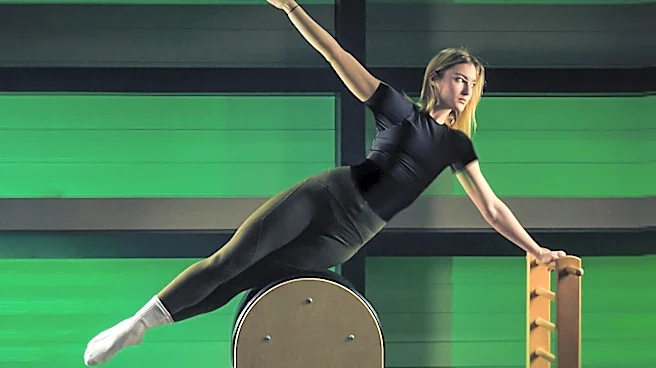
The Pilates reformer, a specialized exercise machine featuring a sliding carriage, adjustable springs, and various attachments, is increasingly being adopted for home fitness and as a key component in athletic cross-training. This equipment provides adjustable resistance
and guided movement, enabling a wide array of exercises including footwork, leg presses, arm pulls, and core strengthening. Unlike mat Pilates, the reformer offers enhanced support and a structured progression from beginner to advanced workouts. Consumers looking to purchase a reformer for home use must consider factors such as carriage and rail quality, spring systems, adjustable footbars, frame stability, and available accessories. The market offers full-length, compact, and mini models, each suited to different space constraints and exercise needs. Additionally, hybrid fitness reformers combine Pilates elements with general strength training features, while tower or clinical reformers offer expanded rehabilitation options. The growing trend sees male athletes, including golfers, surfers, and runners, integrating reformer Pilates into their performance strategies to target deep stabilizing muscles and improve flexibility, which traditional gym workouts often overlook.
Why It's Important?
The rising popularity of Pilates reformers signifies a shift in fitness trends towards more specialized, low-impact, and functional training methods in the U.S. For individuals, particularly those seeking to establish a versatile home gym, reformers offer a comprehensive solution for building strength, balance, and flexibility with reduced joint impact. This trend also highlights a growing awareness among athletes of the importance of core stability, neuromuscular coordination, and full-range-of-motion strength for injury prevention and performance enhancement. The adoption of reformers by male athletes, traditionally drawn to more conventional strength training, indicates a broader acceptance of Pilates as a rigorous and beneficial form of exercise for all fitness levels. This shift could lead to increased demand for reformer equipment, specialized Pilates studios, and certified instructors, impacting the fitness industry by diversifying offerings and attracting a wider demographic. The emphasis on systematic flexibility building and targeting deep stabilizing muscles addresses common limitations of traditional workouts, promoting a more holistic approach to physical well-being.
What's Next?
As the demand for Pilates reformers continues to grow, manufacturers are likely to innovate with more compact, versatile, and user-friendly models for the home market. We can anticipate an increase in specialized Pilates studios catering to diverse clientele, including athletes, and a rise in online instructional content and virtual classes to support home users. The fitness industry may see a greater integration of reformer-based training into broader wellness programs and athletic conditioning regimens. Retailers will likely expand their offerings of reformer accessories and replacement parts, such as springs, straps, and jump boards, to meet consumer needs for customization and maintenance. Furthermore, as more individuals experience the benefits of reformer Pilates, there could be a greater emphasis on personalized training plans and rehabilitation applications, potentially influencing physical therapy practices. The trend suggests a sustained interest in functional fitness, prompting gyms and fitness centers to consider incorporating more reformer equipment to attract and retain members.
Beyond the Headlines
The increasing embrace of Pilates reformers reflects a deeper cultural shift towards mindful movement and holistic health in the U.S. Beyond physical benefits, the controlled and precise nature of reformer exercises encourages a heightened body awareness and mental focus, contributing to overall well-being. This trend challenges traditional notions of fitness, moving beyond purely aesthetic or high-intensity goals to prioritize functional strength, injury prevention, and longevity. The accessibility of reformers for home use also democratizes access to specialized fitness equipment, allowing individuals to integrate advanced training into their daily lives without the need for constant studio attendance. This could lead to a more self-directed approach to fitness, where individuals take greater ownership of their physical health. The integration of Pilates into athletic cross-training also signifies a growing recognition of the interconnectedness of different physical disciplines, promoting a more integrated and intelligent approach to sports performance and physical conditioning.