







What's Happening?
Kaiser Permanente is offering a range of nutrition services aimed at promoting healthy eating habits and managing various health conditions. Among these services is a 'Mediterranean diet class,' a one-hour live virtual session led by a registered dietitian.
This class is specifically designed to help individuals manage cardiovascular risk and inflammation, which are associated with numerous health conditions. The organization also provides other nutrition-focused programs, including weight loss classes, a 'Nutrition boot camp,' and 'Healthy connections' for diabetes prevention, alongside health coaching by phone and one-on-one appointments with registered dietitians.
Why It's Important?
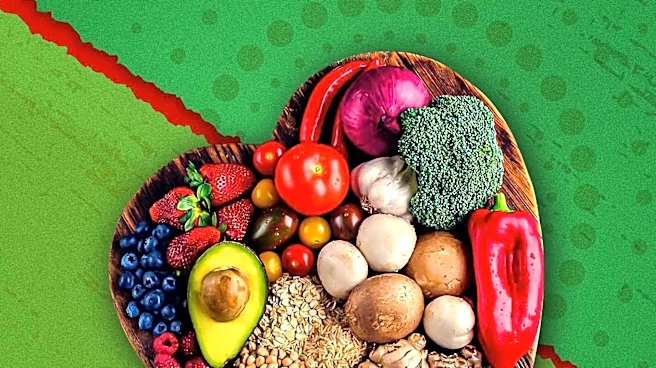
The availability of structured nutrition programs like the Mediterranean diet class from a major healthcare provider like Kaiser Permanente signifies a growing recognition of the role of diet in preventive health and chronic disease management within the U.S. healthcare system. The Mediterranean diet, known for its emphasis on fruits, vegetables, whole grains, fish, and healthy fats, has been widely studied for its benefits in cardiovascular health. By offering accessible virtual classes, Kaiser Permanente is empowering its members to adopt evidence-based dietary patterns, potentially reducing the burden of heart disease and related inflammatory conditions. This initiative can lead to improved public health outcomes and lower healthcare costs by focusing on lifestyle interventions.
What's Next?
Kaiser Permanente's continued emphasis on nutrition services suggests a trend towards integrating dietary education more deeply into standard healthcare offerings. The virtual format of many of these classes makes them accessible to a broader population, potentially increasing participation and impact. Future developments might include expanding the range of specialized diet classes, incorporating more personalized nutrition plans based on individual health data, and further integrating these services with other wellness programs. The success of these programs could also influence other healthcare providers to adopt similar models, further embedding nutrition as a cornerstone of preventive and therapeutic care across the U.S.
Beyond the Headlines
The promotion of the Mediterranean diet by a large healthcare organization like Kaiser Permanente reflects a broader cultural shift towards appreciating traditional, whole-food-based eating patterns over highly processed diets. This move has implications beyond individual health, potentially influencing food policy and agricultural practices by increasing demand for fresh, minimally processed ingredients. It also highlights the evolving role of dietitians and nutritionists as integral members of the healthcare team, moving beyond prescriptive meal plans to offering comprehensive lifestyle coaching. The focus on inflammation management through diet also touches upon the growing understanding of chronic inflammation as a root cause of many modern diseases.