



What's Happening?
Honda North America is reportedly in the final stages of planning a new hybrid vehicle assembly plant in Ohio, representing a potential investment of up to $2.5 billion. This move is expected to expand Honda's North American production capacity by approximately
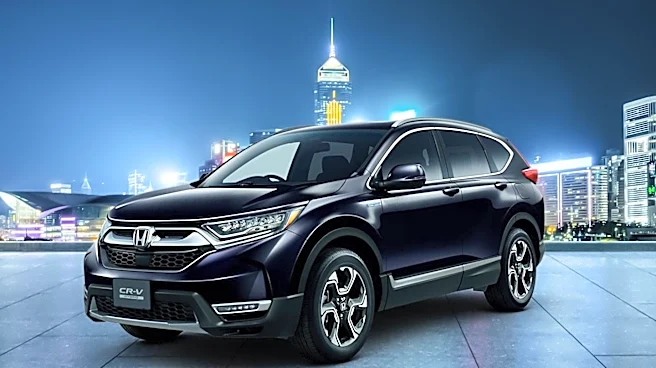
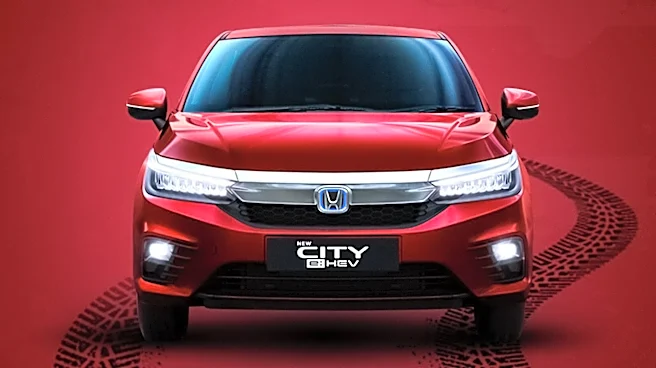
10%, pushing its annual capacity beyond two million vehicles. The proposed factory signifies a strategic shift for Honda, which recently canceled plans for three U.S.-based electric vehicles to reassess spending and future demand. Instead, the company is prioritizing hybrid technology, with plans to introduce 15 next-generation hybrid models globally by 2030, many of which are slated for North American production. Ohio is a natural choice for this expansion, given Honda's long-standing manufacturing presence in the state, dating back to its Marysville plant in 1982. While specific models for the new factory have not been officially announced, reports suggest future large Honda and Acura hybrid SUVs are among the possibilities. The automaker is also focused on developing more cost-efficient and effective next-generation hybrid systems, aiming for a cost reduction of over 30% compared to current technology.
Why It's Important?
This strategic pivot by Honda towards hybrid technology and increased North American production has significant implications for the U.S. automotive industry and the broader economy. The potential $2.5 billion investment and the creation of a new manufacturing facility in Ohio will generate jobs and stimulate economic activity in the region. It also underscores a growing trend among automakers to diversify their electrification strategies, acknowledging that a full transition to battery-electric vehicles may face challenges in the near term. By focusing on hybrids, Honda aims to meet consumer demand for more fuel-efficient vehicles while maintaining a pathway to electrification. This move could also enhance Honda's control over its North American supply chain, reducing reliance on international components and mitigating potential disruptions. For consumers, it means a wider availability of hybrid options, potentially at lower costs due to Honda's focus on efficiency improvements. The decision to build in Ohio further solidifies the state's role as a key hub for automotive manufacturing in the U.S.
What's Next?
While Honda has not yet officially greenlit the project, reports indicate that production at the new Ohio hybrid factory could commence by 2030 if plans proceed as expected. The company is currently engaged in negotiations, including discussions regarding government incentives, which will be crucial in finalizing the investment. Following an official announcement, the next steps would involve site preparation, construction, and the hiring and training of a new workforce. Honda will also need to confirm the specific models to be produced at the facility, which could influence its supply chain and component sourcing strategies. The success of this hybrid-focused approach will likely be closely watched by other automakers as they navigate the evolving landscape of vehicle electrification. Additionally, Honda's commitment to developing more affordable and efficient hybrid systems suggests that further technological advancements and product announcements in this segment are likely in the coming years.
Beyond the Headlines
Honda's decision to prioritize hybrid vehicle production in North America reflects a broader re-evaluation within the automotive industry regarding the pace and feasibility of a complete transition to electric vehicles. This shift highlights the complex interplay of consumer demand, technological readiness, infrastructure development, and economic factors influencing automakers' long-term strategies. While the environmental benefits of fully electric vehicles are clear, the practical challenges of widespread adoption, such as charging infrastructure limitations and higher upfront costs, are leading companies like Honda to invest heavily in hybrid solutions as a more immediate and accessible step towards reducing carbon emissions. This approach could also be seen as a hedge against potential fluctuations in battery material costs and supply chain vulnerabilities associated with purely electric vehicle production. Furthermore, the emphasis on local production in Ohio strengthens regional economies and reinforces the importance of domestic manufacturing capabilities in a globalized industry, potentially influencing future trade policies and industrial development initiatives.