






What's Happening?
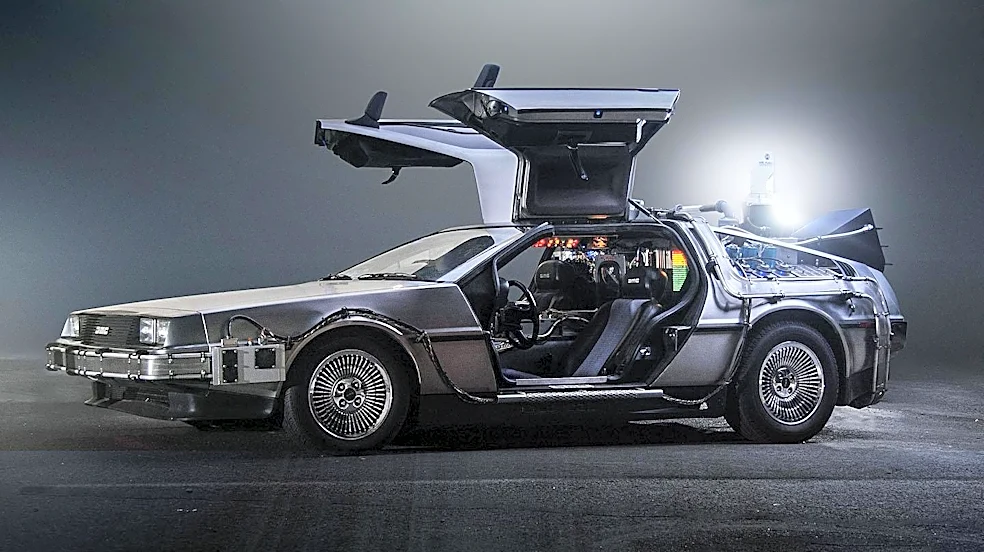
The 'Back to the Future' film franchise, a cornerstone of popular culture, saw its three installments released between 1985 and 1990. The original film, directed by Robert Zemeckis and starring Michael J. Fox, premiered on July 3, 1985, becoming the highest-grossing
film of that year in the United States. Its success led to two sequels: 'Back to the Future Part II,' released on November 22, 1989, which explored a futuristic 2015, and 'Back to the Future Part III,' which concluded the saga on May 25, 1990, with a Western-themed setting. The rapid succession of the sequels, particularly the less than a year gap between the second and third films, maintained the franchise's momentum and solidified its place in pop culture.
Why It's Important?
The 'Back to the Future' trilogy's release timeline and enduring popularity are significant for the U.S. entertainment industry and cultural landscape. The films' blend of science fiction, comedy, and heartfelt drama resonated widely, establishing Michael J. Fox as a leading actor and showcasing innovative visual effects for their time. The franchise's commercial and critical success demonstrated the power of compelling storytelling and character development in creating a lasting cultural institution. Its influence extends beyond the box office, inspiring animated series, video games, and theme park attractions, and shaping subsequent time-travel narratives in film and television. The films' ability to be discovered by new generations underscores their timeless appeal and their role in defining a particular era of American cinema.
What's Next?
While the original film trilogy concluded in 1990, the 'Back to the Future' franchise continues to have a lasting impact. Its themes of destiny, family, and the consequences of altering the past remain relevant, ensuring its continued viewership and discussion. The films are frequently re-aired, streamed, and referenced in popular culture, maintaining their presence for new audiences. Although there are no immediate plans for new cinematic installments, the enduring legacy of the franchise suggests that its influence will persist in various forms, from fan communities to academic studies of film and culture. The precise release dates serve as markers of a cultural phenomenon that continues to shape perceptions of science fiction and cinematic storytelling.
Beyond the Headlines
The 'Back to the Future' trilogy's enduring appeal goes beyond its entertainment value, touching on deeper cultural and philosophical questions. The films' exploration of time travel and its paradoxes subtly encourages viewers to consider the impact of choices and the interconnectedness of past, present, and future. The depiction of different eras, particularly the idealized 1950s and the speculative 2015, offers a nostalgic look at American history and a playful commentary on technological progress and societal change. The franchise also subtly addresses themes of identity and belonging, as Marty McFly navigates different timelines while trying to preserve his family's existence. This blend of adventure, humor, and thoughtful introspection contributes to its status as a beloved and culturally significant series.