




What's Happening?
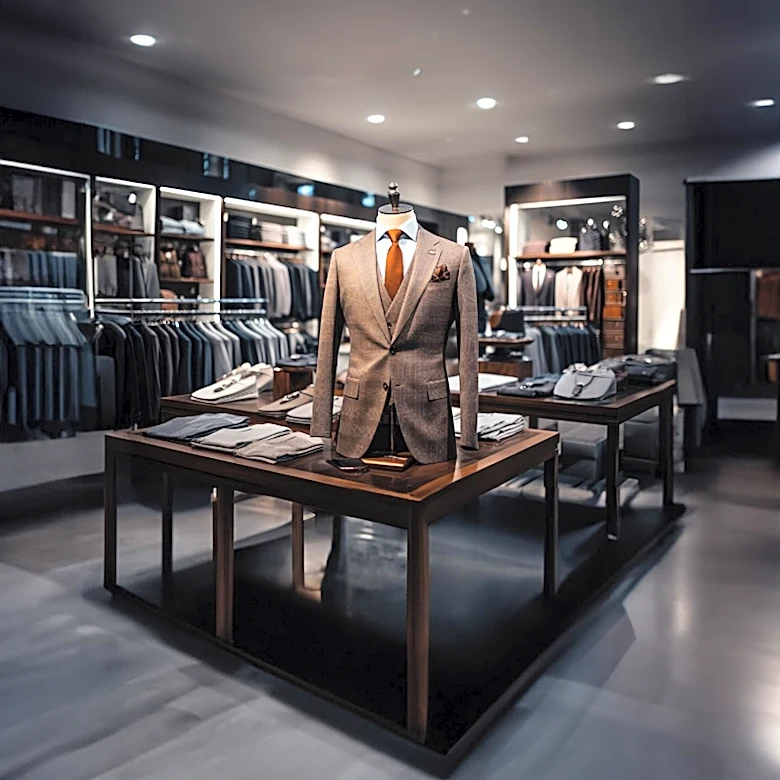
Sunny & Olive Co., a consignment store in Milton, Wisconsin, is gaining recognition for its commitment to size- and gender-inclusive fashion. The store, which recently opened a second location in Janesville, Wisconsin, offers a diverse range of clothing
items, including unique pieces like a Farm Rio top and teal palazzo pants, as highlighted by a recent customer experience. The store operates on a consignment model, allowing individuals to bring in clothes to sell and browse for new items. This approach fosters a community-oriented shopping experience, with customers often engaging in impromptu fashion shows and planning return visits. Sunny & Olive Co. also hosts monthly community events, further establishing itself as a vibrant and inclusive space within its local communities.
Why It's Important?
The emergence and expansion of stores like Sunny & Olive Co. signify a growing demand for more inclusive retail environments in the U.S. fashion industry. This trend challenges traditional fashion norms that often cater to narrow size ranges and gender-specific styles, offering alternatives that prioritize diversity and individual expression. For consumers, it provides accessible options for finding clothing that fits various body types and gender identities, promoting self-acceptance and confidence. Economically, these businesses contribute to the circular economy by promoting consignment and secondhand shopping, reducing textile waste and offering more sustainable fashion choices. Socially, they create welcoming spaces that celebrate individuality and community, fostering a sense of belonging for those who may feel marginalized by mainstream fashion. This movement reflects a broader cultural shift towards greater inclusivity and sustainability in consumer practices.
What's Next?
The continued success and expansion of Sunny & Olive Co. suggest a potential for similar inclusive consignment models to proliferate across the U.S. retail landscape. As consumer awareness and demand for ethical and inclusive fashion grow, more entrepreneurs may be inspired to adopt similar business practices. This could lead to a wider availability of size- and gender-inclusive clothing options, both in physical stores and online. The emphasis on community events and sustainable practices could also become a benchmark for new retail ventures, fostering a more conscious and connected shopping experience. Furthermore, the visibility of such stores may encourage larger fashion brands to re-evaluate their own inclusivity policies, potentially leading to broader industry changes in sizing, marketing, and design.
Beyond the Headlines
The rise of gender-inclusive vintage fashion, exemplified by stores like Sunny & Olive Co., reflects a deeper cultural shift towards challenging traditional gender binaries and promoting fluid self-expression through clothing. This movement goes beyond mere aesthetics, touching upon ethical considerations of sustainability and the social impact of fashion. By embracing consignment and diverse sizing, these businesses are not just selling clothes; they are fostering a more conscious consumer culture that values individuality, environmental responsibility, and community engagement. This trend also highlights the power of local businesses to drive social change and create spaces where everyone feels represented and valued, contributing to a more equitable and inclusive society.