



What's Happening?
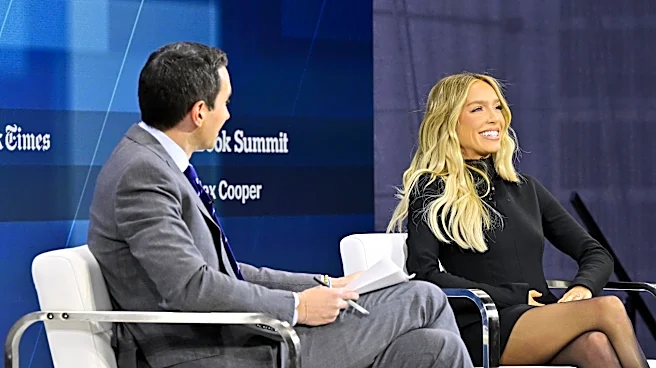
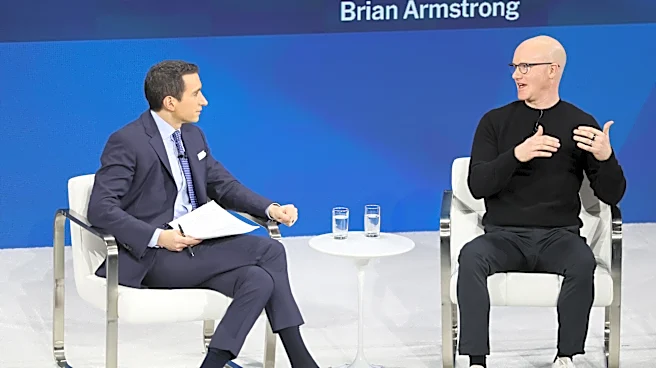
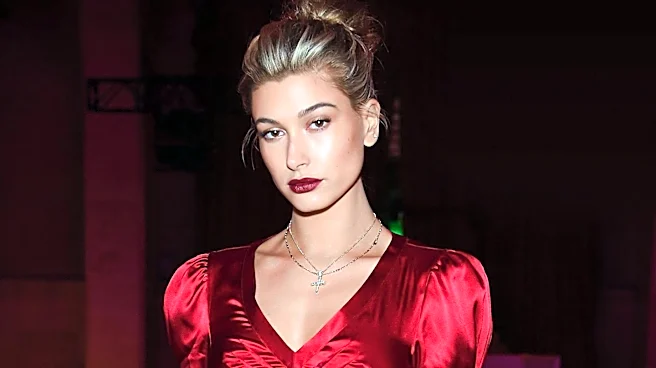
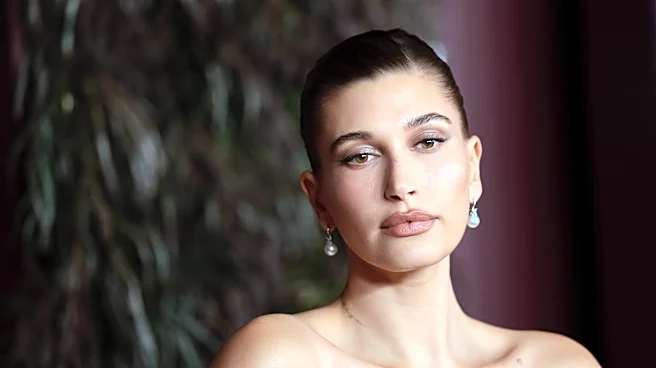
An interview conducted by journalist Andrew Ross Sorkin with Hailey Bieber regarding her beauty brand, Rhode, has ignited public discussion concerning modern journalism and the expectations placed on business founders. The interview, which featured Bieber in her capacity
as Founder, Chief Creative Officer (CCO), and Head of Innovation at Rhode, as well as Strategic Adviser to e.l.f. Beauty, led to public comments suggesting Sorkin was overly harsh. Critics of the interview's reception argue that Bieber's supporters perceived the questioning as an attack, rather than a professional journalistic inquiry. The discussion highlights a perceived shift in public perception, where rigorous questioning is sometimes viewed negatively, and the value of editorial integrity in journalism is being questioned. The journalist, who has been writing for The New York Times since 1995, is noted for his extensive experience.
Why It's Important?
This event underscores a broader concern within the U.S. media landscape regarding the evolving standards of journalism and public engagement. The reaction to Sorkin's interview with Hailey Bieber suggests a potential decline in the public's appreciation for traditional journalistic practices, where challenging questions are integral to uncovering deeper insights. For businesses, particularly those with celebrity founders, it raises questions about the level of business knowledge expected from individuals holding executive titles. The incident could influence how public figures and their teams prepare for media appearances, potentially leading to more controlled narratives to avoid perceived negative portrayals. It also highlights a generational divide in how media interactions are interpreted, with implications for how news is consumed and trusted by different demographics.
What's Next?
The ongoing debate may prompt media organizations to re-evaluate their approach to interviews with public figures, especially those in the business sector. There could be increased scrutiny on the balance between celebrity promotion and substantive business reporting. For public figures and their brands, this incident might lead to a more strategic approach to media engagement, potentially emphasizing the roles of spokespersons or PR agencies to articulate business strategies. The discussion could also encourage a renewed focus on media literacy among the public, fostering a better understanding of journalistic ethics and the purpose of in-depth interviews. This event may also influence how business acumen is presented and perceived in the context of celebrity-founded ventures.
Beyond the Headlines
The controversy surrounding the interview touches upon deeper cultural shifts, particularly the blurring lines between celebrity influence and genuine business leadership. It raises ethical questions about the public's expectation for founders to possess deep strategic knowledge versus the reality of team-based business development. The incident also reflects a broader societal trend where public figures, especially young women, are often defended against perceived attacks, sometimes at the expense of objective journalistic inquiry. This could lead to a re-evaluation of how 'seriousness' and 'credibility' are defined in the modern business world, especially for brands leveraging celebrity endorsements. The long-term implication could be a further erosion of trust in traditional media if the public continues to prioritize perceived fairness over rigorous reporting.