




What's Happening?
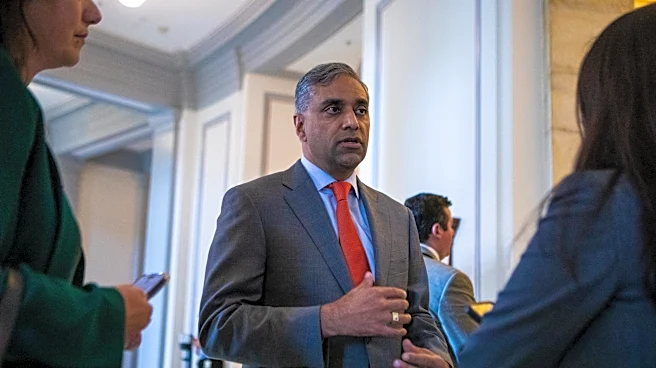
Hewlett Packard Enterprise (HPE), along with Dell, Lenovo, and Supermicro, are demanding significantly higher payments—between 25% and 45%—for Nvidia-based AI servers at delivery, despite previously signed contracts. This repricing is attributed to severe
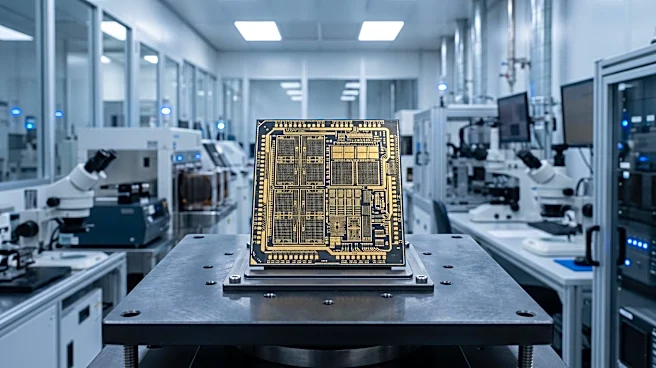
shortages and escalating costs of components like memory and circuit boards. HPE CEO Antonio Neri has stated that the company has amended its quoting terms to include a right to reprice existing orders if commodity costs increase between the time of quoting and shipment. Neri anticipates that elevated memory and storage prices will continue well into 2027. JPMorgan reports memory cost inflation exceeding 400% since early 2024, with server DRAM contract prices rising approximately 90% in Q1 2026 alone. Memory now constitutes over half the material cost of a server, according to Neri. A global circuit-board shortage is also expected to persist until 2028, further contributing to the price hikes.
Why It's Important?
This trend of repricing signed contracts has significant implications for businesses investing in AI infrastructure, particularly smaller buyers. While hyperscale companies might have the capital flexibility to absorb these unexpected cost increases, smaller enterprises that have financed GPU capacity based on fixed customer pricing now face substantial delivery-time component risk. This shift in pricing strategy by major server vendors introduces considerable financial uncertainty and can disrupt budget planning for AI initiatives. The increased costs could slow down AI adoption for some businesses or force them to re-evaluate their investment strategies. The situation also highlights the intense supply-side pressures within the AI infrastructure market, where demand for high-performance components is outstripping supply, leading to volatile pricing and contractual disputes, as exemplified by XTX's lawsuit against Dell.
What's Next?
The ongoing component shortages and price escalations are expected to continue, with HPE CEO Antonio Neri projecting elevated memory and storage prices through 2027 and circuit-board shortages potentially lasting until 2028. This suggests that customers ordering AI servers will likely face continued price volatility and the possibility of repricing clauses becoming standard in contracts. Businesses planning AI infrastructure investments will need to factor in these potential cost increases and contractual changes, possibly seeking more flexible financing options or negotiating terms that mitigate repricing risks. The legal precedent set by cases like XTX's lawsuit against Dell could also influence future contract negotiations and dispute resolutions in the industry. Furthermore, server manufacturers may explore strategies to secure component supplies or diversify their supply chains to stabilize costs and offer more predictable pricing to customers.
Beyond the Headlines
The repricing of signed contracts in the AI server market points to a deeper systemic issue within the rapidly expanding AI industry: the fragility of its supply chain. The intense demand for specialized components like GPUs, high-bandwidth memory, and advanced circuit boards has created a seller's market, allowing manufacturers to dictate terms that shift risk onto buyers. This situation could lead to a two-tiered AI development landscape, where well-capitalized tech giants can secure necessary infrastructure, while smaller innovators struggle with unpredictable costs and access. Ethically, the practice of repricing after a contract is signed raises questions about fairness and contractual integrity, potentially eroding trust between vendors and customers. Legally, such clauses will likely face increased scrutiny, as seen with the XTX v. Dell case, which could shape future commercial law regarding commodity price fluctuations in long-term technology contracts. This dynamic underscores the need for greater transparency and stability in the AI supply chain to foster equitable growth across the industry.