





What's Happening?
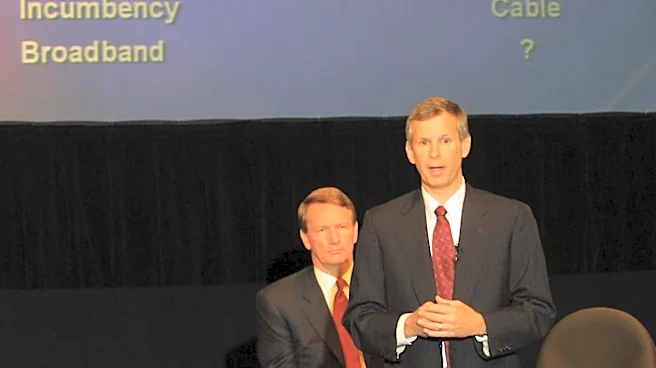
Mark Lazarus, CEO of Versant, recently participated in a podcast discussion regarding the challenges faced by Comcast's TV spinoffs and the broader shift in the entertainment industry towards streaming. The conversation explored why these spinoffs have
not acquired struggling cable networks, likening the situation to a dramatic, self-destructive scenario. Lazarus's involvement highlights his perspective on the strategic decisions and market dynamics influencing traditional television broadcasters as they navigate a rapidly evolving media landscape. His company, Versant, is actively involved in this transition, suggesting a focus on adapting to new consumption patterns and business models within the entertainment sector.
Why It's Important?
This discussion is important because it sheds light on the significant pressures and strategic dilemmas confronting traditional media companies in the U.S. The decline of linear television and the rise of streaming services represent a fundamental shift in how content is consumed, impacting advertising revenues, distribution models, and content production strategies. For companies like Comcast, decisions about asset acquisition, divestment, and investment in new technologies are critical for long-term survival and growth. Mark Lazarus's insights as CEO of Versant, a company engaged in this transition, offer a valuable perspective on the economic and operational challenges, as well as potential opportunities, for stakeholders in the U.S. entertainment industry. The outcome of these strategic shifts will determine the future landscape of media consumption and content delivery.
What's Next?
The ongoing transition from traditional cable television to streaming is expected to continue, with media companies likely to explore various strategies to adapt. This could include further consolidation within the streaming market, increased investment in original content, and the development of new monetization models beyond traditional advertising and subscription fees. Companies like Comcast and their spinoffs will need to make critical decisions regarding their portfolio of assets, potentially leading to more acquisitions, partnerships, or divestitures. The insights shared by industry leaders like Mark Lazarus will likely inform these strategic moves as the industry seeks sustainable growth in a highly competitive and evolving environment. Consumers can anticipate a continued diversification of content offerings and delivery platforms.
Beyond the Headlines
Beyond the immediate business strategies, the shift from cable to streaming has broader implications for media diversity, content accessibility, and the future of local news and niche programming. As large media conglomerates focus on scalable streaming platforms, there's a risk that smaller, less profitable content types might struggle to find distribution or funding. This could lead to a more homogenized media landscape, impacting cultural discourse and the representation of diverse voices. Furthermore, the increasing fragmentation of content across multiple streaming services raises questions about consumer affordability and the potential for 'subscription fatigue.' The role of companies like Versant in facilitating this transition will be crucial in shaping not just the economic, but also the cultural and social impact of media consumption in the U.S.