



What's Happening?
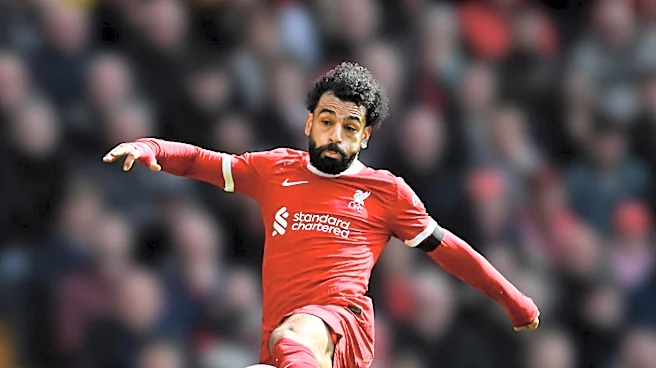
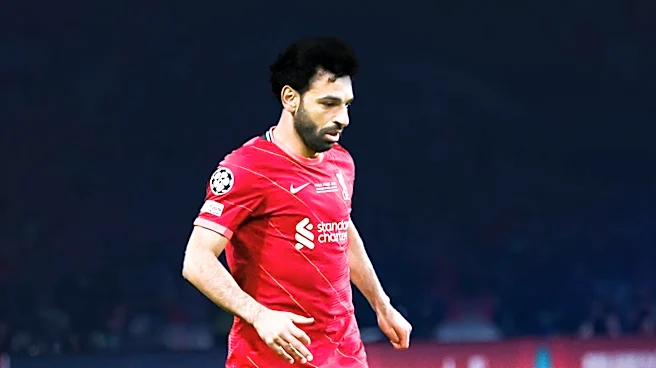
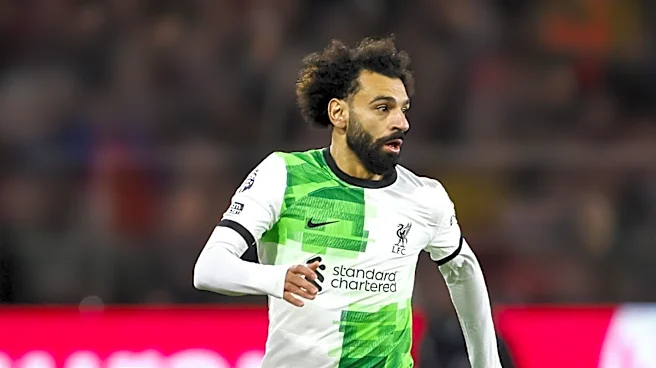
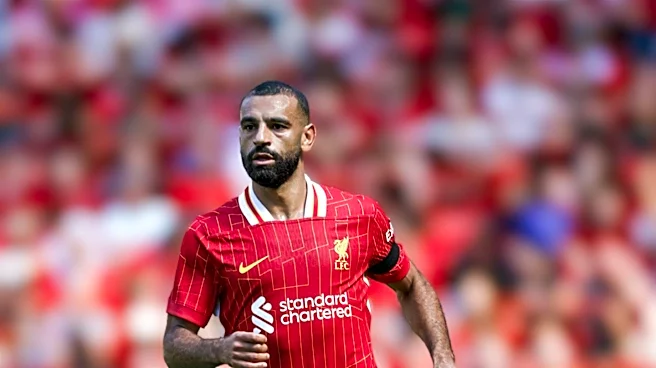
Mohamed Salah, the renowned Egyptian footballer, is reportedly considering a significant offer from Turkish club Trabzonspor. This development follows a breakdown in negotiations with another Turkish club, Besiktas, due to commission demands from Salah's
adviser. Trabzonspor has proposed a two-year contract worth €17 million annually, which Salah is currently evaluating. The move to Trabzonspor is gaining traction as the club aims to re-establish itself at the top of the Turkish Süper Lig, having last won the league title in 2022. Salah, who recently left Liverpool after terminating his contract a year early, is exploring new opportunities and has been without a club since July 1. The offer from Trabzonspor does not require a transfer fee, making it an attractive option for both parties.
Why It's Important?
Salah's potential move to Trabzonspor is significant for several reasons. Firstly, it highlights the competitive nature of Turkish football clubs in attracting top international talent, which could enhance the league's profile and competitiveness. For Trabzonspor, acquiring a player of Salah's caliber could significantly boost their chances of challenging for the league title and competing in European tournaments. This move also underscores the financial dynamics in football, where lucrative contracts and commission negotiations play a crucial role in player transfers. For Salah, this represents an opportunity to continue his career in a new environment, potentially influencing his legacy and marketability in the region.
What's Next?
If Salah accepts Trabzonspor's offer, the club will likely focus on integrating him into their squad to maximize his impact on the field. This could involve strategic planning around team dynamics and marketing efforts to capitalize on Salah's global fan base. Meanwhile, Besiktas may need to reassess their negotiation strategies and explore alternative options to strengthen their squad. The outcome of these negotiations could also influence other clubs in the region, prompting them to adjust their approaches to player acquisitions and contract negotiations.