




What's Happening?
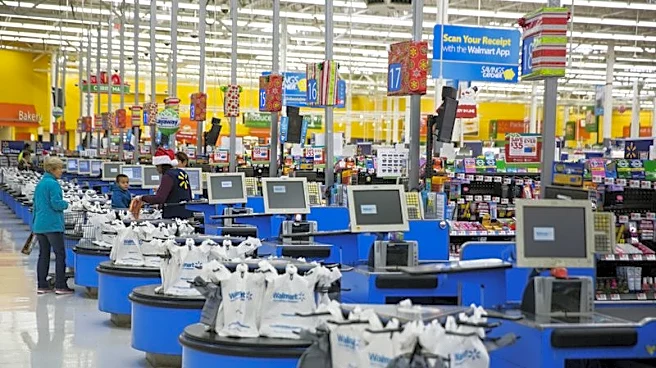
Kevin O'Leary, a prominent investor and television personality, highlighted the impact of inflation on all consumers, including the wealthy, by sharing his personal experience of bargain hunting for paper towels at Walmart. In an Instagram post from August
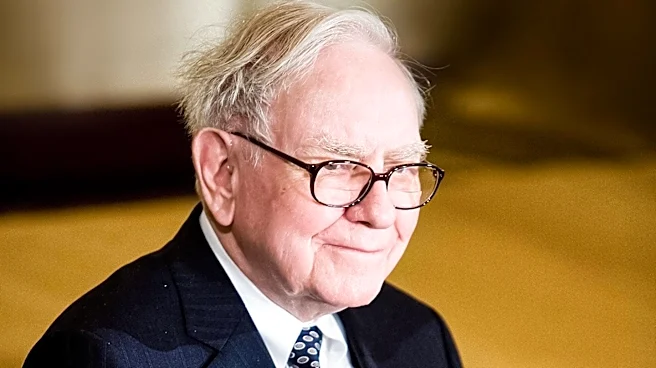
19, O'Leary stated, 'Inflation affects all of us. Saving dough is the name of the game. That means focusing on value and always looking for great deals.' This sentiment is echoed by other affluent individuals like Warren Buffett, who still resides in the same Omaha home purchased in 1958, and the late IKEA founder Ingvar Kamprad, known for buying used clothes and driving an older car. The Bureau of Labor Statistics' September Consumer Price Index report indicates that overall consumer prices have risen 3.7% over the past 12 months, with food prices up 2.5% and energy costs, particularly gasoline, increasing significantly. These figures underscore the ongoing financial pressure on American households, with a typical 84-item grocery and household essential trip costing 3.5% more than a year ago.
Why It's Important?
O'Leary's public display of frugality among the wealthy underscores a broader economic reality: inflation's pervasive impact across all income levels in the U.S. This behavior from high-net-worth individuals serves as a visible reminder to the general public about the importance of value and cost-saving measures. For American consumers, the rising cost of everyday necessities, as evidenced by the Consumer Price Index, directly affects household budgets and purchasing power. The increase in food and energy prices, in particular, disproportionately impacts lower and middle-income families, who allocate a larger percentage of their income to these essential goods. The trend of even the wealthiest seeking deals highlights a shift in consumer mindset, potentially leading to increased demand for value-oriented products and services across various industries. This could influence retail strategies, product development, and marketing efforts as companies adapt to a more cost-conscious consumer base.
What's Next?
In response to persistent inflation, consumers are likely to continue adopting more disciplined spending habits, mirroring the frugality demonstrated by figures like Kevin O'Leary. This could lead to a sustained focus on budgeting, tracking expenses, and seeking out deals for everyday purchases. Financial tools and services that assist with expense tracking, subscription management, and automated savings are expected to see increased adoption as individuals look for ways to optimize their spending. Furthermore, the emphasis on value could drive changes in retail, with a potential increase in demand for private-label brands and discount retailers. Businesses may need to adjust their pricing strategies and product offerings to remain competitive in an environment where consumers are actively seeking to maximize every dollar. The ongoing economic data, particularly future Consumer Price Index reports, will be crucial in determining whether these frugal behaviors become long-term trends or temporary adjustments.
Beyond the Headlines
The public embrace of frugality by wealthy individuals like Kevin O'Leary carries significant cultural and psychological implications beyond immediate economic impacts. It challenges the perception that wealth insulates individuals entirely from economic pressures, potentially fostering a sense of shared experience regarding inflation. This narrative can influence societal attitudes towards consumption, encouraging a more mindful approach to spending across different socioeconomic strata. Ethically, it raises questions about the responsibility of public figures to model financially prudent behavior, especially during periods of economic strain. Legally, sustained consumer demand for value could prompt regulatory scrutiny on pricing practices and corporate profits, particularly in essential goods sectors. Over the long term, this shift could contribute to a broader cultural re-evaluation of consumerism, emphasizing sustainability and resourcefulness over conspicuous consumption, thereby influencing design, production, and marketing across various industries.