




What's Happening?
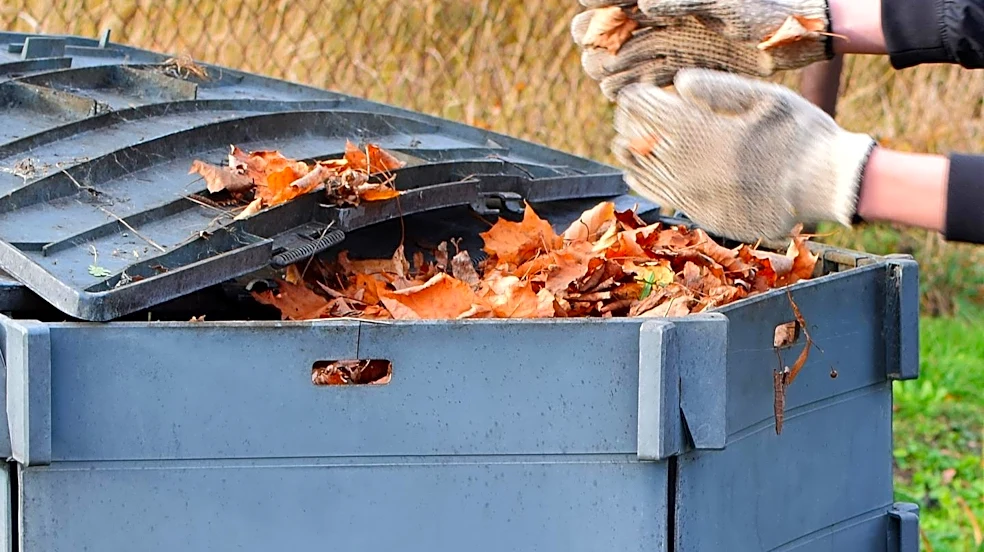
Planet Natural is recommending that gardeners create a "carbon bank" using dry fall leaves to support winter composting efforts. This practice involves collecting and storing dry leaves to use as a carbon-rich material that can be added to compost piles
throughout the colder months. The primary purpose of these dry leaves is to absorb excess moisture and create air spaces within the compost, counteracting the wet and potentially odorous conditions that can arise from a continuous supply of food scraps without sufficient dry material. The advice emphasizes that the goal is not a perfect laboratory formula but rather a practical approach to maintaining a balanced compost pile.
Why It's Important?
This guidance is important for home gardeners and environmental sustainability. By providing a readily available source of 'brown' material, it helps prevent compost piles from becoming compacted, wet, and anaerobic, which can lead to unpleasant odors and slow decomposition. This method encourages year-round composting, reducing the amount of organic waste sent to landfills, which in turn lessens methane emissions. Furthermore, it promotes resourcefulness by utilizing readily available natural materials like fallen leaves, turning what might be considered yard waste into a valuable soil amendment. This practice contributes to healthier soil, reduces the need for synthetic fertilizers, and supports local ecosystems.
What's Next?
Gardeners are encouraged to collect dry leaves before they disappear and store them in a way that keeps them dry and usable throughout the winter. This could involve breathable bags, lidded bins, or covered piles. The recommendation is to use a "one bucket habit," adding a bucket of dry leaves for every bucket of food scraps to maintain balance. If the compost pile appears wet, compacted, or smells unpleasant, more dry leaves should be added. Conversely, if it's too dry, water or wetter materials can be introduced. The focus is on continuous adjustment based on the compost's appearance and smell, ensuring a manageable and effective composting process even when decomposition slows in cold weather.
Beyond the Headlines
Beyond the practical aspects of winter composting, this advice subtly promotes a deeper connection to natural cycles and waste reduction. It encourages individuals to view fallen leaves not as waste to be discarded but as a valuable resource. This shift in perspective can foster greater environmental awareness and a more holistic approach to gardening and household waste management. The concept of a "carbon bank" also highlights the importance of balancing carbon and nitrogen in organic matter, a fundamental principle of soil health. This practice, while seemingly simple, contributes to a larger movement towards sustainable living, reducing reliance on external inputs, and enhancing the resilience of local ecosystems.