

What's Happening?
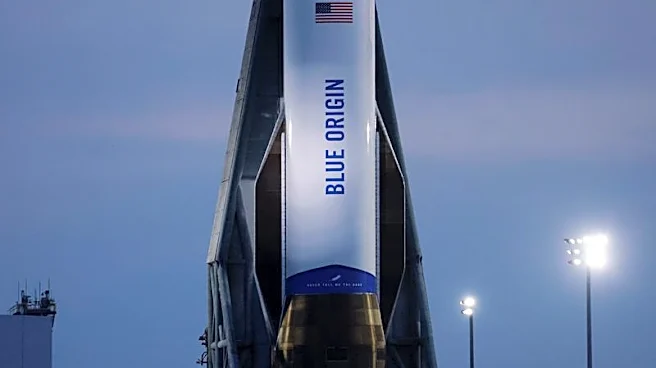
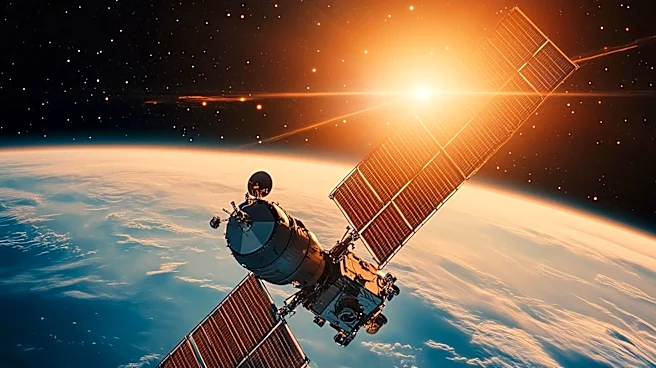
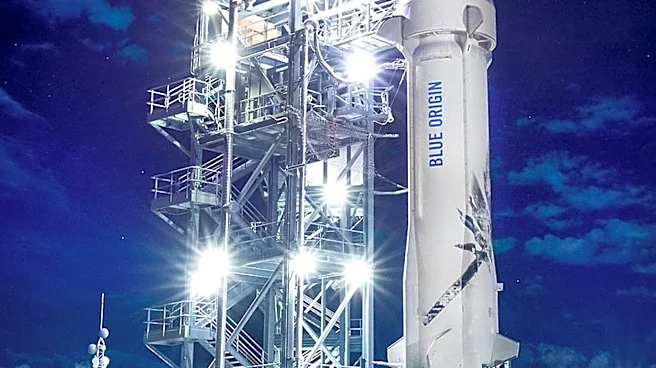
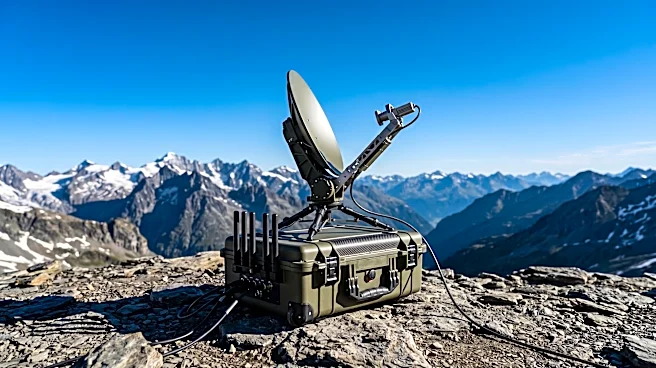
Blue Origin, founded by Jeff Bezos, is actively developing TeraWave, a satellite communications network designed to deliver high-speed data connectivity globally. This network aims to provide symmetrical data speeds of up to 6 Tbps, catering to enterprise,
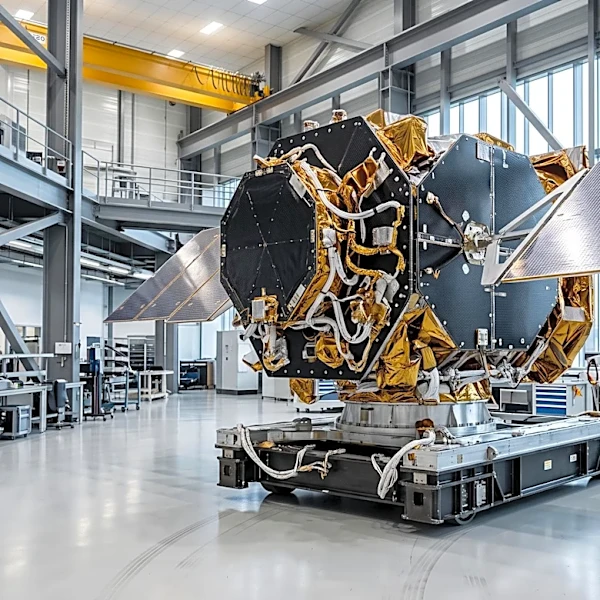
data center, and government users who require reliable connectivity for critical operations. The company's broader vision is to enable millions of people to live and work in space for the benefit of Earth, focusing on developing reusable, safe, and low-cost space vehicles and systems. Blue Origin is currently seeking a Director, Spacecraft Flight Software, to lead the team responsible for designing, building, verifying, and maintaining the onboard software for the TeraWave spacecraft, encompassing flight software, command and data handling, fault management, autonomy, and guidance, navigation, and control (GNC) software. This role is crucial for the integration, launch, commissioning, and on-orbit operations of the satellite constellation.
Why It's Important?
The development of Blue Origin's TeraWave network signifies a significant advancement in global connectivity infrastructure, with potential impacts across various U.S. industries and government sectors. By offering ultra-high-speed, reliable satellite internet, TeraWave could revolutionize data transfer for remote operations, enhance the capabilities of data centers, and provide critical communication links for government and defense applications. This initiative supports the U.S. strategic interest in maintaining leadership in space technology and commercial space ventures. Businesses requiring robust and secure global communication, such as those in logistics, finance, and technology, stand to gain from improved connectivity. Furthermore, the project's emphasis on reusable launch vehicles and low-cost space systems could drive down the expenses associated with space access, fostering innovation and expanding opportunities for other space-related enterprises. The creation of specialized roles, like the Director of Spacecraft Flight Software, also highlights the demand for highly skilled technical talent within the U.S. aerospace sector.
What's Next?
Blue Origin will continue to build out its TeraWave spacecraft flight software organization, with ongoing recruitment for key leadership and engineering roles. The immediate next steps involve finalizing the vehicle design and progressing through the software development life cycle, including architecture definition, application development, fault management, autonomy, and software testing. The company plans to implement and verify GNC flight software and establish a modern software factory with automation, continuous integration, and AI-assisted test generation. Collaboration with TeraWave Vehicle Platforms and Networking teams will be essential for shared platform infrastructure, secure fleet software updates, and fleet telemetry. The ultimate goal is to achieve flight software qualification for launch and commissioning, followed by the safe and efficient operation of a large satellite constellation, with the capability for on-orbit software updates.
Beyond the Headlines
The TeraWave project by Blue Origin extends beyond mere technological advancement; it represents a foundational shift in how global data infrastructure could operate. The vision of 'millions of people living and working in space' underscores a long-term societal and economic transformation, where space becomes an integral part of human activity, not just exploration. The ethical implications of such widespread space-based infrastructure include considerations of space debris, orbital traffic management, and equitable access to these advanced services. Legally, the deployment of vast satellite constellations will necessitate international cooperation and the development of new regulatory frameworks to govern space-based communications and resource utilization. Culturally, the success of projects like TeraWave could further normalize the idea of space as a domain for commerce and daily life, potentially inspiring future generations towards careers in STEM fields and fostering a renewed sense of human ambition in space.