
What's Happening?
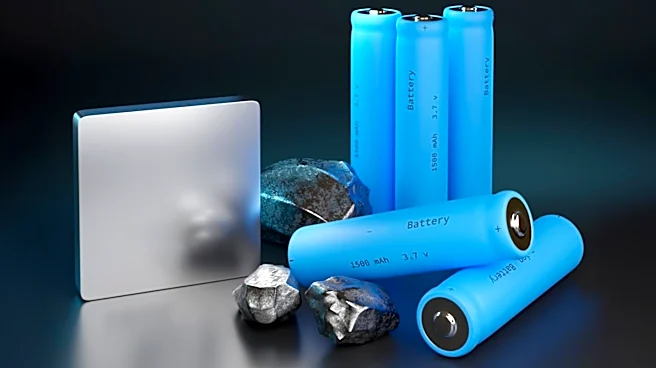
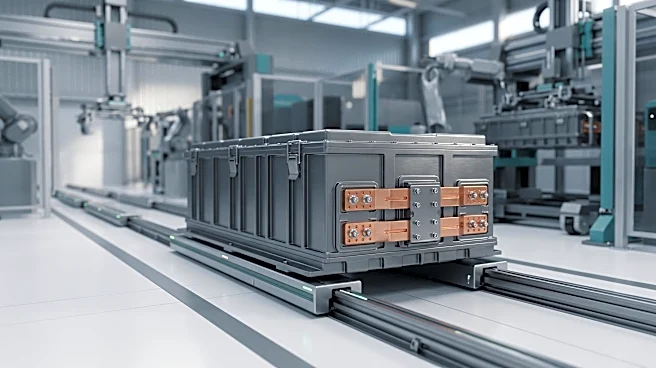
CATL, a leading battery manufacturer, has unveiled its new 100 kWh 'Chocolate' battery, designed for rapid swapping in electric vehicles (EVs). This battery can be physically removed and replaced in approximately
99 seconds, allowing drivers to avoid traditional charging times. The 'Chocolate' battery offers a CLTC range of 435 miles, translating to about 342 real-world miles, and supports peak discharge of 600 kW. CATL is expanding its battery swapping infrastructure, with plans to increase its current 2,500 stations in China to 6,000 passenger-specific stations by the end of 2027. The system is managed by a 'Chocolate Battery Butler' cloud system that predicts arrival times and schedules battery availability. This technology aims to commoditize EV batteries, making them a utility rather than a permanent component of the vehicle. The battery also supports DC fast charging, adding 249 miles of range in 10 minutes, and is designed to be compatible with future battery chemistries like sodium-ion or liquid-solid cells.
Why It's Important?
The introduction of CATL's 'Chocolate' battery and its associated swapping network could significantly disrupt the electric vehicle market by addressing key consumer concerns related to range anxiety and charging times. By turning the battery into a swappable utility, CATL is challenging the traditional ownership model where the battery is a fixed, depreciating asset. This approach could make EVs more appealing to a broader consumer base by offering convenience comparable to gasoline refueling. For automakers, this commoditization of batteries could reduce their ability to differentiate vehicles based on battery specifications, potentially shifting competition towards other features. Companies like BAIC and Hyundai are already integrating these swappable blocks, indicating a potential shift in industry standards. The long-term warranty and future-proofing for new battery chemistries also offer a compelling value proposition, potentially extending the lifespan and relevance of EV platforms.
What's Next?
CATL plans to significantly expand its battery swapping infrastructure, aiming for 6,000 passenger-specific stations in China by the end of 2027. The company is also looking to expand into Europe through a joint venture called Swaptopus with British energy firm Octopus Energy, although significant grid infrastructure upgrades would be necessary for widespread adoption in Europe. The success of this model will depend on the rapid deployment of swapping stations and the willingness of more automakers to adopt CATL's standardized battery packs. The ongoing integration of this technology by major manufacturers like Hyundai suggests a growing acceptance of battery swapping as a viable alternative to traditional charging. Future developments will likely include further advancements in battery technology that can be seamlessly integrated into the existing swapping ecosystem.
Beyond the Headlines
The 'Chocolate' battery system introduces a paradigm shift in EV ownership, moving from a fixed, high-cost component to a service-based utility. This could fundamentally alter consumer psychology regarding EV purchases, reducing concerns about battery degradation and replacement costs. The ability to upgrade battery technology without replacing the entire vehicle could also promote sustainability by extending vehicle lifespans and reducing electronic waste. However, the widespread adoption of this model faces significant infrastructure challenges, particularly in regions with less developed grid capabilities. The standardization of battery packs, while beneficial for swapping, could also lead to reduced innovation in battery design by individual automakers. The ethical implications of 'renting' a high-performance component and the potential for data collection through the 'Chocolate Battery Butler' cloud system also warrant consideration.