





What's Happening?
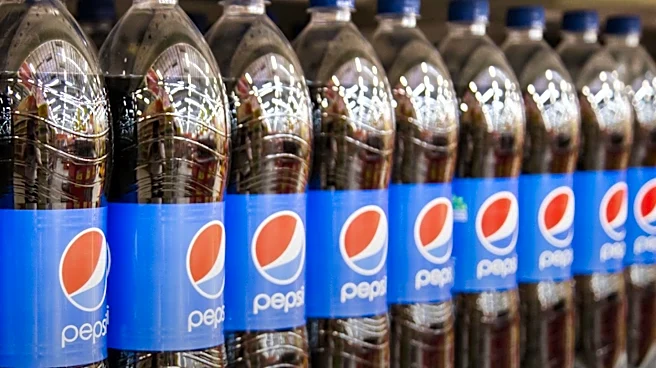
PepsiCo CEO Ramon Laguarta has voiced his dissatisfaction with the performance of the company's North America soft drinks division. This statement was made during PepsiCo's third-quarter earnings call. Despite these concerns, PepsiCo recently increased
its quarterly dividend by 4% to $1.48 per share on November 18. The company reported a 3.1% organic revenue growth and a 2% rise in core EPS to $2.34 for the third quarter. However, management has revised its fiscal 2026 core EPS growth guidance downwards, from a low end of 5%-7% to 2.5%-3.5%, attributing this adjustment to climbing input costs. Over the past twelve months ending September 16, PepsiCo's dividends accounted for 75% of its free cash flow, totaling $7.88 billion out of $10.47 billion. While this coverage is considered manageable, the previous two fiscal years saw tighter margins, with dividends nearly consuming all free cash flow in fiscal 2025. Operating cash flow has shown improvement in fiscal 2026, providing more financial flexibility.
Why It's Important?
The CEO's public acknowledgment of underperformance in the North America soft drinks market signals potential strategic shifts or increased focus on this segment for PepsiCo. This is significant for investors, as the soft drinks division is a core component of PepsiCo's extensive portfolio. The dividend increase, despite the lowered EPS growth guidance, reflects the company's commitment to returning value to shareholders, which can be attractive to income-focused investors. However, the reduced earnings outlook and rising input costs highlight broader economic pressures affecting large consumer goods companies. The tight free cash flow coverage in recent years, even with the current manageable ratio, suggests that PepsiCo needs to carefully balance dividend payouts with reinvestment and debt management. This situation could influence investor confidence and the company's stock performance, particularly if the North America soft drinks segment continues to struggle or if input costs remain elevated, impacting future profitability and dividend sustainability.
What's Next?
PepsiCo will likely focus on strategies to revitalize its North America soft drinks performance, which could include new product innovations, marketing campaigns, or operational efficiencies. Investors will be closely watching for any announcements or initiatives aimed at addressing the CEO's stated dissatisfaction. The company's ability to manage input costs will also be crucial in determining if it can meet its revised fiscal 2026 core EPS growth guidance. Future earnings calls and financial reports will provide further insights into the effectiveness of these measures and the overall financial health of the company. Stakeholders will also monitor PepsiCo's free cash flow generation to ensure continued strong dividend coverage, especially given the tighter margins observed in previous fiscal years. Any further adjustments to guidance or dividend policy will be key indicators of the company's trajectory.
Beyond the Headlines
The challenges faced by PepsiCo's North America soft drinks division could reflect broader shifts in consumer preferences towards healthier beverage options or increased competition in the market. This trend could necessitate a long-term strategic re-evaluation of product portfolios within the beverage industry. The balance between maintaining shareholder returns through dividends and investing in growth areas or addressing underperforming segments is a critical dilemma for mature companies like PepsiCo. The company's approach to navigating these pressures could set a precedent for other large consumer goods corporations facing similar market dynamics. Furthermore, the impact of inflation and supply chain disruptions on input costs highlights the ongoing vulnerability of global businesses to macroeconomic factors, underscoring the importance of robust risk management and adaptable business models in the current economic climate.