




What's Happening?
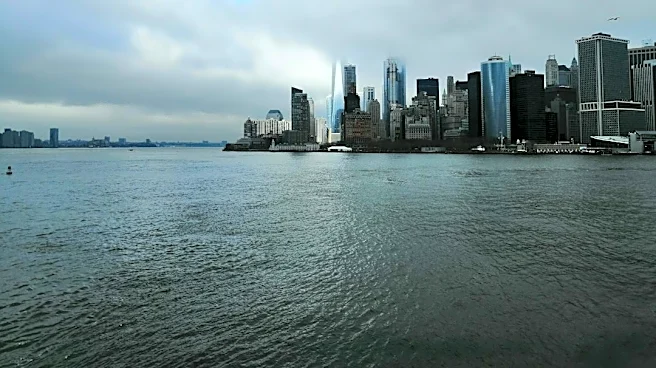
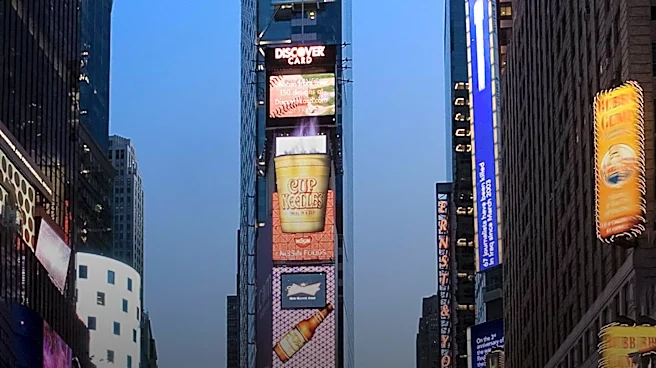
Jeevz provides a unique personal driver service in Manhattan, enabling individuals to hire a driver to operate their own vehicle. This service aims to alleviate common urban transportation challenges such as traffic congestion, parking difficulties, and
high event parking fees, particularly around venues like MetLife Stadium and Madison Square Garden. Users can book a driver through the Jeevz app or website by entering their pickup address, date, and time. The driver arrives, and after identity confirmation, drives the user's car for the booked duration. Payment is processed through the app at the end of the trip. This model differs from traditional rideshare services like Uber or Lyft, where users ride in the driver's vehicle.
Why It's Important?
This service offers a significant convenience for Manhattan residents and visitors, particularly those who prefer the comfort and familiarity of their own car but wish to avoid the stresses of driving in a dense urban environment. It provides a practical solution for airport trips, nights out, or attending events, where parking and navigating traffic can be time-consuming and expensive. The hourly billing structure, with no surge pricing or per-mile charges (for members), offers cost predictability, which is a notable advantage over dynamic pricing models of conventional rideshares. This could appeal to a segment of the market seeking a premium, personalized transportation experience, potentially impacting the demand for traditional taxi and rideshare services among higher-value customers.
What's Next?
Jeevz is likely to focus on expanding its customer base within Manhattan and potentially other high-density urban areas where similar transportation challenges exist. The company may introduce tiered membership options or loyalty programs to attract and retain users. As the service gains traction, there could be an increase in demand for professional drivers willing to operate clients' vehicles, potentially creating new employment opportunities in the personal transportation sector. The success of Jeevz could also inspire similar 'driver-for-your-car' models in other cities, further diversifying the urban mobility landscape.
Beyond the Headlines
The Jeevz service highlights an evolving consumer preference for personalized and convenient solutions in urban mobility. It taps into the desire for comfort and control that comes with using one's own vehicle, combined with the luxury of being chauffeured. This model also subtly addresses environmental concerns by encouraging the use of existing vehicles rather than adding more cars to the road, although the overall impact depends on the frequency of use compared to public transport. Furthermore, it raises interesting questions about the future of car ownership in cities, where the utility of owning a car might shift from daily driving to having it available for personal drivers on demand, blurring the lines between private vehicle use and premium rideshare experiences.