






What's Happening?
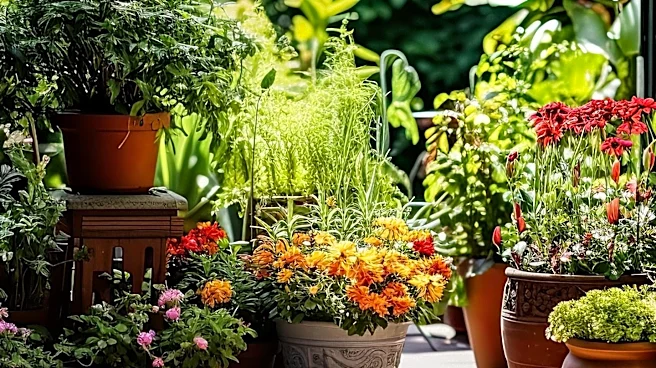
Container gardening is flourishing in various U.S. regions, adapting to local climates and urban environments. In Florida, the warm, humid climate and abundant sunshine make it ideal for cultivating a wide array of tropical plants in containers. This
method offers flexibility, allowing gardeners to reposition plants for optimal light exposure or protection from unpredictable weather. Popular tropical choices for Florida container gardens include bird of paradise, caladiums, and golden pothos. Meanwhile, in Philadelphia, container gardening has been instrumental in revitalizing urban landscapes. Projects like Megan Wilcox's 'Container Meadow' demonstrate how sidewalks and other public spaces can be transformed into vibrant gardens, enhancing the aesthetic and ecological value of city areas. The success of container gardening in both these diverse settings highlights its versatility and adaptability.
Why It's Important?
The growing popularity of container gardening in places like Florida and Philadelphia underscores its significant impact on urban development and environmental sustainability. In urban centers, where green spaces are often limited, container gardening provides a crucial avenue for increasing biodiversity, improving air quality, and enhancing community well-being. It offers residents, particularly those without access to traditional yards, the opportunity to engage in gardening, fostering a connection with nature. Economically, this trend can stimulate local nurseries and garden supply businesses, creating demand for specialized potting mixes, containers, and plant varieties. Furthermore, the flexibility of container gardening allows for quick adaptation to changing environmental conditions, making it a resilient solution for greening efforts in diverse climates and constrained spaces across the U.S.
What's Next?
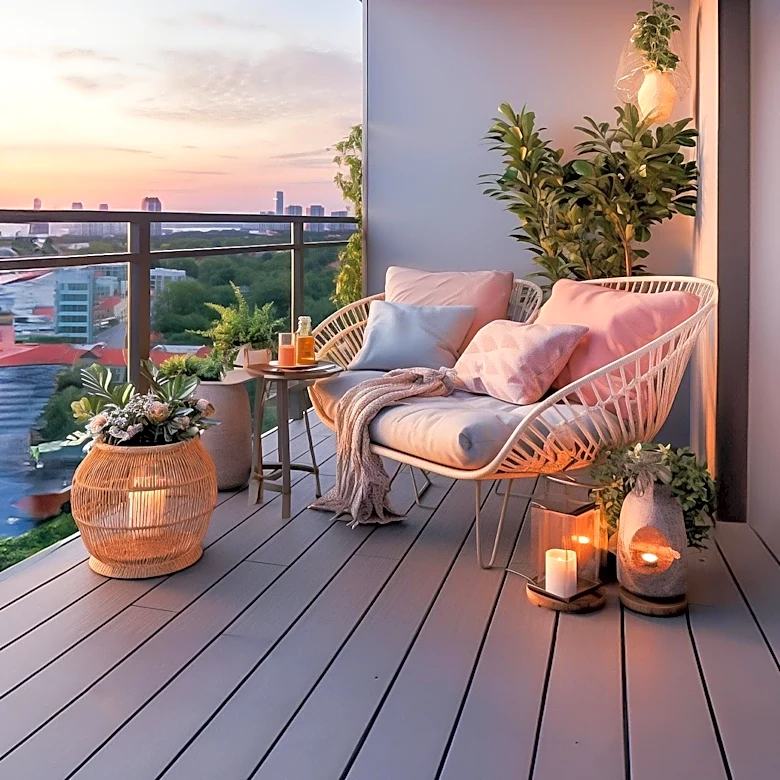
The continued growth of container gardening is expected to drive further innovation in horticultural products and urban planning. We may see an increase in demand for specialized, lightweight potting mixes that offer optimal drainage and aeration, catering to the specific needs of container-grown plants. Urban planners and community organizations are likely to explore more initiatives that integrate container gardens into public spaces, potentially leading to new policies supporting urban greening projects. Additionally, educational programs on container gardening techniques, plant selection, and maintenance will likely expand to meet the interest of new gardeners. This trend could also influence architectural design, with more buildings incorporating container gardens on balconies, rooftops, and communal areas, further blurring the lines between indoor and outdoor living in urban environments.
Beyond the Headlines
Beyond its immediate benefits, the rise of container gardening reflects a broader societal shift towards sustainable living and a desire for increased connection with nature, even in highly urbanized areas. This practice can foster a sense of community among urban dwellers, as shared gardening spaces or visible street-side containers often spark conversations and collaboration. Ethically, it promotes responsible land use and resource management, encouraging individuals to grow food or ornamental plants in limited spaces, thereby reducing reliance on large-scale agriculture and its associated environmental footprint. Culturally, container gardens can become expressions of personal and community identity, transforming sterile urban landscapes into vibrant, personalized ecosystems that reflect local tastes and environmental values, contributing to a more aesthetically pleasing and livable urban fabric.