




What's Happening?
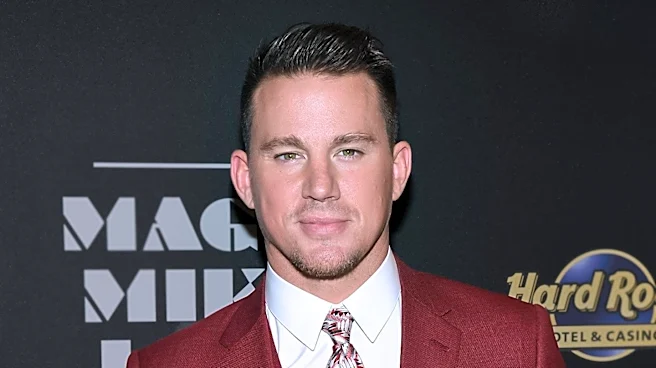
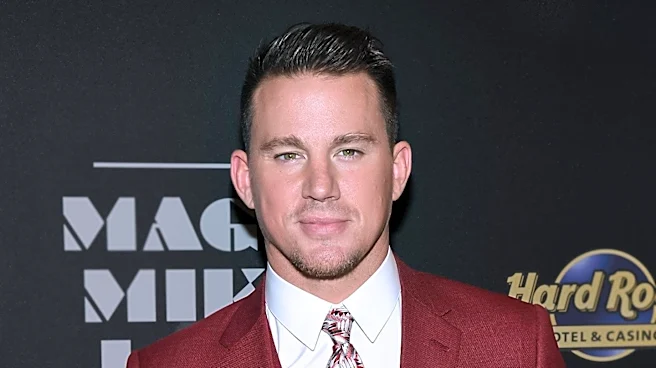
Online rumors are circulating regarding an Instagram account, dubbed 'Nonya Bidness,' which fans believe is a 'burner account' belonging to actor Channing Tatum. The theory gained traction over the weekend after social media users noticed that Tatum was
seemingly the account's sole follower. This anonymous account has reportedly posted comments on articles and rumors concerning Tatum's ex-fiancée, Zoë Kravitz, and her new fiancé, Harry Styles. One such comment, 'Just here for the hate,' appeared on a PDA post about Kravitz and Styles and went viral after fans discovered Tatum's alleged follow. Additionally, the account is said to have made references to Tatum's ex-wife, Jenna Dewan, with a comment stating, 'His ex wife tried to grift his money, Zoe knew she was too much of a free bird to settle down and this one is an adult. Let that man sow his wild oats in peace.' Another comment from the account reportedly questioned Kravitz's intentionality, suggesting she might be 'calculated.' The account appears to be no longer active.
Why It's Important?
This incident highlights the pervasive nature of social media speculation and its potential impact on public figures' personal lives and reputations. The rapid spread of the 'burner account' theory demonstrates how quickly unverified information can gain traction online, leading to widespread discussion and scrutiny. For celebrities like Channing Tatum, such rumors can create unwanted public attention and potentially affect their public image, regardless of the veracity of the claims. The situation also underscores the challenges public figures face in maintaining privacy in the digital age, where their online activities, even seemingly anonymous ones, can be scrutinized by a vast audience. The engagement of fans in dissecting and sharing these observations further illustrates the power of collective online investigation, which can both uncover truths and amplify speculation.
What's Next?
Given that the alleged 'burner account' is reportedly no longer active, the immediate online discussion surrounding this specific account may subside. However, the broader implications of celebrity privacy and social media conduct are likely to persist. Public figures and their teams may continue to monitor online activity more closely to manage their digital footprint and address potential misinformation. This event could also prompt further discussions among fans and media outlets about the ethics of online speculation and the boundaries of celebrity privacy. While there is no indication of legal action or official statements from Channing Tatum regarding these rumors, the incident serves as a reminder of the constant scrutiny faced by public figures in the age of social media.
Beyond the Headlines
The 'burner account' theory touches upon deeper themes of authenticity and control in the digital realm. In an era where public figures often curate highly polished online personas, the idea of a 'burner account' suggests a desire for unfiltered expression or a space to engage anonymously. This incident raises questions about the pressure celebrities face to maintain a certain image and the psychological toll of constant public observation. It also highlights the evolving nature of online identity, where individuals may maintain multiple personas—some public, some private—and the potential for these to intersect in unexpected ways. The viral nature of this theory also reflects a broader societal fascination with the 'real' lives of celebrities, often leading to intense speculation and interpretation of their online behaviors.