






What's Happening?
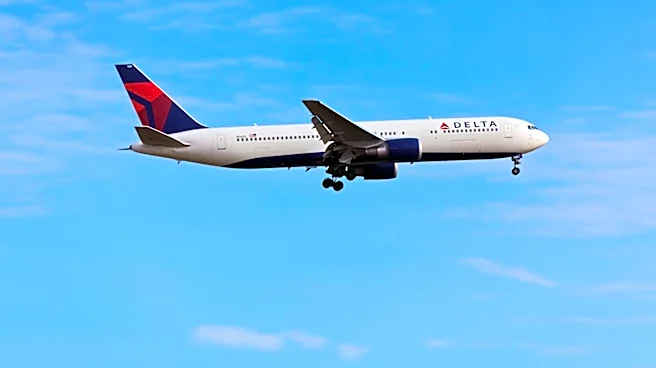
A federal judge in Brooklyn, U.S. District Judge Ramon Reyes, has rejected Delta Air Lines' request to dismiss a lawsuit filed by passengers who claim they paid for window seats but were instead seated next to windowless blank walls. The lawsuit argues
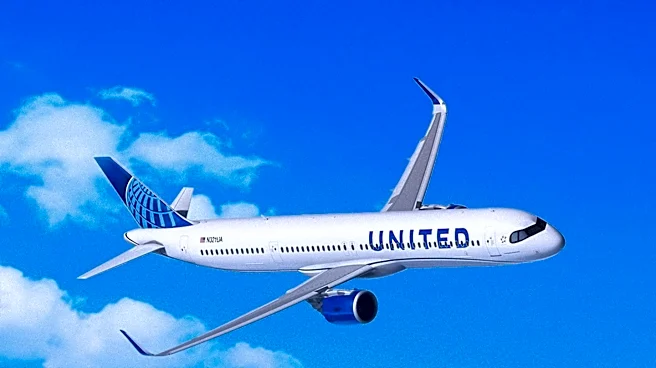
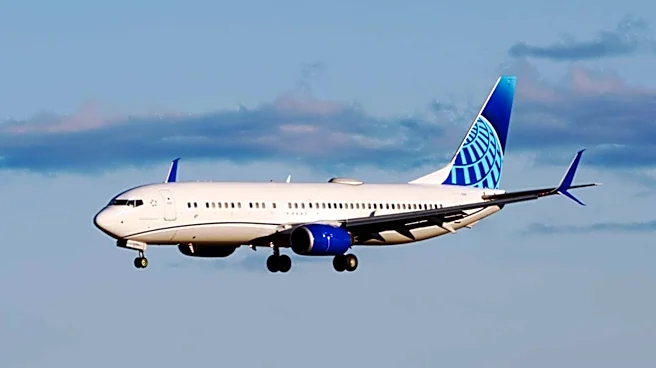
that there is a reasonable dispute regarding whether Delta's contract of carriage, which states the airline does not guarantee particular seats, absolves it from providing a window when a passenger specifically pays for a 'window seat.' The judge did not rule on the merits of the lawsuit itself, but rather allowed it to proceed. Similar litigation against United Airlines was also permitted to move forward by a federal judge in San Francisco in July. The proposed class actions were initiated in August 2025 by passengers who found themselves in such situations on Boeing 737, Boeing 757, and Airbus A321 planes.
Why It's Important?
This ruling is significant for consumer rights in the airline industry, establishing a precedent that passengers may be able to hold airlines accountable for discrepancies between advertised seat features and actual provisions. For Delta Air Lines, facing this lawsuit could result in substantial financial penalties, as the plaintiffs are seeking millions of dollars in damages for over a million passengers. The case highlights the importance of clear and transparent communication from airlines regarding seat assignments and aircraft configurations. If the lawsuit is successful, it could compel airlines to either guarantee window seats when sold as such or to explicitly disclose when a 'window seat' might lack a window. This could lead to changes in booking systems and passenger information provided during the reservation process, impacting how airlines market and sell specific seat types.
What's Next?
Following Judge Reyes' decision, the lawsuit against Delta Air Lines will now proceed, likely involving discovery and further legal arguments to determine its merits. Delta will need to prepare its defense, potentially arguing that its contract of carriage sufficiently covers such eventualities or that the absence of a window is an unavoidable operational reality. The outcome of this case, along with the similar lawsuit against United Airlines, could have far-reaching implications for the airline industry. If the plaintiffs are successful, it could lead to a wave of similar lawsuits against other carriers and potentially prompt regulatory bodies to issue new guidelines regarding seat descriptions and passenger expectations. Airlines may also proactively revise their booking processes and disclosures to avoid future litigation, ensuring greater transparency for passengers purchasing specific seat types.
Beyond the Headlines
This lawsuit delves into the nuanced aspects of consumer contracts and the expectations set by product descriptions, even in a highly regulated industry like air travel. The plaintiffs' arguments, citing reasons for purchasing window seats such as fear of flying, motion sickness, keeping children occupied, or simply enjoying the view, underscore the emotional and practical value passengers place on specific seat features. The case also brings to light the operational complexities of aircraft design, where certain areas of the fuselage may lack windows due to internal components like air conditioning ducts. Beyond the financial implications, the legal battle could foster a broader discussion about the balance between airline operational flexibility and consumer expectations, potentially leading to industry-wide changes in how airlines manage and communicate seat assignments, ultimately enhancing passenger satisfaction and trust.