







What's Happening?
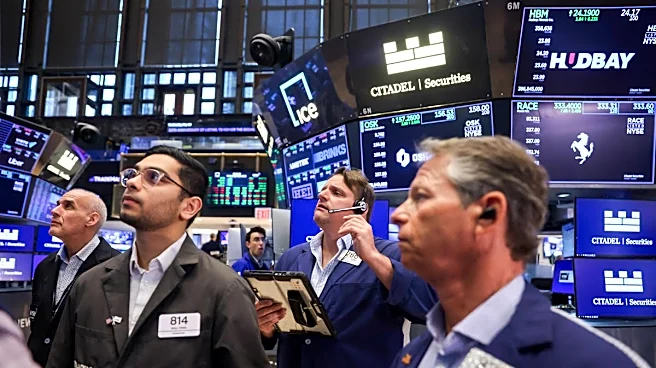
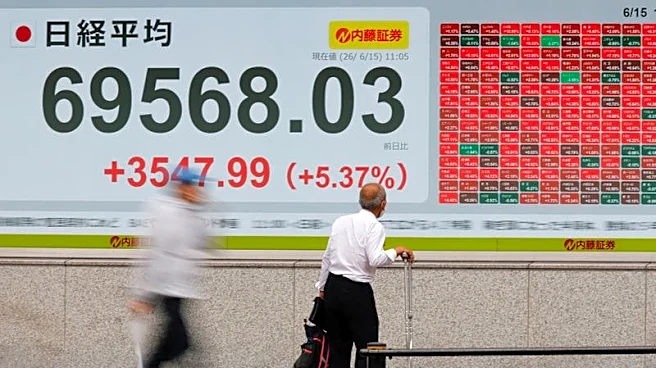
The ongoing conflict involving Iran is having a noticeable impact on the cryptocurrency market, as traders closely monitor geopolitical developments. Despite the potential for significant market shifts, many traders remain cautious and are staying on the sidelines
when it comes to investing in cryptocurrencies. This cautious approach is reflected in the trading patterns of cryptocurrency exchange-traded funds (ETFs), which are also experiencing similar trends. Todd Rosenbluth, head of research and editorial at TMX VettaFi, discussed these developments on CNBC's 'Halftime Report' with Dominic Chu. The discussion highlighted how geopolitical tensions can influence market behavior, particularly in the volatile cryptocurrency sector.
Why It's Important?
The influence of geopolitical events, such as the Iran conflict, on the cryptocurrency market underscores the interconnectedness of global events and financial markets. Cryptocurrencies, often seen as a hedge against traditional financial systems, can be significantly affected by international tensions. This situation highlights the importance for investors to consider geopolitical risks when making investment decisions in the crypto space. The cautious stance of traders suggests a potential slowdown in market activity, which could impact the liquidity and volatility of cryptocurrencies. Additionally, the behavior of cryptocurrency ETFs, which are designed to track the performance of digital assets, can provide insights into broader market sentiment and investor confidence.
What's Next?
As the situation in Iran continues to evolve, traders and investors will likely remain vigilant, assessing the potential impacts on the cryptocurrency market. Any escalation in the conflict could lead to increased volatility, prompting traders to either capitalize on market movements or further retreat to safer assets. Conversely, a de-escalation could restore some confidence, potentially leading to increased trading activity. Market participants will also be watching for any regulatory responses or changes in policy that could affect the trading and adoption of cryptocurrencies. The ongoing developments will require investors to stay informed and adaptable to rapidly changing market conditions.