



What's Happening?
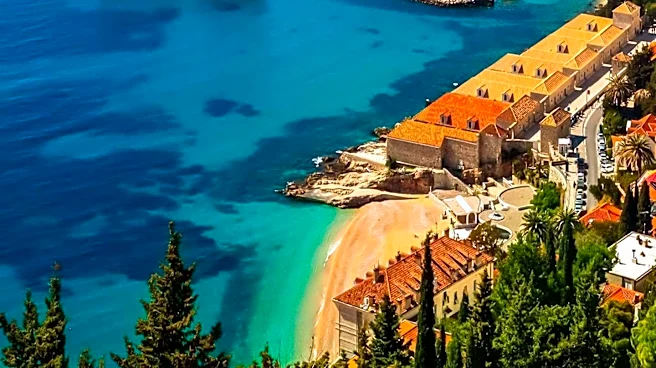
Leading British travel expert Simon Calder has identified Dubrovnik, Croatia, as a premier European destination for September travel. Calder highlights the advantages of visiting after the peak summer season, noting that crowds diminish, temperatures
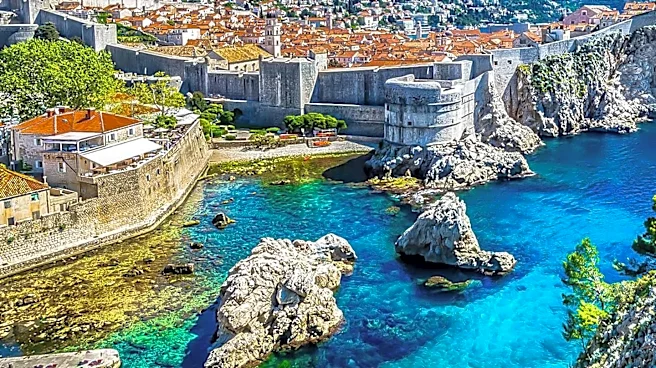
become more comfortable, and the Mediterranean Sea remains warm. He specifically points out that the 'ancient wonders' of Dubrovnik and Split are more enjoyable without the intense summer heat and large crowds. The UNESCO-listed Old City of Dubrovnik, with its historic walls and palaces, becomes a more comfortable experience for visitors in September. Additionally, sea temperatures are still inviting, allowing for a combination of sightseeing and swimming.
Why It's Important?
This recommendation from a prominent travel expert could significantly influence travel patterns and tourism economies in destinations like Dubrovnik. By promoting September as an ideal travel period, it helps to extend the tourism season beyond the traditional summer months, potentially leading to more consistent revenue for local businesses, hotels, and tour operators. This shift can also alleviate over-tourism issues experienced during peak season, improving the visitor experience and reducing strain on local infrastructure. For travelers, it offers an opportunity to experience popular destinations with fewer crowds and more pleasant weather, enhancing their overall trip satisfaction and potentially encouraging more off-peak travel.
What's Next?
Following such recommendations, Dubrovnik and other featured destinations may see an increase in September bookings and tourism activity. Local tourism boards and businesses might leverage this expert endorsement in their marketing campaigns to attract more visitors during the shoulder season. Travelers considering European trips will likely consult such expert advice, potentially shifting their travel plans to September to take advantage of the described benefits. This could lead to a more balanced distribution of tourism throughout the year, rather than concentrated solely in July and August. Continued monitoring of travel trends and visitor numbers in September will indicate the extent of this impact.
Beyond the Headlines
The trend of promoting shoulder seasons for travel reflects a broader shift in the tourism industry towards sustainable practices and enhanced visitor experiences. By encouraging travel outside of peak times, destinations can better manage their resources, reduce environmental impact, and offer a more authentic experience to tourists. This approach also supports local economies by providing more stable employment throughout the year, rather than seasonal fluctuations. Furthermore, it highlights the growing influence of travel experts and media in shaping public perception and guiding travel decisions, emphasizing the importance of informed recommendations in a competitive global tourism market.