






What's Happening?
Cleveland City Council has approved a new rate structure proposed by Mayor Justin Bibb's administration for Cleveland Public Power (CPP), the city-owned electric utility. These rate increases, set to take effect in January, will be implemented over the next
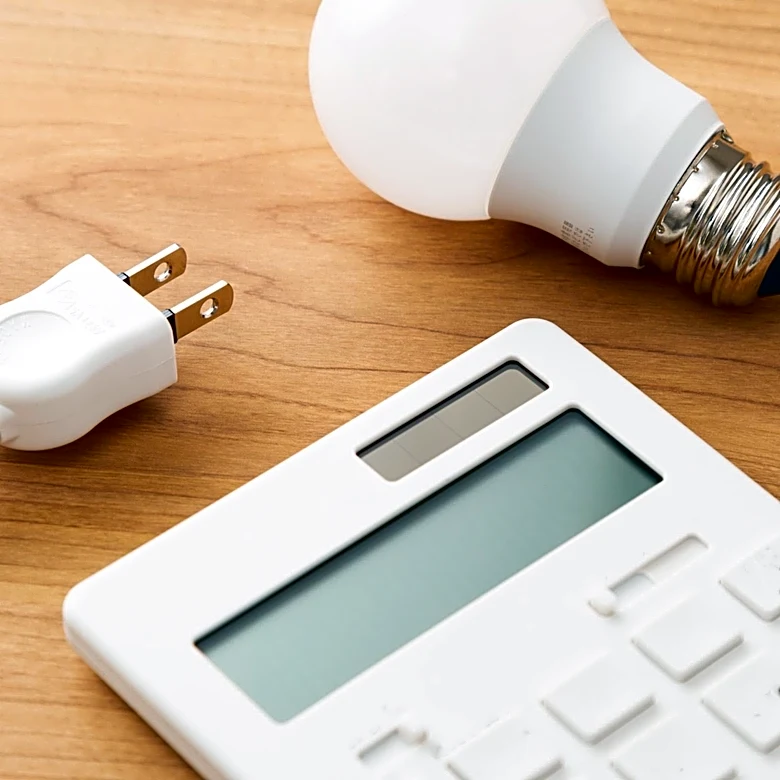
three years and are projected to generate millions more in revenue. City officials state that the additional funds are necessary for CPP to manage rising operational costs and to upgrade its aging infrastructure. The new structure will introduce a tiered billing system where higher electricity consumption will result in higher rates, and a fixed monthly charge will be added to each bill, starting at $2 in 2027 and increasing to $5 by 2029. This decision follows a year marked by power outages and acknowledges a history of deferred maintenance within the 120-year-old utility.
Why It's Important?
This rate increase for Cleveland Public Power customers is significant as it directly impacts the cost of living and doing business for approximately 74,500 customers in Cleveland. While the utility aims to improve service reliability and infrastructure, the immediate effect will be higher electricity bills for residents and businesses. The move highlights the financial pressures faced by municipal utilities in maintaining essential services amidst rising material costs, employee expenses, and the need for substantial capital investments. For the city, securing CPP's financial stability is crucial for public safety and economic development, as reliable power is fundamental to both. The success of these upgrades could serve as a model for other aging urban infrastructures, but failure to deliver on improved service could lead to public dissatisfaction and further scrutiny of utility management.
What's Next?
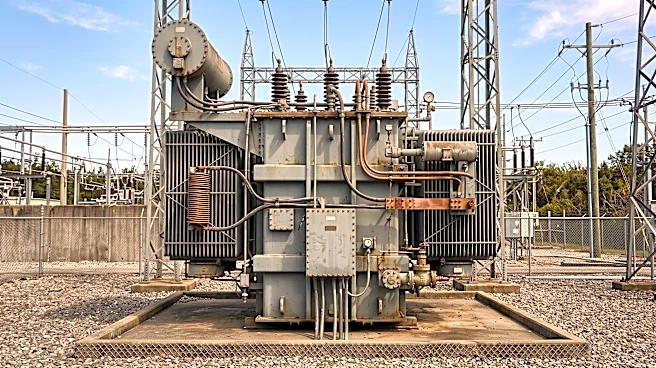
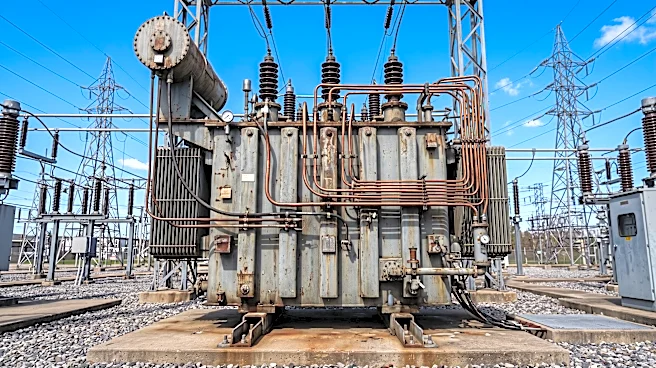
The approved rate increases will begin in January, with residential customers seeing their monthly bills rise incrementally over the next three years. CPP plans to use the increased revenue to borrow $30 million from the bond market in 2028, which will contribute to a total capital spending plan of $69.6 million over the next five years. Key projects include significant upgrades to the Lake Road and W. 41st St. and Fenwick Ave. substations, which are critical interconnection points for the city's power distribution. The utility also intends to invest in vehicles, heavy equipment, and underground projects. The effectiveness of these investments in reducing power outages and improving service reliability will be closely watched by customers and city officials, especially given the utility's acknowledged backlog of over $200 million in system-wide repair needs.
Beyond the Headlines
The decision to raise rates for Cleveland Public Power customers reflects a broader challenge faced by many aging urban infrastructures across the U.S.: how to fund necessary modernizations without unduly burdening residents. This situation could spark discussions about alternative funding mechanisms for public utilities, such as federal infrastructure grants or innovative public-private partnerships, to alleviate the sole reliance on ratepayer increases. Furthermore, the emphasis on upgrading substations, particularly those at interconnection points with competitors like FirstEnergy, underscores the competitive landscape within the utility sector and the strategic importance of maintaining a robust and independent municipal power system. The long-term implications could include enhanced energy resilience for Cleveland, but also a precedent for how cities manage and finance critical public services in an era of escalating costs and infrastructure demands.