

What's Happening?
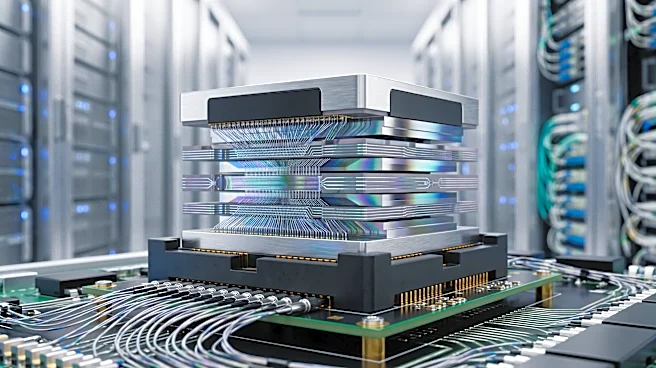
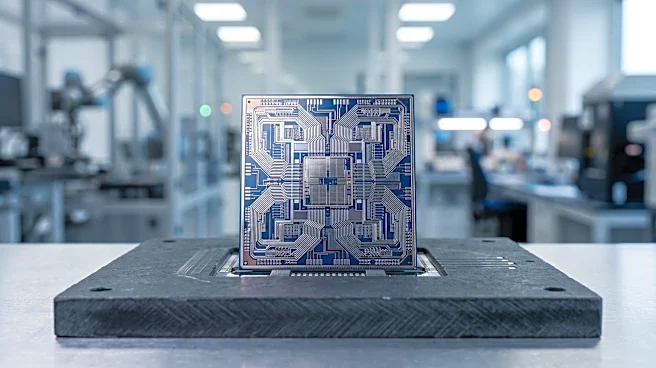
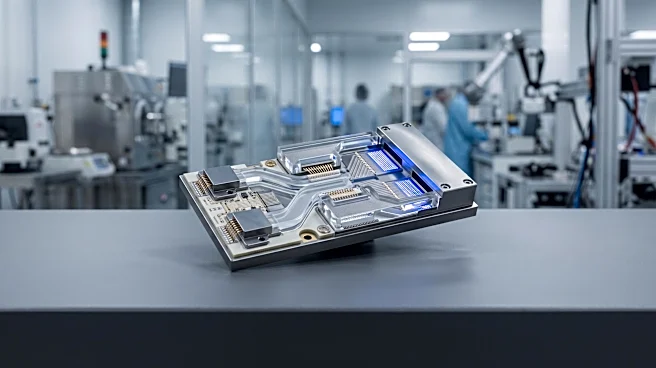
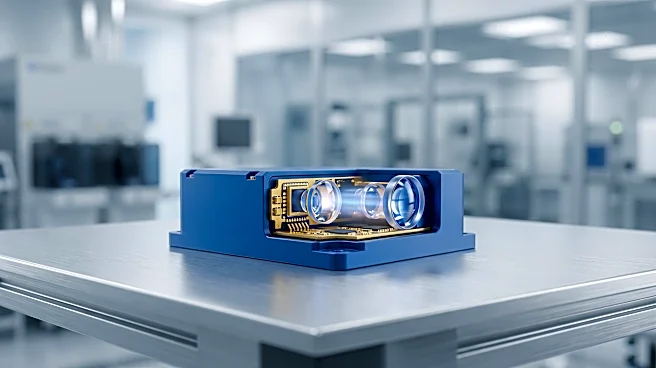
Avicena, a company specializing in microLED-based optical interconnects, has successfully raised over $100 million in Series C funding. This significant investment is earmarked to accelerate the commercialization of its LightBundle™ platform, which is designed
for AI infrastructure. The funding round saw participation from both new and existing investors, including notable firms such as InterVest, Tiger Global, Cerberus Capital Management, SK hynix Ventures, Samsung Catalyst Fund, AMD Ventures, Prosperity7 Ventures, Diamond Edge Ventures (Mitsubishi Chemical Corporation), and Hitachi Ventures. Concurrently with the financing, Kevin Pope has been appointed as the new CEO, succeeding Marco Chisari. Pope brings extensive experience in technology and operations, with a track record of guiding companies to successful exits, and will now lead Avicena's next phase of product commercialization. This funding follows recent milestones, including the shipment of 1 Tbps LightBundle evaluation kits and the announcement of a connectorized version for ECOC 2026, indicating progress towards market readiness.
Why It's Important?
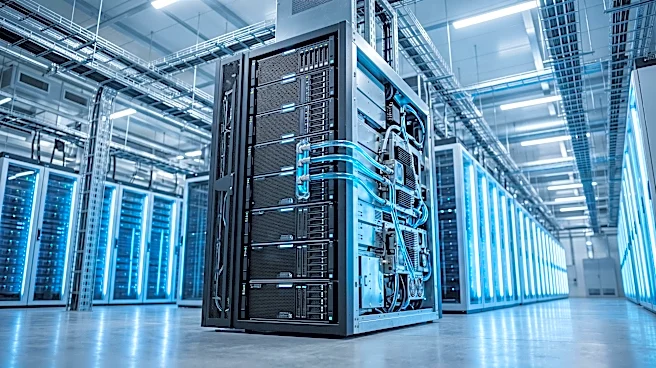
This substantial funding round for Avicena underscores the growing demand and critical need for advanced data transfer solutions within the rapidly expanding AI infrastructure sector. The LightBundle™ platform, with its focus on high bandwidth density, low energy consumption, low latency, and high reliability, addresses key bottlenecks in moving data between accelerators, memory, and switches in AI systems. The investment from a diverse group of prominent venture capital firms and corporate venture arms signals strong confidence in Avicena's technology and its potential to become a foundational component in next-generation AI infrastructure. The successful commercialization of such technology could significantly enhance the performance and efficiency of AI data centers, impacting various industries reliant on AI, from cloud computing to autonomous systems. The leadership transition to Kevin Pope, an executive with a history of successful exits, suggests a strategic move to scale operations and bring products to market effectively, which is crucial for capitalizing on this technological shift.
What's Next?
With the new Series C funding, Avicena plans to expand its team, accelerate product development, and scale its engineering capabilities to bring its first product to market in the coming year. The company's immediate focus will be on leveraging this capital to transition from evaluation kits to full commercialization of its LightBundle™ platform. The appointment of Kevin Pope as CEO indicates a strategic push towards operational execution and market penetration. Stakeholders, including investors and potential customers in the AI infrastructure space, will be closely watching Avicena's progress in deploying its microLED optical interconnects. The success of Avicena's commercialization efforts could lead to broader adoption of its technology, potentially setting new industry standards for data connectivity in AI environments and influencing future investment trends in high-performance computing solutions.
Beyond the Headlines
The investment in Avicena highlights a broader industry trend towards specialized hardware solutions designed to overcome the limitations of traditional data transfer methods in the age of artificial intelligence. As AI models become more complex and data-intensive, the efficiency of interconnects becomes a critical factor in overall system performance and energy consumption. Avicena's laser-free LightBundle™ platform represents an innovative approach to this challenge, potentially offering a more sustainable and scalable solution compared to existing technologies. This development could trigger a shift in how AI infrastructure is designed and built, emphasizing optical interconnects as a core component. Furthermore, the involvement of major technology companies like AMD and Samsung Catalyst Fund as investors suggests a strategic interest in integrating such advanced interconnect solutions into their own ecosystems, potentially fostering new partnerships and collaborations across the AI hardware supply chain. The long-term implications could include a more energy-efficient and powerful AI landscape, driving further advancements in AI capabilities.