

What's Happening?
Experts in behavioral color and design psychology are exploring how personality traits, specifically introversion and extroversion, can influence an individual's paint color choices for their home. Karen Haller, a leading authority in this field, explains
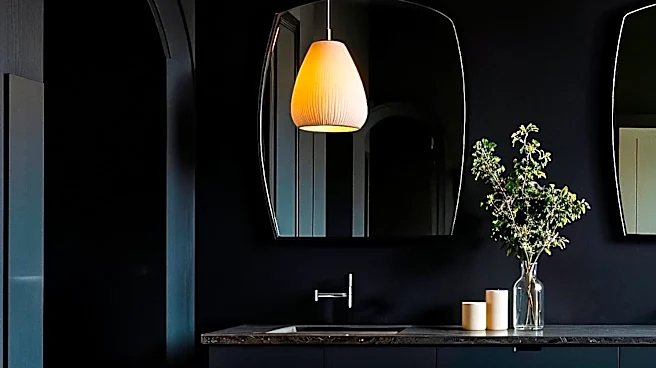
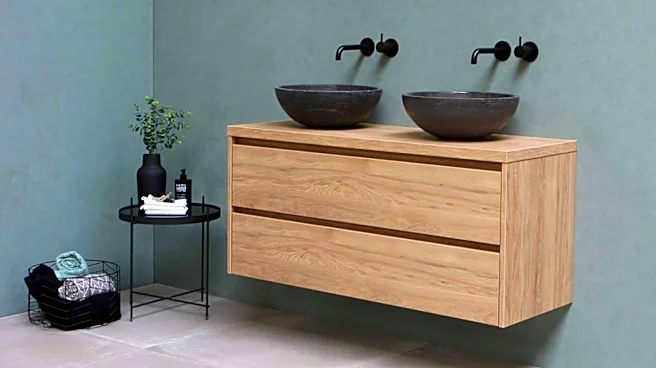
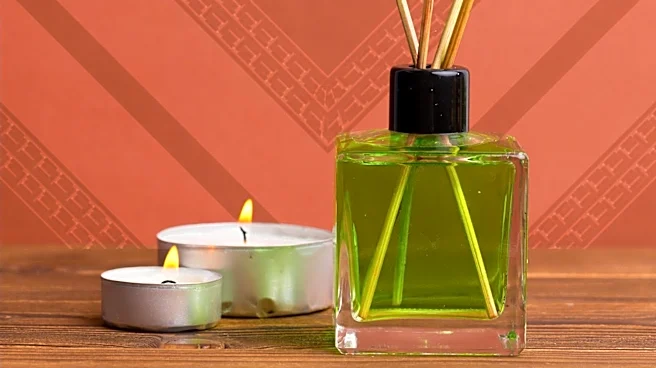
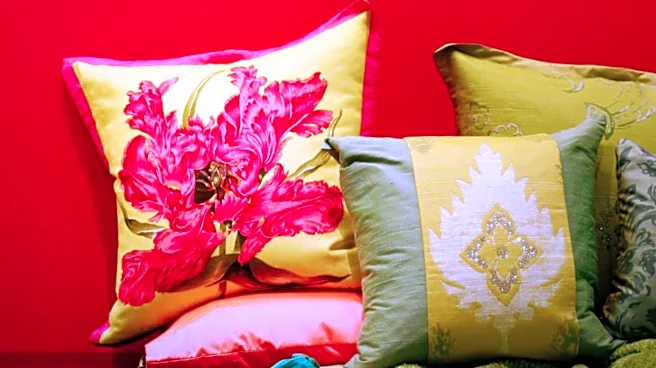
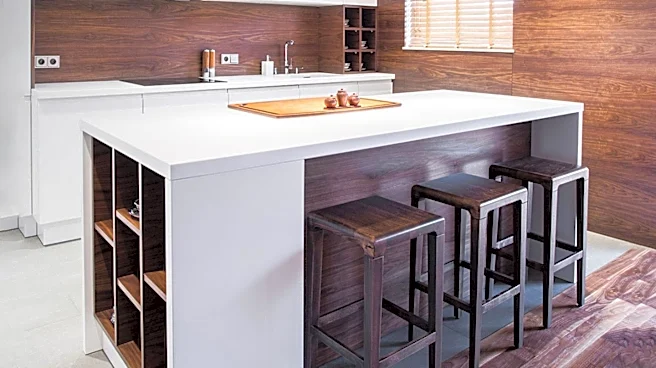
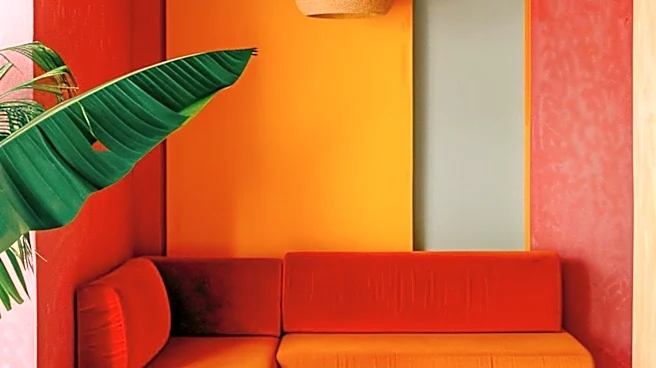
that while personality can draw people to certain colors, it doesn't automatically dictate a specific palette, as many individuals exhibit a mix of both introverted and extroverted tendencies. However, there are general inclinations: introverts often gravitate towards calming, restorative palettes like soft whites, neutrals, grounding greens, blues, and pinks, aiming for a serene interior. In contrast, extroverts may prefer brighter, bolder, and more saturated colors such as mid-tone blues, teals, rich ochers, pinks, and oranges, to create energetic and social atmospheres. Both experts emphasize that the ultimate choice should align with how an individual wants to feel and use a specific space, rather than strictly adhering to personality stereotypes.
Why It's Important?
This discussion is important for the U.S. interior design and home improvement industries, as it provides deeper insights into consumer behavior and preferences. Understanding the psychological impact of color can help designers and paint retailers better advise clients, leading to more personalized and satisfying home environments. For homeowners, this knowledge empowers them to make more informed decisions about their living spaces, potentially enhancing their mood, well-being, and overall quality of life. The nuanced perspective that personality doesn't strictly define color choice, but rather influences how one wants to experience a space, encourages a more thoughtful approach to design. This could lead to a greater demand for color consultations and custom paint solutions, moving beyond generic trends to truly reflect individual needs and desires.
What's Next?
The growing understanding of color psychology in home design could lead to more specialized services offered by interior designers and paint companies, focusing on personalized color palettes based on individual personality and lifestyle. We might see an increase in online tools or apps that help consumers identify colors that align with their desired mood and spatial function. Educational resources on behavioral color psychology could become more prevalent, empowering homeowners to make their own informed design choices. Furthermore, this trend could influence paint manufacturers to develop broader ranges of nuanced colors and finishes, catering to diverse psychological needs rather than just aesthetic trends. The emphasis on how colors make people feel could also extend to other aspects of home decor, such as lighting, textures, and furniture, creating more cohesive and psychologically supportive living environments.
Beyond the Headlines
The exploration of how personality influences color choice delves into the deeper connection between our internal selves and our external environments. Beyond mere aesthetics, it highlights the profound psychological impact that our surroundings have on our mood, behavior, and overall well-being. Ethically, it encourages a more human-centered approach to design, prioritizing the individual's comfort and emotional needs over purely commercial or trend-driven considerations. Culturally, it reflects a growing awareness of mental health and the importance of creating spaces that support personal restoration and social connection. The idea that a home can be a 'blank canvas' for self-expression, tailored to one's unique personality, challenges conventional notions of interior design and promotes a more authentic and personalized living experience. This understanding could eventually extend to public spaces, workplaces, and healthcare environments, where color is strategically used to influence collective mood and behavior.