







What's Happening?
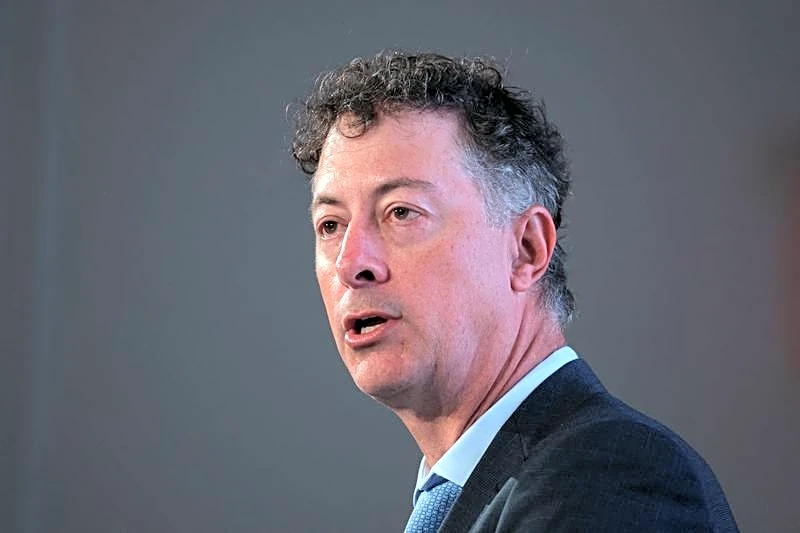
Manhattan District Attorney Alvin Bragg has announced the formation of the Office’s first Corporate Crime and Antitrust Task Force. This new initiative signals a more aggressive stance on criminal enforcement against corporations and their executives.
The task force aims to hold organizations and powerful individuals accountable, deter industry-wide misconduct, and drive systemic reform by targeting 'the infrastructure of crime.' Priority areas for the task force include accounting fraud, antitrust violations, consumer fraud, healthcare-related crimes, and offenses facilitated by artificial intelligence (AI). The task force, led by Matthew Bogdanos, comprises approximately five assistant district attorneys and two investigative analysts, drawing on the Office’s forensic accountants, career investigators, and Financial Intelligence Unit. This move is part of a broader trend in New York towards increased scrutiny of corporate conduct at state and local levels.
Why It's Important?
This development is significant for businesses operating in New York, particularly those with a presence in Manhattan. The task force's focus on antitrust violations, including wage-fixing, could impact various sectors, especially healthcare, food service, and retail, where workers are deemed vulnerable to employer collusion. The emphasis on AI-facilitated offenses highlights a growing concern over how new technologies can be exploited for crimes like boiler-room securities fraud. Companies now face increased criminal exposure for misconduct, particularly in areas of consumer protection, worker rights, tenant rights, or AI-enabled deception. This initiative reflects a shift in enforcement priorities, with state and local agencies stepping in to address gaps left by a narrower federal focus on white-collar crime. The potential for parallel investigations from the DA, Attorney General, financial regulators, and the City Council means companies must enhance their risk mapping and mitigation efforts.
What's Next?
Companies with operations in Manhattan should anticipate heightened scrutiny and potential investigations into their practices. The task force is expected to actively pursue cases in its priority areas, leading to increased enforcement actions against corporations and executives. Businesses, especially those in sectors identified as high-risk for antitrust violations, should review their policies regarding competitor communications, wage and compensation information, employee recruiting, and benchmarking initiatives. The focus on AI-enabled offenses suggests that companies utilizing AI tools will need to ensure compliance and ethical use to avoid potential criminal exposure. This initiative is likely to foster a more coordinated approach among state and local authorities in New York, potentially leading to more frequent and complex investigations.
Beyond the Headlines
The establishment of this task force underscores a broader societal demand for greater corporate accountability and ethical conduct. It reflects a growing recognition that corporate misconduct can have far-reaching impacts on workers, consumers, and the overall economy. The inclusion of AI-facilitated crimes highlights the evolving legal and ethical challenges posed by emerging technologies, pushing the boundaries of traditional corporate crime enforcement. This move could set a precedent for other jurisdictions to follow, leading to a nationwide trend of more aggressive state and local prosecution of corporate wrongdoing. It also signals a potential shift in the balance of power, with local authorities taking a more prominent role in regulating corporate behavior, which could lead to a more complex and fragmented regulatory landscape for businesses.