






What's Happening?
Mortgage inquiry patterns in the U.S. have undergone a significant transformation, with a pronounced shift towards home-equity products. According to RateZip's Mortgage Demand Index, for the three months ending October 2026, home-equity products (including
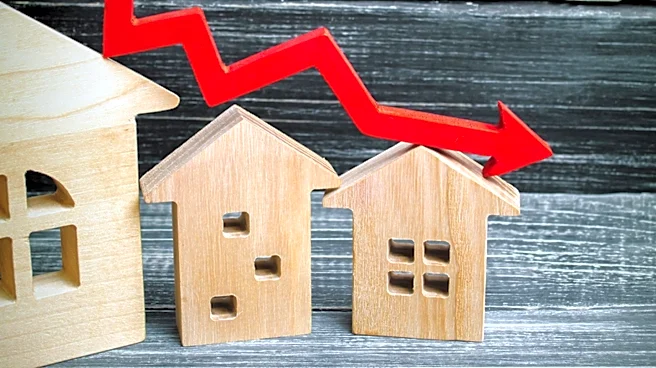
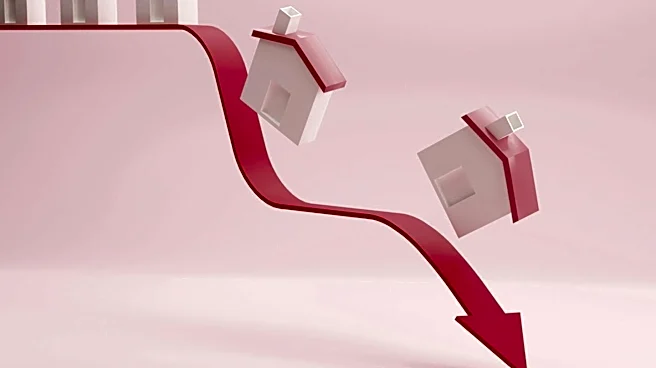
HELOCs and reverse mortgages) constituted 95% of all mortgage inquiries across their network. This marks a substantial increase from 74% during the same period a year prior. Conversely, demand for purchase mortgages plummeted from 21% to 3%, and refinance inquiries dropped from 5% to 2% over the same twelve-month span. This indicates a 21-percentage-point rotation of the entire inquiry mix towards home-equity products, reflecting a fundamental change in how consumers are leveraging their home equity. The data, published on November 5, 2026, highlights a clear trend away from traditional mortgage activities.
Why It's Important?
This dramatic shift in mortgage demand has significant implications for the U.S. housing market and financial sector. The surge in home-equity product inquiries suggests that homeowners are increasingly opting to tap into their existing home equity rather than pursuing new home purchases or refinancing their primary mortgages. This trend could be driven by higher interest rates on new mortgages, making refinancing less attractive, and by elevated home prices, which may deter new buyers. For lenders, this means a greater focus on home-equity lines of credit and reverse mortgages, potentially altering their product offerings and marketing strategies. It also indicates a potential slowdown in housing market transactions, as fewer individuals are seeking to buy or refinance. The increased reliance on home equity could provide homeowners with liquidity for other investments, debt consolidation, or home improvements, but it also exposes them to risks if home values decline.
What's Next?
The continued dominance of home-equity products in mortgage inquiries suggests that this trend may persist as long as interest rates for traditional mortgages remain elevated and housing inventory remains tight. Lenders are likely to continue adapting their services to meet this demand, potentially leading to more competitive offerings in the home-equity space. Policymakers and financial regulators will be closely monitoring this shift to understand its broader economic impact, particularly concerning household debt levels and housing market stability. If interest rates for purchase and refinance mortgages eventually decrease, there could be a rebalancing of demand, but for now, the focus remains firmly on home equity. Consumers considering home-equity products should carefully evaluate the terms and risks involved.
Beyond the Headlines
The pronounced pivot towards home-equity products could signal a broader economic sentiment among U.S. homeowners. It suggests a preference for utilizing existing assets rather than incurring new, potentially higher-interest debt for home purchases or refinancing. This could reflect a cautious approach in an uncertain economic environment, where homeowners are seeking financial flexibility without committing to long-term, high-interest mortgages. Furthermore, this trend might exacerbate wealth disparities, as only homeowners with significant equity can access these products, leaving non-homeowners or those with limited equity at a disadvantage in leveraging their assets. The long-term implications for housing affordability and market dynamics will depend on how interest rates evolve and whether this shift represents a temporary adaptation or a more permanent change in consumer financial behavior.