



What's Happening?
A six-parcel assemblage at 143-161 E. 60th St. on New York City's Upper East Side is back on the market with a $360 million price tag. This site, directly across from the Bloomingdale's flagship store, was previously sold for $300 million in 2015. The
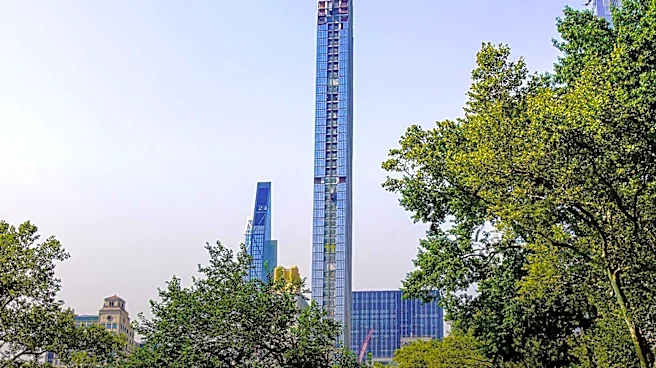
old buildings on the lot have since been demolished, leaving a cleared site with approximately 283,000 square feet of development potential. The property's zoning permits both residential and commercial development and has been marketed as allowing a tower without a height limit, opening the possibility for another supertall skyscraper. Listing broker Marlon Schwarcz indicates that major developers, including those with projects on nearby Billionaires' Row, are already submitting offers. Offers began arriving about 30 days after the property was listed, and Schwarcz anticipates a deal could be finalized within approximately 90 days. The site was previously owned by Chinese developer Kuafu Properties, which had ambitious plans for a 1,000-foot-plus skyscraper, with designs from prominent architecture firms like Rogers Stirk Harbour + Partners and Kohn Pedersen Fox.
Why It's Important?
This development is significant for New York City's real estate market, particularly for the Upper East Side and the broader Manhattan skyline. The potential construction of another supertall tower could extend the architectural trend seen on Billionaires' Row further northeast, impacting the visual landscape and property values in the area. The high asking price of $360 million, coupled with an estimated $500 million to $1 billion in development costs for an ultra-luxury project, underscores the substantial investment required and the confidence developers have in the high-end market. The site's flexibility for residential or commercial use, and the absence of a height limit, offer developers a rare opportunity to create a landmark structure. The involvement of major builders, including those from Billionaires' Row, suggests a continued demand for ultra-luxury properties and a belief in the long-term value of prime Manhattan real estate, despite the significant capital outlay required for such projects.
What's Next?
The immediate next step involves the ongoing negotiation process, with listing broker Marlon Schwarcz expecting a deal to be reached within approximately 90 days. Once a buyer is secured, the focus will shift to the planning and design phases for the new development. Given the site's potential for a supertall tower and its prime location, the chosen developer will likely commission leading architects to create a distinctive design. The project will then need to navigate the city's regulatory and approval processes, which can be complex for large-scale developments. The type of development, whether residential or commercial, will depend on the buyer's strategy and market conditions at the time. There is also the possibility of developing affordable housing, which Schwarcz estimated could cost between $100 million and $300 million to build, though the current interest appears to be from ultra-luxury developers. The eventual construction will bring new jobs and economic activity to the area.
Beyond the Headlines
The sale and subsequent development of this vacant lot could have broader implications beyond just real estate. The potential for another supertall tower raises questions about urban density, neighborhood character, and the ongoing transformation of Manhattan's skyline. The previous attempts by Kuafu Properties to develop the site, which ultimately stalled due to internal shakeups and the sheer financial scale of the project, highlight the inherent risks and complexities involved in such ambitious undertakings. The current seller's position, described as not 'desperate to make a deal,' suggests a strategic approach to maximizing value, reflecting the scarcity of such large, cleared development sites in prime Manhattan locations. This project could also reignite discussions about the balance between luxury development and the need for diverse housing options in New York City, especially given the mention of affordable housing as an alternative, albeit less likely, development path for the site.