





What's Happening?
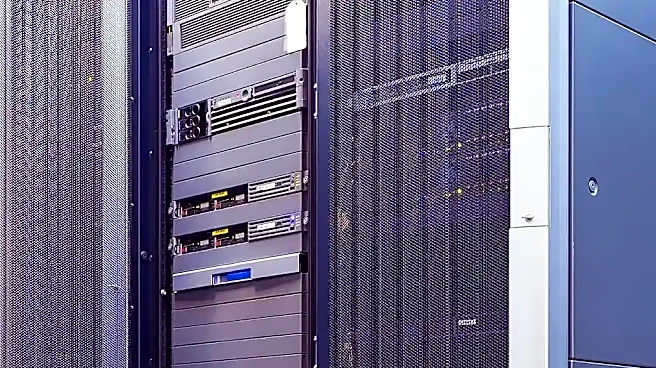
Despite the natural cooling benefits offered by the Arctic and underwater environments, data centers are not widely relocating to these regions. While cold climates allow for 'free cooling' techniques, significantly reducing electricity consumption for refrigeration,
the logistical and infrastructural hurdles are substantial. Companies like Google have established facilities in cold countries such as Finland, utilizing seawater for cooling. However, moving further into the Arctic wilderness presents significant challenges, including unreliable electricity grids, limited high-capacity fiber-optic networks, scarcity of skilled labor, and inadequate transport infrastructure. Construction in these harsh environments is complicated by extreme weather, long distances, and permafrost, which introduces additional engineering difficulties. Microsoft's Project Natick, an experiment with an underwater data center module off Scotland, demonstrated technical feasibility and reduced server failure rates but was ultimately deemed not commercially practical at scale due to maintenance complexities and the need for specialized infrastructure.
Why It's Important?
The challenges in deploying data centers in naturally cold environments highlight critical constraints facing the rapidly expanding digital infrastructure sector. The International Energy Agency has noted the escalating electricity demands of data centers, making grid connection delays and limited power infrastructure significant obstacles to growth. The inability to easily leverage the Arctic or underwater locations means that data center operators must continue to grapple with high energy consumption for cooling in more conventional, often warmer, locations. This impacts operational costs, environmental footprints, and the overall scalability of cloud services, online gaming, and AI applications that require vast computing power. The economic viability of data centers is a complex equation involving land, construction, electricity, cooling, networking, staffing, maintenance, and regulatory costs, where a cheaper cooling system alone does not guarantee overall cost-effectiveness. This situation underscores the ongoing need for innovation in energy efficiency and infrastructure development within the data center industry.
What's Next?
Future developments in data center placement will likely focus on optimizing existing locations and exploring specialized facilities where renewable energy, suitable network connections, and local infrastructure can be harmonized. While widespread relocation to the Arctic or underwater seems unlikely for general-purpose data centers, these environments may still be viable for niche applications with specific requirements. The lessons learned from projects like Microsoft's Natick will inform future research into sealed environments and advanced cooling technologies. The industry will continue to prioritize locations where the balance of electricity availability, connectivity, cooling, maintenance, and economics is most favorable. This will involve ongoing investment in grid infrastructure, fiber-optic networks, and potentially new engineering solutions to overcome the challenges of extreme environments, ensuring the continued growth and efficiency of global digital services.
Beyond the Headlines
The discussion around data center locations extends beyond mere technical and economic considerations, touching upon broader implications for environmental sustainability and global digital equity. The immense energy consumption of data centers contributes to carbon emissions, making the pursuit of energy-efficient cooling solutions a critical environmental imperative. The difficulty in utilizing naturally cold regions means that the environmental burden often falls on areas with existing infrastructure, potentially exacerbating local energy demands and environmental impacts. Furthermore, the concentration of data centers in specific geographic hubs can influence data latency and access for populations far from these centers, raising questions about digital inclusion and the equitable distribution of internet resources. The ongoing quest for optimal data center locations reflects a larger societal challenge: how to sustain the exponential growth of digital technology while minimizing its environmental footprint and ensuring global accessibility.