








What's Happening?
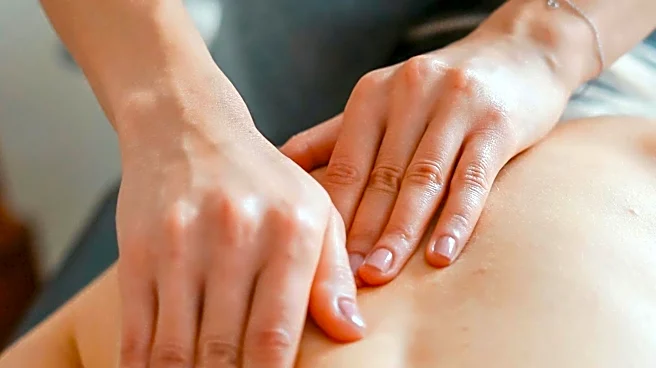
Manual Lymphatic Drainage (MLD) is a specialized, gentle, hands-on technique that uses light, rhythmic movements to support the movement of lymphatic fluid. This method differs significantly from traditional massage due to its gentle pressure and calming
pace. Practitioners like Julianne Bowman, a Certified Manual Lymphatic Drainage practitioner (MLD-C) at Healwell Lymphatics & Massage in Portland, Oregon, adapt each session to the client's health history, symptoms, comfort, and goals. MLD is typically performed without heavy oils or lotions to allow for precise skin movements. It is sought by clients for various reasons, including conservative lipedema management, temporary puffiness after air travel, facial or sinus pressure relief, migraine-prone periods, relaxation, and general lymphatic wellness. The lymphatic system, a network of vessels, lymph nodes, and organs, is crucial for maintaining fluid balance and immune function, collecting excess fluid and cellular material from tissues and returning filtered fluid to the bloodstream. Unlike the cardiovascular system, the lymphatic system lacks a central pump, relying on natural contractions, breathing, muscle activity, and body movement to circulate lymph.
Why It's Important?
The proper functioning of the lymphatic system is vital for overall health, as it plays a key role in fluid balance and immune defense. When the lymphatic system's ability to transport fluid is compromised, it can lead to puffiness, swelling, tightness, or feelings of heaviness. MLD offers a non-invasive approach to support this system, potentially alleviating discomfort and promoting wellness for individuals experiencing such issues. While MLD does not cure conditions like lipedema or remove lipedema tissue, it can help ease associated feelings of heaviness, tightness, puffiness, and discomfort, especially when fluid accumulation is present. This gentle care can be particularly beneficial for those seeking relief from chronic conditions or temporary fluid retention, contributing to an improved quality of life and comfort. The technique's focus on gentle, precise movements underscores a holistic approach to health that complements traditional medical care.
What's Next?
Individuals experiencing new, unexplained, persistent, or one-sided swelling are advised to consult an appropriate healthcare provider before scheduling MLD. For those preparing for or recovering from plastic surgery, including lipedema reduction surgery, specialized post-surgical lymphatic and fibrosis care services are recommended. Clients can expect an initial conversation about their health history, symptoms, medications, and goals to determine the appropriateness of MLD and how to adapt the session. Following MLD, clients commonly report deep relaxation, reduced feelings of heaviness or tightness, a temporary decrease in puffiness, greater comfort in fluid-affected areas, and a calmer disposition. The individual response to MLD varies based on the cause of symptoms, health history, and how the body reacts to treatment, suggesting that continued sessions may be recommended based on observed benefits.
Beyond the Headlines
The increasing interest in MLD highlights a broader societal trend towards holistic and complementary health practices. As awareness of the lymphatic system's role in health grows, so does the demand for specialized treatments that support its function. The emphasis on gentle, non-invasive techniques like MLD reflects a desire for care that minimizes discomfort and promotes the body's natural healing processes. This approach also underscores the importance of understanding the body's complex systems, such as the lymphatic system, which often operates without conscious thought but is critical for maintaining health. The distinction between MLD as supportive care versus a cure for medical conditions is crucial, promoting realistic expectations and encouraging integration with conventional medical advice for comprehensive health management.