
What's Happening?
A detailed analysis by Kling.ai outlines the fundamental differences between 2D and 3D animation, covering their visual styles, production workflows, and applications. 2D animation, often characterized
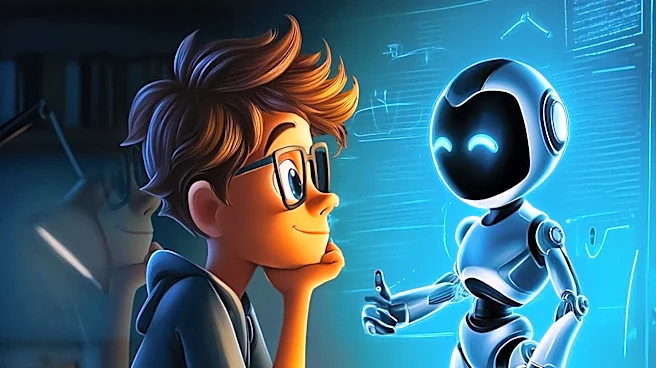
by linework, silhouettes, and expressive poses, moves flat artwork or 2D rigs, suggesting depth through perspective. Examples include hand-drawn anime like 'Spirited Away.' In contrast, 3D animation involves digital models within a virtual space, utilizing rigs, lighting, and cameras to create volumetric depth. The article highlights that the core distinction lies in scene construction rather than just realism. AI video generation tools, such as Kling 4.0, are increasingly making experimentation with both styles more accessible, allowing creators to generate 2D-inspired or stylized 3D-looking videos from prompts and visual references. These tools can help maintain character consistency and refine existing footage, though they do not replace the need for traditional artistic judgment in design, motion, and storytelling.
Why It's Important?
The evolving landscape of animation, particularly with the integration of AI, holds significant implications for the entertainment and creative industries. Understanding the distinctions and overlaps between 2D and 3D animation is crucial for studios, independent creators, and businesses looking to produce animated content efficiently and effectively. AI tools can democratize animation production, potentially lowering entry barriers for new artists and enabling faster prototyping and iteration of visual concepts. This shift could lead to more diverse animated content and innovative visual storytelling. However, it also emphasizes the enduring value of human artistic judgment and specialized production skills, as AI-generated content still requires careful guidance and refinement. The cost and learning curve considerations for each animation style, now influenced by AI, will shape investment decisions and talent development within the industry.
What's Next?
The continued advancement of AI video generation platforms like Kling 4.0 suggests a future where animation workflows become increasingly hybrid, blending traditional techniques with AI assistance. Creators will likely leverage AI for initial concept testing, style exploration, and repetitive tasks, freeing up human animators to focus on complex artistic decisions and nuanced storytelling. The industry may see a rise in demand for artists who can effectively prompt and direct AI tools, combining technical proficiency with strong artistic judgment. Further developments in AI could lead to more sophisticated control over generated content, potentially allowing for editable 2D layers or 3D models directly from AI outputs. This evolution will necessitate ongoing adaptation in animation education and professional training to equip artists with the skills needed to navigate this new technological frontier.
Beyond the Headlines
The integration of AI into animation raises deeper questions about creativity, authorship, and the future of artistic labor. While AI offers unprecedented efficiency and accessibility, it also sparks debates about the unique value of human craftsmanship and the potential for AI to homogenize artistic styles if not carefully managed. The ability to generate diverse visual styles, from hand-drawn anime to stylized 3D, through AI prompts challenges traditional notions of artistic skill acquisition. Furthermore, the cost implications of AI-assisted animation could disrupt established production models, potentially favoring smaller studios or individual creators with limited budgets. Ethical considerations regarding intellectual property and the responsible use of AI in creative fields will become increasingly prominent as these technologies mature and become more widespread.