



What's Happening?
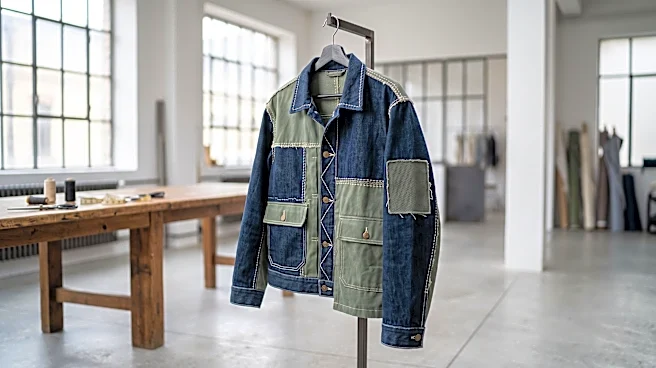
Upcycling is playing a crucial role in sustainable fashion by transforming used garments, fabrics, and other recovered materials into new products of equal or greater value. This process extends the life of existing textiles, reducing the need for new material production
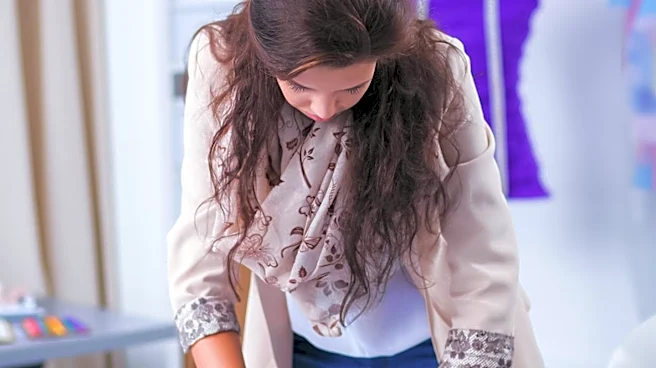
and conserving natural resources. Unlike recycling, which often involves breaking materials down into raw inputs through energy-intensive processes, upcycling preserves and repurposes existing fabrics without deconstruction. The upcycling process typically involves collecting and sorting used clothing, designing new products around the available textiles, preparing the fabrics through cleaning or repair, and finally, sewing them into new items. This approach helps to reduce textile waste and contributes to a circular economy where materials remain in use for longer periods. Companies like Bank & Vogue support circular fashion by recovering, sorting, and supplying secondhand clothing and textiles for resale, reuse, and new manufacturing applications.
Why It's Important?
The growing emphasis on upcycling in the fashion industry is significant for several reasons. It directly addresses the massive issue of textile waste, which sees large quantities of clothing and textiles discarded annually despite their potential for reuse. By conserving natural resources and reducing the demand for newly produced materials, upcycling lessens the environmental footprint of the fashion industry. For fashion brands, upcycled products offer commercial opportunities, allowing them to create distinctive, limited-edition collections that appeal to consumers increasingly interested in sustainability, originality, and the unique stories behind their purchases. This shift also encourages innovation in design and production, as designers must adapt to the characteristics of existing materials. The success of upcycling, however, depends on factors such as material availability, processing costs, production efficiency, and consumer demand, highlighting the complexities of integrating sustainable practices into commercial operations.
What's Next?
The future of upcycling in fashion is likely to see continued growth and integration into mainstream production. As consumer awareness of environmental issues increases, demand for sustainable and ethically produced clothing is expected to rise, further incentivizing brands to adopt upcycling practices. Advancements in material recovery and sorting technologies will likely improve the efficiency and scalability of upcycling processes. Collaborations between textile recovery companies, like Bank & Vogue, and major fashion brands, such as Coach and Converse, are expected to expand, demonstrating how recovered materials can be successfully incorporated into new collections. This trend suggests a move towards more circular business models within the fashion industry, where textile waste is minimized, and materials are kept in circulation for as long as possible, fostering both environmental benefits and new commercial avenues.
Beyond the Headlines
Beyond its immediate environmental and economic benefits, the rise of upcycling in fashion signals a broader cultural shift towards valuing longevity and resourcefulness over constant new consumption. It challenges the traditional linear model of 'take, make, dispose' that has dominated the industry, promoting a more mindful approach to material use. Ethically, upcycling encourages transparency in supply chains and highlights the potential for creativity within constraints, transforming what was once considered waste into valuable resources. This movement could also foster a deeper connection between consumers and their clothing, as items with a history or unique origin story gain appeal. The long-term implications include a potential redefinition of luxury, where craftsmanship and sustainability become as important as brand newness, influencing design education, consumer behavior, and policy-making around waste management and resource allocation in the fashion sector.