






What's Happening?
Many individuals, particularly those with arthritis or previous injuries, report increased joint stiffness and discomfort during colder months. This phenomenon is attributed to several factors: cold temperatures can make muscles, tendons, and soft tissues
less flexible, requiring more effort for movement. Changes in barometric pressure, often preceding cold or stormy weather, may also affect tissues around joints. Additionally, the body's natural response to cold reduces blood flow to extremities, contributing to stiffness in hands, feet, and other areas. Reduced physical activity during winter, as people spend more time indoors, further exacerbates stiffness because joints rely on regular movement to circulate lubricating synovial fluid and maintain muscle strength.
Why It's Important?
The impact of cold weather on joint health is significant for a substantial portion of the U.S. population, particularly older adults and those with chronic conditions like arthritis. Increased stiffness and discomfort can lead to reduced mobility, decreased quality of life, and a higher risk of falls. This can place a greater demand on healthcare services, including physical therapy and pain management. Understanding these physiological responses and behavioral changes is crucial for developing effective public health strategies and personal care routines. Promoting consistent movement, proper warming techniques, and maintaining strength can empower individuals to mitigate these effects, thereby reducing potential injuries and improving overall well-being during winter.
What's Next?
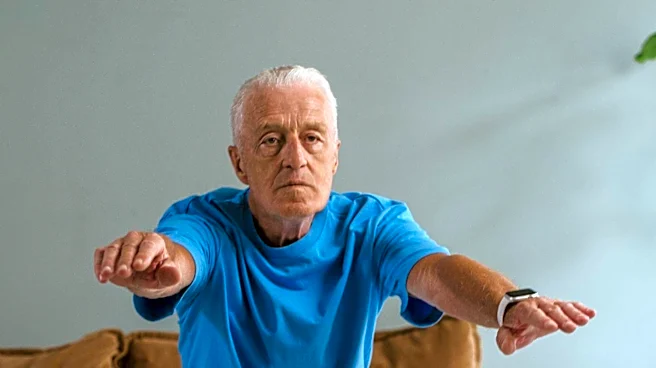
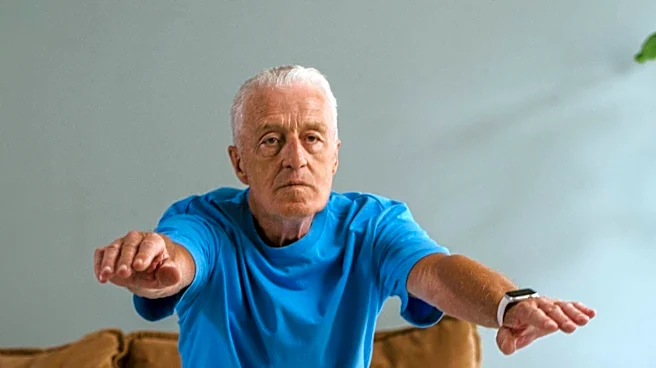
Healthcare providers and physical therapists are increasingly emphasizing preventive and adaptive strategies for winter joint health. Recommendations include dressing in layers to stay warm, using heating pads, and engaging in regular, gentle movement such as indoor walking, stationary biking, or swimming. Warming up before any activity is crucial to prepare muscles and joints. Physical therapy can offer individualized treatment plans, including hands-on techniques, strengthening exercises, and home exercise programs to maintain consistency. Continued public education on these practices will be vital to help individuals manage their joint health effectively throughout the colder seasons and avoid the progression of stiffness into more debilitating conditions.
Beyond the Headlines
The connection between weather and physical discomfort, particularly joint stiffness, highlights the intricate relationship between the human body and its environment. While not directly damaging, cold weather acts as a catalyst for existing vulnerabilities, such as arthritis or old injuries. This underscores the importance of a holistic approach to health that considers environmental factors alongside individual physiological conditions. The phenomenon also touches upon the psychological aspect, as the perception of pain can be influenced by seasonal changes and reduced activity. Recognizing these subtle yet impactful interactions can lead to more comprehensive wellness programs that address both the physical symptoms and the behavioral and psychological adaptations needed to thrive in varying climates.