



What's Happening?
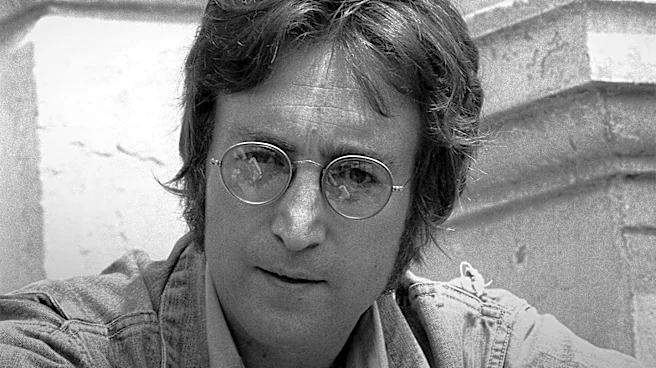
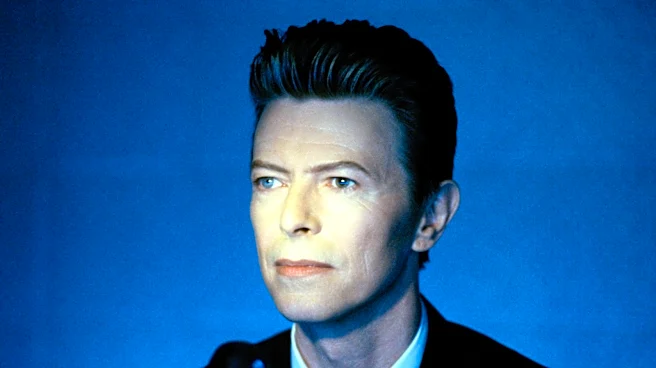
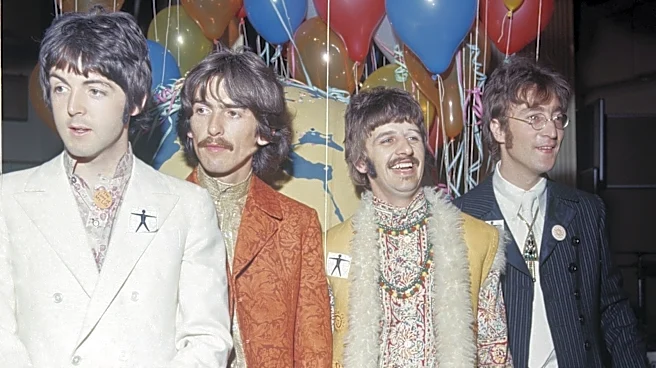
David Bowie revealed in an interview from the 1980s that he nearly formed a supergroup with former Beatles John Lennon and Paul McCartney in 1974. This occurred during Bowie's move to New York City, where he met Lennon at a party hosted by Elizabeth Taylor.
Bowie, who considered Lennon a major influence, quickly bonded with him. One night, Lennon visited Bowie at the Pierre Hotel, where Bowie was lodging, bringing McCartney with him. Bowie described Lennon as being in the midst of his 'Lost Weekend' period, a separation from Yoko Ono. The three musicians spent the evening discussing the possibility of forming a trio, with a proposed name like 'David Bowie and the Beatles' or 'DBB'. Bowie believed this was potentially the first time Lennon and McCartney had been together since the Beatles' breakup, noting a 'strange thing' and 'a little bit of distance' between them. However, the idea ultimately did not materialize beyond that night's discussion.
Why It's Important?
This revelation offers a unique glimpse into a pivotal moment in music history, showcasing a potential collaboration that could have significantly altered the trajectory of rock music. The formation of a supergroup involving three of the most influential artists of their time—David Bowie, John Lennon, and Paul McCartney—would have been an unprecedented event. Such a project could have produced groundbreaking music, blending Bowie's innovative artistry with the songwriting prowess of Lennon and McCartney. The story highlights the dynamic and often spontaneous nature of creative partnerships in the 1970s music scene. It also underscores the enduring impact and individual magnetism of the Beatles members, even years after their split, as well as Bowie's status as a peer among these legends. The 'what if' scenario of this collaboration continues to fascinate fans and historians, illustrating the immense creative energy present during that era.
What's Next?
While the supergroup never formed, Bowie and Lennon did collaborate shortly after this encounter. They worked together on Bowie's 1975 album 'Young Americans,' recording a cover of Lennon's 1968 song 'Across the Universe' and co-writing 'Fame.' 'Fame' became Bowie's first number-one song in America. This collaboration demonstrates that despite the larger supergroup idea not coming to fruition, the creative connection between Bowie and Lennon was strong and led to significant musical output. Lennon also collaborated with other musicians during this period, including Frank Zappa and Elton John, indicating his openness to new musical partnerships. The story serves as a historical anecdote, providing context to the individual projects and collaborations that followed for these artists.
Beyond the Headlines
The story delves into the personal and professional dynamics between musical icons, revealing the human element behind their legendary status. Bowie's account of Lennon's 'Lost Weekend' and the unexpected appearance with McCartney offers a rare, intimate look at their lives outside the public eye. The narrative touches upon themes of artistic influence, with Bowie openly acknowledging Lennon as a major inspiration. It also subtly highlights the role of personal circumstances, such as Lennon's separation from Yoko Ono, in shaping creative decisions and interactions. The idea of a 'David Bowie and the Beatles' trio, even if a fleeting thought, speaks to the immense cultural weight and recognition associated with these names. This anecdote enriches the understanding of the complex relationships and creative ferment that characterized the music industry in the 1970s, showcasing how personal connections could almost lead to monumental artistic endeavors.