







What's Happening?
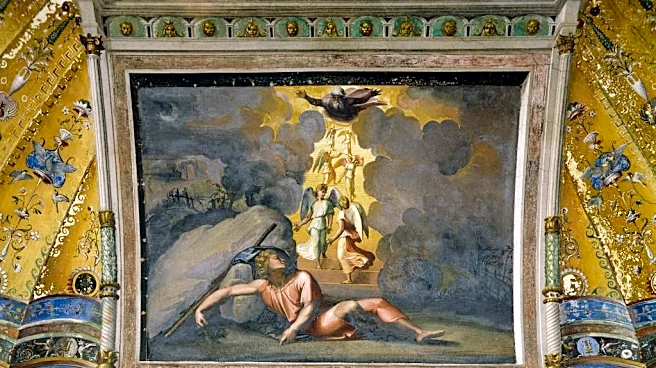
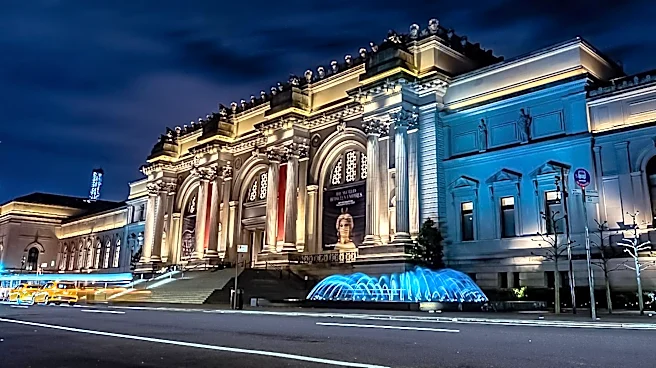
The Metropolitan Museum of Art in New York is concluding its highly ambitious exhibition, 'Raphael: Sublime Poetry,' after a successful three-month run. This exhibition, which required significant effort and collaboration, involved loans from approximately
60 public institutions. The exhibition offered a comprehensive view of Raphael's work, showcasing the evolution of his artistic ideals. According to Artnet's national art critic, Ben Davis, the exhibition provided a unique opportunity to witness the transformation of Raphael's ideal of beauty. The exhibition's closure marks the end of a significant cultural event, as it is unlikely that a Raphael show of this magnitude will be attempted again for decades.
Why It's Important?
The closure of the Raphael exhibition at the Met is significant for the art world and cultural institutions. It highlights the challenges and rewards of organizing large-scale exhibitions that require international cooperation and resource sharing. Such exhibitions not only draw public interest and increase museum attendance but also foster cultural exchange and appreciation of historical art. The exhibition's success underscores the Met's role as a leading institution in the art world, capable of curating and hosting major international exhibitions. It also reflects the enduring appeal of classical art and its relevance in contemporary society.
What's Next?
With the conclusion of the Raphael exhibition, the Metropolitan Museum of Art may focus on future exhibitions that continue to draw public interest and maintain its status as a premier cultural institution. The success of this exhibition could encourage other museums to pursue similarly ambitious projects, potentially leading to more collaborative efforts in the art world. Additionally, the exhibition's closure may prompt discussions about the preservation and accessibility of classical art, as well as the role of museums in promoting cultural heritage.