





What's Happening?
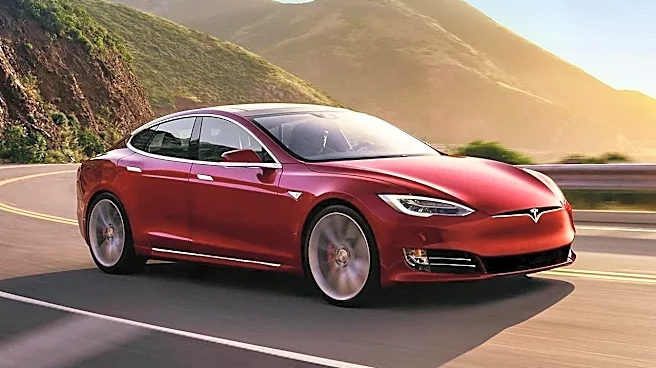
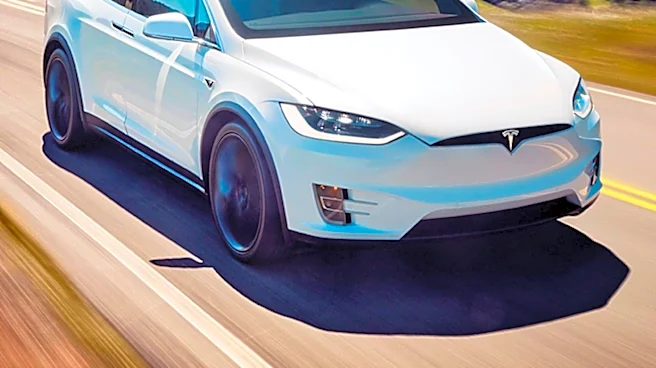
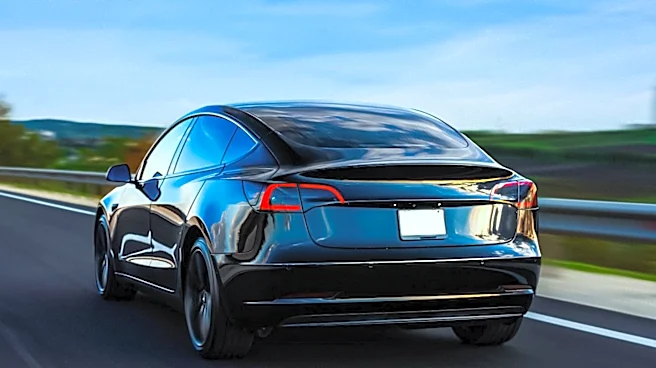
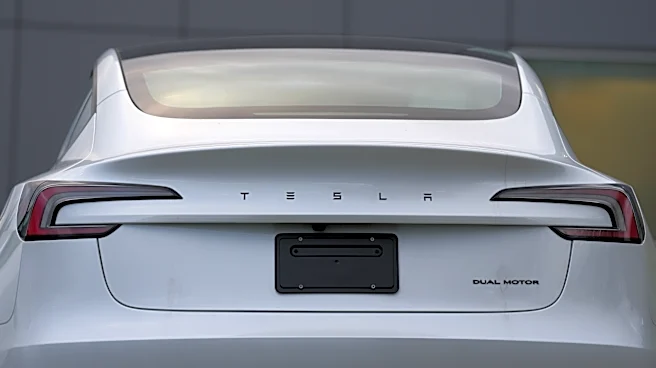
Tesla is advancing its Robotaxi service, expanding into seven U.S. metropolitan regions, including Orlando and Tampa, as announced during its second-quarter earnings call. The service, which began in June 2025, has reached nearly 2.5 million paid miles,
with over 380,000 unsupervised miles driven across six cities. Despite the expansion, Tesla CEO Elon Musk emphasized safety as a critical factor, noting that any injury could lead to regulatory clampdowns. The company has reported zero notable incidents in unsupervised miles, although some crashes have occurred under human supervision. Tesla's Robotaxi service is part of its broader autonomous ride-hailing platform, which aims to scale while ensuring safety.
Why It's Important?
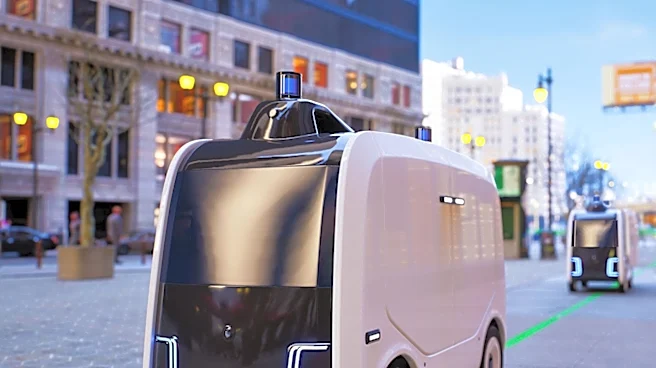
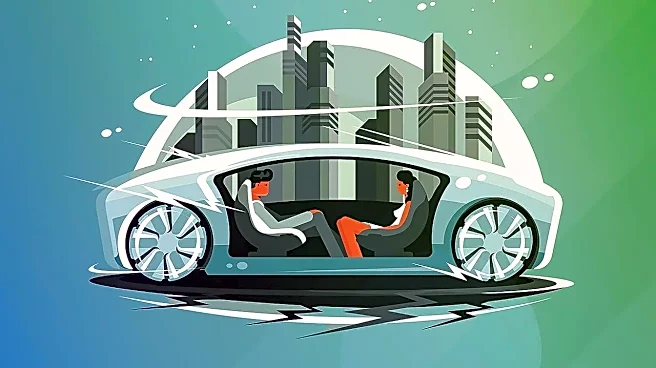
The expansion of Tesla's Robotaxi service is significant for the autonomous vehicle industry, highlighting the company's commitment to scaling its ride-hailing platform. The focus on safety underscores the challenges faced by companies in deploying autonomous technologies, where public perception and regulatory approval are crucial. Tesla's progress in unsupervised miles and the absence of notable incidents could bolster confidence in its AI approach, potentially influencing regulatory frameworks and public acceptance. The expansion into new cities also suggests a growing market for autonomous ride-hailing services, which could impact urban transportation dynamics and reduce reliance on traditional vehicles.
What's Next?
Tesla plans to continue expanding its Robotaxi service, targeting additional cities like Phoenix and Las Vegas. The company aims to increase unsupervised mileage growth rates, which have already seen double-digit increases. As Tesla scales its service, it will likely face increased scrutiny from regulators and competition from other autonomous vehicle companies like Waymo. The success of Tesla's Robotaxi service could pave the way for broader adoption of autonomous ride-hailing, influencing urban planning and transportation policies. Stakeholders, including city officials and transportation agencies, may need to adapt to the changing landscape of urban mobility.