






What's Happening?
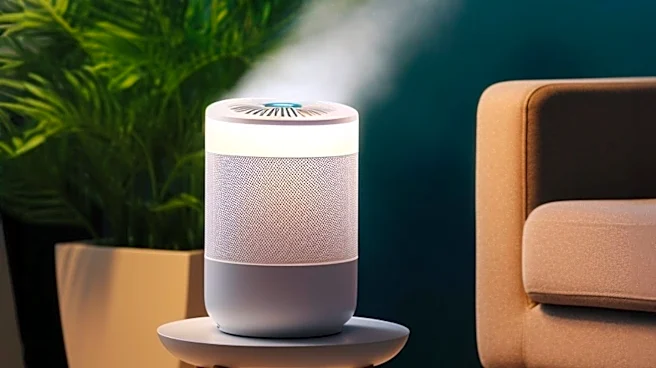
WellStat has announced the expansion of its connected indoor air quality ecosystem, introducing WellStat Air Lite, the next-generation WellStat Air Plus, and the WellStat Mobile App. This expansion comes as organizations increasingly prioritize healthy
buildings, indoor environmental quality, and operational efficiency. The new offerings aim to provide enhanced monitoring and actionable insights into indoor environmental conditions for both residential and commercial settings. WellStat Air Lite is designed for professional indoor air quality monitoring in residential and light commercial environments, helping identify conditions that may affect occupant comfort, building performance, and issues like excessive humidity or mold risk. WellStat Air Plus offers enterprise-ready monitoring with advanced capabilities for commercial buildings and global portfolios, providing operators with greater visibility into environmental conditions and data for informed operational decisions. The WellStat Mobile App offers instant access to live indoor air quality conditions, historical trends, and portfolio visibility, enabling building teams to access actionable intelligence from anywhere. This integrated ecosystem connects environmental data with broader building performance systems, allowing for optimization of systems, improved efficiency, and enhanced occupant experience.
Why It's Important?
The expansion of WellStat's indoor air quality ecosystem is significant for the U.S. as it addresses a critical public health and economic concern. Americans spend approximately 90% of their lives indoors, where air can be 2 to 5 times more polluted than outdoor air, according to the U.S. EPA. This highlights the urgent need for better understanding and management of indoor environments. Recent wildfire smoke events have further underscored how quickly external conditions can impact indoor spaces, even far from the source, making robust indoor air quality monitoring essential. For businesses and commercial real estate owners, improved indoor air quality can lead to healthier and more productive occupants, reduced operational costs through optimized systems, and enhanced asset value. The ability to turn real-time environmental data into actionable insights allows for proactive management of building performance, preventing issues like mold and improving energy efficiency. This development supports a growing trend towards 'healthy buildings,' which can attract and retain tenants, improve employee well-being, and contribute to a more sustainable built environment across the nation.
What's Next?
WellStat's expanded ecosystem is poised to enable organizations to make more informed decisions regarding their indoor environments. The integration of environmental data with energy management and other building performance data within a single platform will allow for better identification of opportunities to optimize systems and improve efficiency. David Brown, CEO of WellStat, emphasized that the value lies not just in knowing what's happening inside a building but in using that data to make better decisions for healthier environments, more efficient operations, and stronger-performing assets. This suggests a future where building management becomes more data-driven and proactive, moving beyond reactive maintenance. The accessibility of real-time data through the WellStat Mobile App will empower building operators and teams to respond quickly to changing conditions. As the emphasis on healthy buildings continues to grow, WellStat's offerings are likely to see increased adoption, potentially setting new standards for indoor environmental quality across various sectors in the U.S.
Beyond the Headlines
Beyond the immediate benefits of healthier indoor spaces and operational efficiency, WellStat's expanded ecosystem touches upon deeper societal and economic implications. The increased focus on indoor air quality reflects a growing public awareness and demand for healthier living and working conditions, potentially influencing real estate markets and building design standards. This trend could lead to a competitive advantage for properties that prioritize and transparently report on their indoor environmental quality, driving innovation in building technologies. Ethically, providing accessible environmental data empowers individuals to make informed choices about the spaces they occupy, fostering a greater sense of control over their personal well-being. The integration of such systems also contributes to the broader smart building movement, where interconnected technologies optimize various aspects of building performance. This shift could redefine what constitutes a 'quality' indoor environment, moving it from a luxury to an expected standard, and potentially influencing regulatory frameworks for public and private spaces.