







What's Happening?
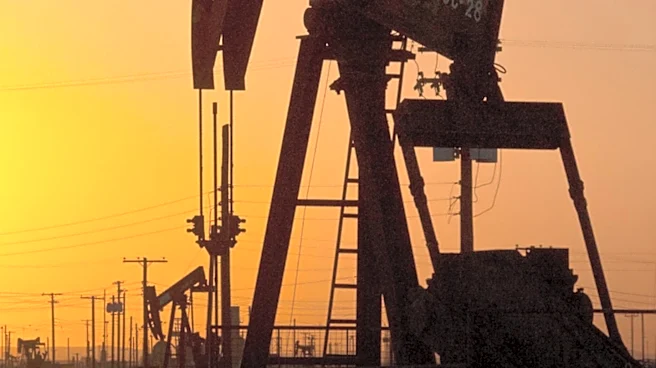
November soybeans have reached contract highs due to strong domestic biofuel demand, geopolitical tensions affecting supply, and recent Chinese purchases. The conflict in the Strait of Hormuz has driven up crude oil prices, making biomass-based diesel
more profitable. Additionally, geopolitical turmoil and weather concerns have restricted global grain transportation, adding a war-risk premium to agricultural commodities. Commercial traders are aggressively buying soybeans to meet demand, while managed money remains cautious, holding near equal longs and shorts.
Why It's Important?
The rally in soybean prices reflects the complex interplay of energy markets, geopolitical tensions, and agricultural demand. As biofuel demand increases, soybeans become a critical component in renewable energy production, impacting both agricultural and energy sectors. The geopolitical factors influencing supply chains highlight the vulnerability of global trade to regional conflicts. The divergence between commercial traders and managed money suggests differing market expectations, which could lead to volatility in soybean prices.
What's Next?
A potential seasonal sell-off could occur if market conditions change, such as improved weather or geopolitical resolutions. Traders will need to monitor crop size projections and managed money positions to anticipate price movements. The ongoing geopolitical tensions and biofuel demand will continue to influence soybean markets, with potential impacts on related industries. Stakeholders should remain vigilant to adjust their strategies in response to evolving market dynamics.