


What's Happening?
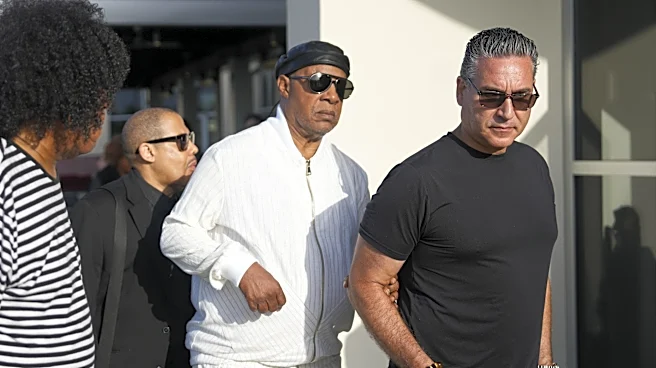
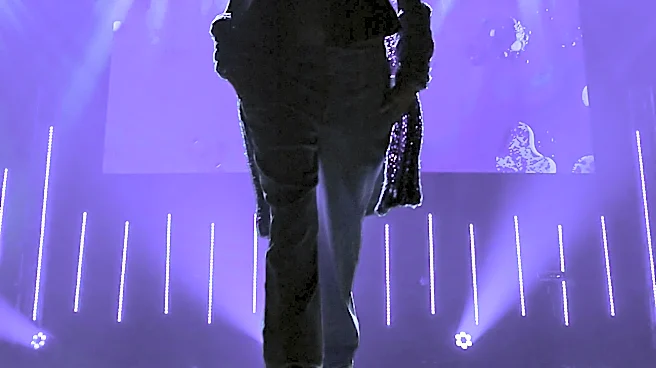
Music icon Stevie Wonder has humorously addressed persistent conspiracy theories questioning his blindness. During a recent concert in Chicago, Wonder invited skeptics to join him in a car to see if he could drive, a playful challenge to those who believe
he can actually see. Wonder has been blind since shortly after his premature birth due to retinopathy of prematurity (ROP), a condition where blood vessels in his eyes did not fully develop. Despite this, theories have circulated for years, fueled by anecdotes such as former NBA player Shaquille O'Neal's story of Wonder recognizing him in an elevator, and a viral clip of Wonder seemingly preventing a microphone from falling at Reverend Jesse Jackson's funeral. Wonder attributes such instances to his heightened other senses, allowing him to perceive events quickly. He previously spoke about his blindness during a UK tour, emphasizing that it has allowed him to 'see the world in the vision of truth' and perceive people by their spirit rather than their physical appearance.
Why It's Important?
This public address by Stevie Wonder is significant as it directly confronts a long-running cultural phenomenon: celebrity conspiracy theories. While seemingly innocuous, such theories can sometimes detract from an artist's legacy and personal narrative. Wonder's response, delivered with wit and grace, serves to reclaim his story and reinforce the reality of his condition, which has profoundly shaped his unique musical genius. For the public, it highlights the often-unfounded nature of online speculation and encourages a more critical approach to information. For Wonder's fans, it offers a moment of clarity and connection, reaffirming his authenticity and resilience in the face of baseless rumors. The incident also underscores the power of humor as a tool for managing public perception and dispelling misinformation, particularly for public figures navigating the complexities of fame and scrutiny.
What's Next?
While Wonder's humorous challenge is unlikely to completely eradicate the conspiracy theories, it is expected to significantly diminish their traction among mainstream audiences. His direct and lighthearted approach provides a definitive, albeit playful, answer to a question that has lingered for decades. Future discussions about Wonder's blindness will likely reference this recent statement, solidifying his narrative. The incident may also prompt broader conversations about the nature of celebrity, public perception, and the spread of misinformation in the digital age. It is improbable that Wonder will need to address this topic again with such directness, as his response has been widely reported and well-received, effectively putting the matter to rest for many.
Beyond the Headlines
The enduring nature of the Stevie Wonder blindness conspiracy theory speaks to a broader societal fascination with hidden truths and the skepticism that can surround public figures. It touches upon the psychological phenomenon where people seek alternative explanations, even for well-established facts, often fueled by a desire for a more 'interesting' or 'secret' reality. This particular theory also highlights the extraordinary capabilities of individuals with sensory impairments, as Wonder's heightened other senses are often misinterpreted as evidence of sight. His ability to navigate the world and perform at an elite level, despite his blindness, challenges conventional perceptions of disability and underscores the remarkable adaptability of the human body and mind. The humor in his response also serves as a masterclass in managing public scrutiny, turning a potentially sensitive topic into an opportunity for engagement and connection with his audience.