



What's Happening?
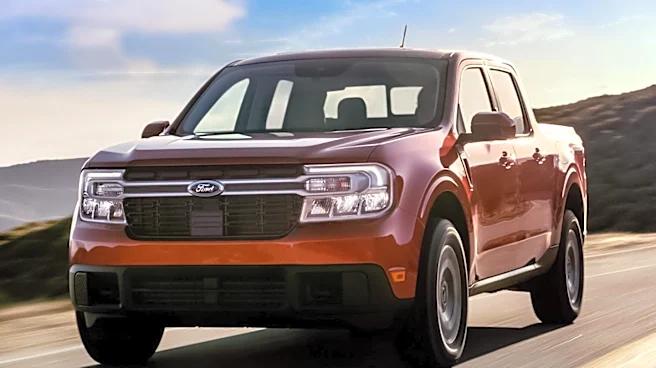
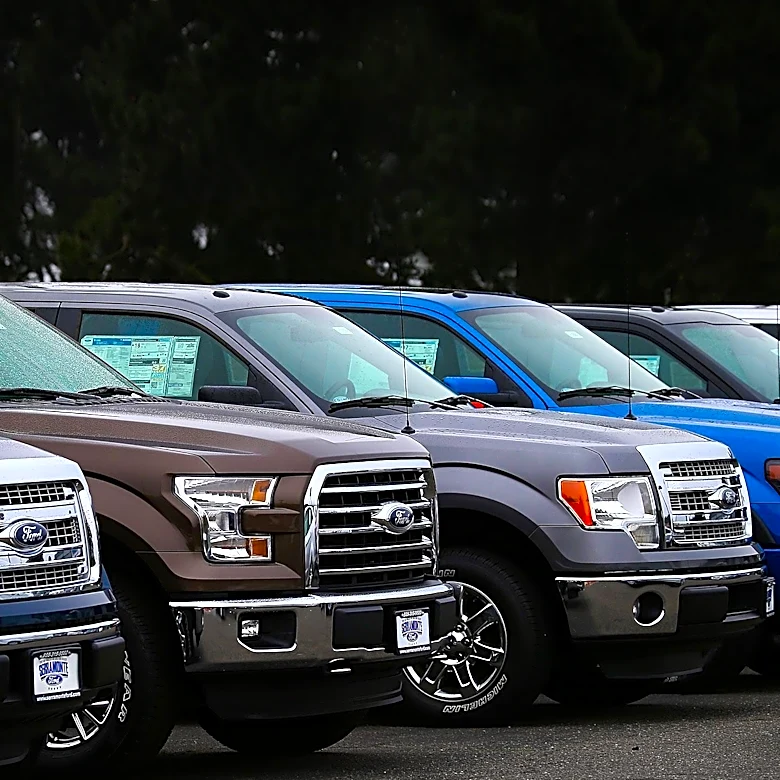
Ford Motor Company announced a 10.2% decline in its U.S. vehicle sales for July, which the company describes as a strategic move. According to Rob Kaffl, Ford's director of U.S. sales, the decline was anticipated as part of a deliberate strategy to phase
out certain models and reduce low-margin rental fleet sales. The company has been focusing on retail sales of its F-Series pickup trucks, following production recovery efforts after two fires at a major aluminum supplier. Ford's decision to sunset models like the Ford Escape and Lincoln Corsair is intended to make way for new product introductions by the end of the decade.
Why It's Important?
Ford's strategic sales decline highlights a shift in the automotive industry towards more profitable sales channels and product innovation. By reducing reliance on rental fleet sales, which are typically less profitable, Ford aims to enhance its financial performance and market position. This move could influence other automakers to reassess their sales strategies, focusing on high-margin products and innovation. The emphasis on new product introductions suggests a competitive push towards advanced vehicle technologies and models, potentially impacting consumer choices and market dynamics.
What's Next?
Ford plans to continue its focus on retail sales and new product launches, which may include advancements in electric and autonomous vehicle technologies. The company's strategy could lead to increased competition in the automotive market, prompting other manufacturers to innovate and adapt. Stakeholders, including investors and industry analysts, will likely monitor Ford's upcoming product releases and sales performance closely to assess the effectiveness of its strategic shift.