







What's Happening?
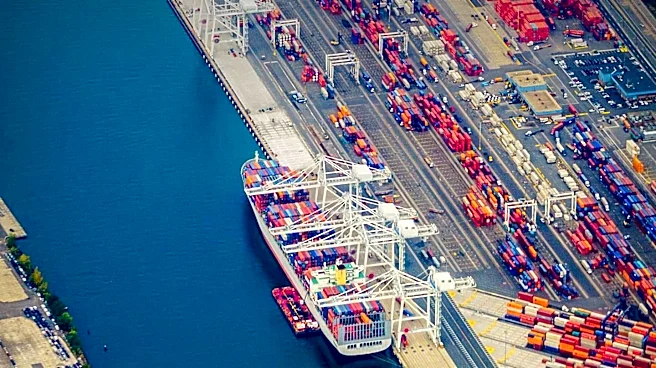
The U.S. Army Corps of Engineers Galveston District and Port Freeport have completed a significant milestone in the Freeport Harbor Channel Improvement Project. A ribbon-cutting ceremony was held on July 28, 2026, to mark the completion of the project,
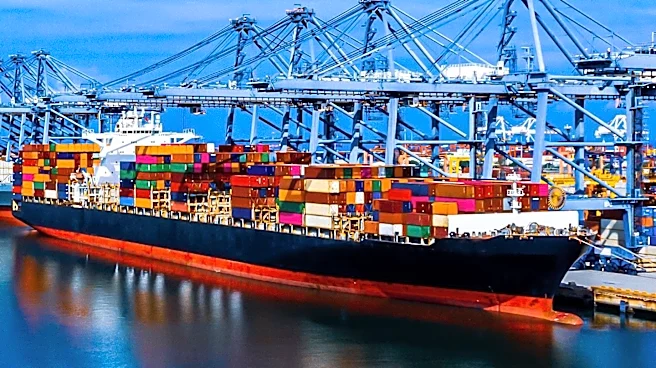
which deepens and partially widens the harbor channel. This enhancement is expected to improve access for larger global vessels, reduce navigation constraints, and strengthen the movement of various cargo types, including energy products, vehicles, and agricultural commodities. The project involved key figures such as U.S. Representative Randy Weber and Phyllis Saathoff, Executive Director/CEO of Port Freeport. The improvements are part of a broader initiative to enhance Texas ports' capabilities, supporting American energy, manufacturing, and international commerce.
Why It's Important?
The completion of the Freeport Harbor Channel Improvement Project is a critical development for U.S. trade and commerce. By allowing larger vessels to access Port Freeport, the project enhances the port's competitiveness and operational flexibility. This is significant for the U.S. economy as it supports the movement of essential goods and commodities, thereby strengthening supply chains. The project also aligns with national infrastructure goals, promoting economic resilience and public safety. Stakeholders, including businesses reliant on efficient port operations, stand to benefit from reduced shipping times and costs, potentially leading to increased economic activity and job creation in the region.
What's Next?
Following the completion of the channel improvement, Port Freeport is poised to pursue new opportunities and accommodate a wider range of global vessels. This could lead to increased trade volumes and further economic development in the region. The project sets a precedent for future infrastructure enhancements at other U.S. ports, potentially influencing policy decisions and funding allocations for similar projects. Stakeholders, including government agencies and private sector partners, may continue to collaborate on initiatives that enhance port capabilities and support national economic objectives.