






What's Happening?
Nestlé Pakistan and the University of Agriculture Faisalabad (UAF) have formalized a Memorandum of Understanding (MoU) to enhance collaboration in sustainable agriculture, food science, nutrition, applied research, and workforce development. This partnership
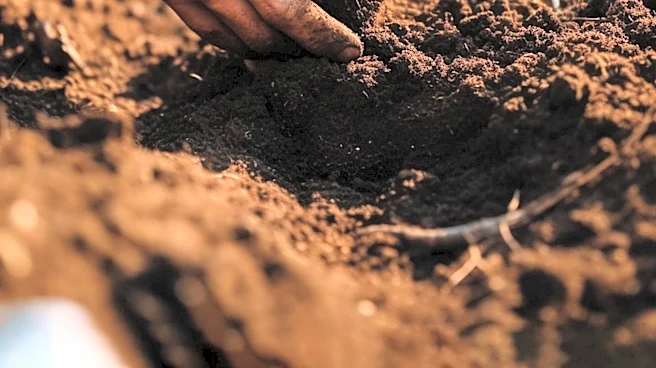
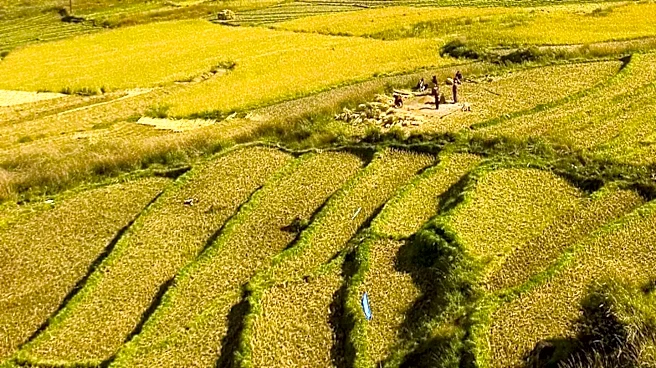
supports Nestlé's global ambition to achieve net-zero greenhouse gas emissions by 2050 by advancing regenerative agriculture across its value chain. The MoU was signed during a visit by Jason Avanceña, CEO and Managing Director of Nestlé Pakistan, to UAF, which also marked the establishment of the Nestlé Learning Resource Center (NLRC) at the National Institute of Food Science and Technology (NIFSAT), UAF. Nestlé Pakistan has already introduced regenerative agriculture practices on over 125 farms in Punjab, covering maize, alfalfa, oats, sorghum, and wheat, aiming to improve soil health, water efficiency, biodiversity, and climate resilience.
Why It's Important?
This collaboration is significant for several reasons. It strengthens industry-academia linkages, which are crucial for translating research into practical solutions for real-world challenges in agriculture and food systems. For Nestlé, it accelerates its commitment to environmental sustainability and its net-zero emissions goal, aligning with UN Sustainable Development Goals (SDGs) 13 (Climate Action), 15 (Life on Land), and 17 (Partnerships for the Goals). The establishment of the Nestlé Learning Resource Center will foster knowledge sharing, research collaboration, and leadership development, creating opportunities for students and researchers to gain practical exposure. This initiative contributes to more resilient farming systems, creating long-term value for farmers, communities, and the environment. For U.S. companies with global supply chains, this model highlights the importance of local partnerships in achieving sustainability targets and enhancing agricultural practices worldwide, potentially influencing similar collaborations in other regions.
What's Next?
The partnership between Nestlé Pakistan and UAF is expected to lead to increased research and development in regenerative agriculture and food science. The Nestlé Learning Resource Center will likely become a hub for innovation, facilitating joint projects and training programs for students and farmers. Nestlé Pakistan will continue to expand the adoption of regenerative agriculture practices across more farms, aiming to further improve environmental outcomes and support farming communities. The success of this collaboration could serve as a blueprint for other multinational corporations seeking to implement sustainable practices in their global operations. Future initiatives may include developing new sustainable food products, optimizing resource use in agriculture, and creating educational programs to disseminate knowledge about regenerative farming techniques.
Beyond the Headlines
Beyond the immediate benefits of sustainable agriculture, this partnership underscores a broader shift in corporate responsibility towards environmental stewardship and community engagement. By investing in regenerative agriculture, Nestlé is not only addressing climate change but also contributing to food security and the economic well-being of farming communities. The collaboration with UAF highlights the critical role of academic institutions in driving innovation and providing the scientific foundation for sustainable practices. This model of shared value creation, where industry expertise meets academic research, can lead to systemic changes in food production and consumption patterns. It also reflects a growing consumer demand for ethically sourced and environmentally friendly products, pushing companies to integrate sustainability into their core business strategies and supply chains globally.