






What's Happening?
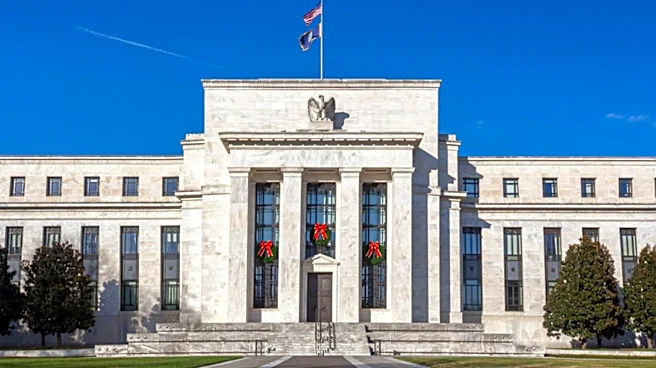
The Federal Reserve Board has announced a proposal to modernize the regulatory framework for mutual banking organizations. These institutions, which are owned by depositors rather than shareholders, have not seen an update to their governing rules since
1993. The proposal aims to simplify and reduce the complexity of existing regulations, which have been deemed overly burdensome. The changes are intended to provide mutual banks with greater flexibility in raising capital and to clarify which financial instruments qualify as regulatory capital. This initiative is part of a broader effort by the Federal Reserve to update the bank regulatory framework and support the growth and diversity of the U.S. banking system.
Why It's Important?
The proposed modernization of mutual banking rules is significant as it seeks to enhance the operational efficiency and competitiveness of mutual banks, which play a crucial role in the U.S. financial system. By reducing regulatory burdens, the proposal could enable these institutions to better serve their communities and contribute to economic growth. The changes may also encourage more mutual banks to enter the market, thereby increasing competition and offering consumers more choices. This initiative reflects the Federal Reserve's commitment to maintaining a diverse and resilient banking sector, which is essential for financial stability and economic prosperity.
What's Next?
The Federal Reserve has opened a 60-day public comment period for stakeholders to provide feedback on the proposed changes. During this time, mutual banks, industry groups, and other interested parties are expected to review the proposal and submit their comments. The feedback will be considered by the Federal Reserve before finalizing the new rules. If implemented, the updated regulations could lead to significant changes in how mutual banks operate and interact with the broader financial system. The outcome of this process will be closely watched by industry participants and policymakers, as it could set a precedent for future regulatory reforms.