




What's Happening?
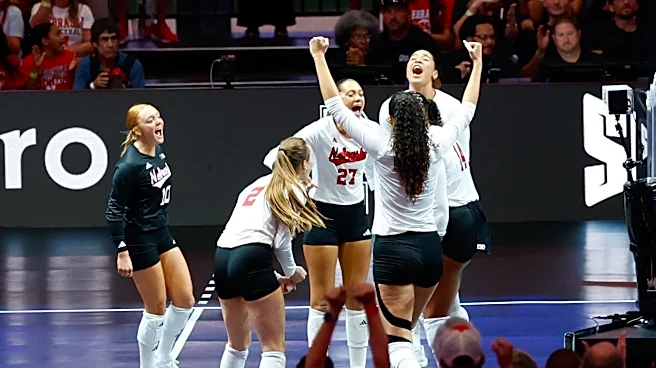
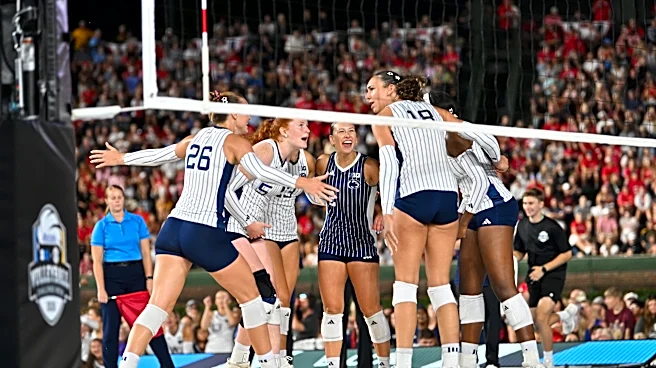
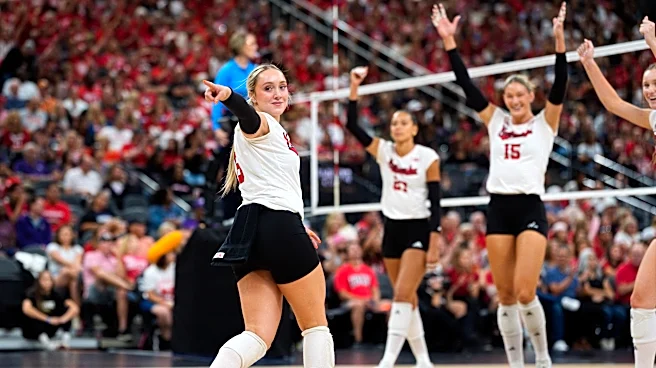
A college volleyball match held at Wrigley Field, part of the inaugural Big Ten/SEC Volleyball Challenge, experienced significant disruptions and ultimately a suspension due to weather conditions and the inherent limitations of playing an indoor sport
in a baseball stadium. The event, which drew over 43,000 fans, featured Penn State against Kentucky, followed by No. 1 Nebraska Cornhuskers against Missouri. While the spectacle was initially praised for its unique setting and large attendance, humidity caused the court to become slippery, leading to unsafe playing conditions for the athletes. Despite efforts to dry the court, the Nebraska-Missouri match was suspended before the first set concluded. Kentucky won its match against Penn State 3-1 before the conditions worsened. The Big Ten has confirmed that the suspended match will not be rescheduled at Wrigley Field this season due to stadium availability issues, with discussions ongoing about potentially restarting it at a campus or another neutral venue like Chicago’s Wintrust Arena.
Why It's Important?
This event highlights the growing popularity and commercial appeal of women's college volleyball, demonstrated by the record attendance at Wrigley Field and previous events like Nebraska's 'Volleyball Day' which drew over 92,000 fans. The attempt to host such a high-profile match in an unconventional venue underscores a broader trend in college sports to create unique fan experiences and expand the sport's reach. However, the suspension due to safety concerns also brings to light the critical importance of venue suitability and athlete well-being. While innovative events can generate significant buzz and revenue, they must prioritize player safety and optimal playing conditions. The challenges faced at Wrigley Field could influence future decisions regarding non-traditional venues for indoor sports, prompting organizers to conduct more thorough assessments of environmental factors and facility adaptations required to ensure fair and safe competition.
What's Next?
The immediate next step involves determining the fate of the suspended Nebraska-Missouri match. The Big Ten has ruled out rescheduling at Wrigley Field this season, leaving open the possibility of playing it on a college campus or at an alternative indoor venue such as Chicago's Wintrust Arena. This decision will impact the teams' schedules and potentially their standings as they prepare for deep postseason runs. Looking ahead, organizers of similar high-profile events in non-traditional settings will likely face increased scrutiny regarding venue selection and contingency planning. There may be a greater emphasis on ensuring ADA compliance and adequate facilities for all attendees, including media, as highlighted by a reporter's difficulties navigating Wrigley Field on crutches. The incident could lead to a re-evaluation of the feasibility and safety protocols for hosting indoor sports outdoors, potentially favoring purpose-built or more adaptable venues for future large-scale events.
Beyond the Headlines
The Wrigley Field volleyball event, despite its logistical challenges, symbolizes a significant cultural shift in the perception and valuation of women's sports. The massive turnout demonstrates a strong and growing fan base for women's college volleyball, challenging traditional narratives about sports viewership and commercial viability. This momentum could lead to increased investment in the sport, better facilities, and more opportunities for female athletes. However, the incident also raises ethical considerations about balancing spectacle with athlete welfare. The desire to create 'cool' and 'unique' experiences must not overshadow the fundamental need for safe and equitable playing conditions. It prompts a deeper conversation about how sports organizations can innovate while upholding their responsibility to athletes, ensuring that the pursuit of entertainment and revenue does not compromise the integrity of the competition or the health of its participants. This event serves as a case study for the evolving landscape of sports marketing and event management.