


What's Happening?
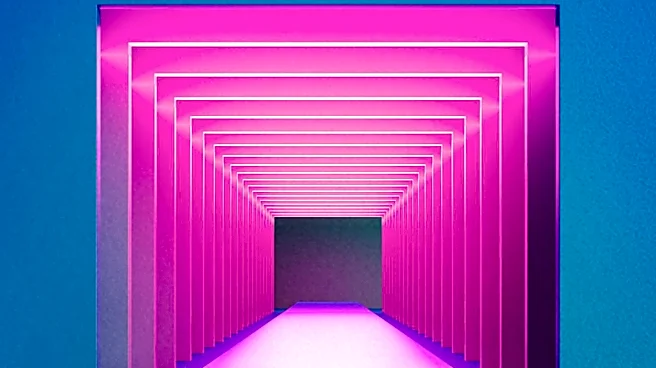
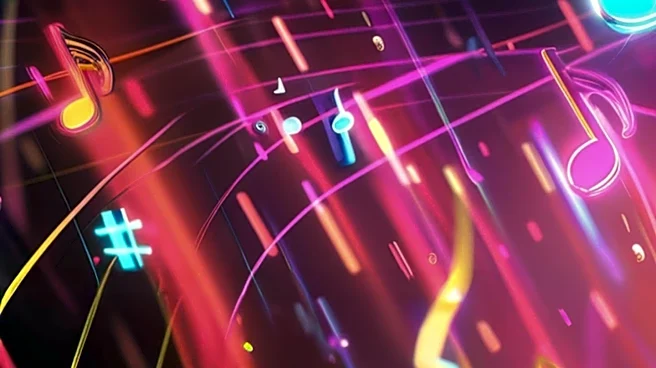
Vaporwave-inspired nostalgic interiors are gaining traction, characterized by elements such as retro TVs, neon lights, and vintage aesthetics. This trend is evident in various creative contexts, including photo editing prompts and graphic tees. The aesthetic blends
nostalgic and modern design elements, creating a unique visual experience. For instance, graphic tees feature surreal stacks of retro TVs with neon eyes and melting slime, catering to fans of vaporwave, synthwave, and weirdcore streetwear. In digital art, prompts for AI image generation often incorporate vaporwave elements like 'vaporwave marble, pink cyan, glitch sun' to achieve specific visual styles. This indicates a growing interest in integrating the vaporwave aesthetic into both physical and digital creative expressions, highlighting its versatility and appeal across different mediums.
Why It's Important?
The resurgence and integration of vaporwave aesthetics into interior design and digital art signify a broader cultural trend towards nostalgia and a reinterpretation of past eras through a modern lens. This movement impacts industries ranging from fashion and home decor to digital media and AI art generation. For businesses, understanding and incorporating such aesthetics can tap into a significant consumer base that values unique, retro-futuristic designs. The use of vaporwave in AI prompts also highlights the evolving relationship between human creativity and artificial intelligence, where specific aesthetic keywords can guide AI in generating desired visual outcomes. This trend can influence product development, marketing strategies, and artistic expression, demonstrating how niche subcultures can permeate mainstream design and technology.
What's Next?
The continued evolution of vaporwave aesthetics suggests further integration into various commercial and artistic fields. We can anticipate more products, from furniture to digital interfaces, adopting these visual cues. The use of vaporwave in AI art generation is likely to expand, with more sophisticated prompts and tools allowing for even more nuanced and complex creations. Designers and artists may explore new ways to combine vaporwave with other emerging aesthetics, leading to hybrid styles. Additionally, the influence of vaporwave could extend to experiential design, such as themed cafes or immersive digital environments, offering consumers unique nostalgic experiences. The trend's longevity will depend on its ability to adapt and remain relevant in a rapidly changing cultural landscape.
Beyond the Headlines
The embrace of vaporwave aesthetics goes beyond mere visual preference; it reflects a deeper cultural commentary on consumerism, technology, and the passage of time. The aesthetic often evokes a sense of melancholic nostalgia for a future that never quite arrived, or a past idealized through a digital filter. This can resonate with individuals seeking an escape from contemporary anxieties or a connection to simpler, albeit imagined, times. Ethically, the appropriation of past cultural elements raises questions about originality and the recontextualization of historical design. Legally, as AI-generated art becomes more prevalent, the ownership and copyright of works created using specific aesthetic prompts, like 'vaporwave marble,' may become a complex issue. Culturally, vaporwave serves as a reminder of how digital tools can reshape our perception and interaction with history and art.