




What's Happening?
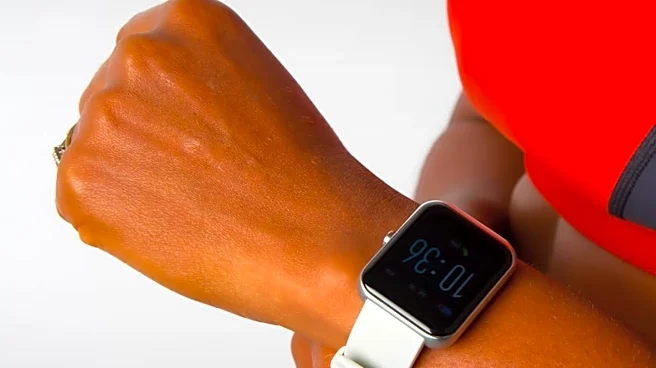
Google has collaborated with The Pokémon Company to release a Special Edition Pokémon Sleep variant of the new Fitbit Air model. This launch coincides with the Pokémon franchise’s 30th anniversary. The special edition Fitbit Air features a 'Sleepy Blue'
strap adorned with a custom silk print of a sleeping Pikachu and the Pokémon Sleep logo. This wearable device is designed to integrate real-world rest with in-game progress in the Pokémon Sleep app. It syncs overnight sleep and daytime naps directly with the Pokémon Sleep app via Health Connect on Android or Apple Health on iOS. The device tracks sleep duration and uses the Google Health Sleep Score to enhance Snorlax’s strength, which in turn attracts wild Pokémon with matching sleep types and reveals rare sleep styles, expanding the user's Sleep Style Dex. Preorders for the Special Edition Fitbit Air are open at the Google Store and Target, with shipping scheduled for September 15. Each purchase includes a three-month trial of Google Health Premium, offering access to light and deep sleep stage tracking and personalized trend analysis from the Google Health Coach.
Why It's Important?
This collaboration between Google and The Pokémon Company signifies a growing trend in integrating health and fitness tracking with popular entertainment franchises. For the U.S. market, this product could appeal to a broad demographic, including long-time Pokémon fans and individuals interested in gamified health solutions. The integration of sleep data directly into a popular mobile game like Pokémon Sleep could motivate users to improve their sleep habits by offering tangible in-game rewards. This approach could lead to increased engagement with health tracking devices, particularly among younger audiences or those who find traditional health apps less engaging. From a business perspective, this partnership allows Google to expand Fitbit's market reach by tapping into the massive Pokémon fan base, potentially boosting sales and subscriptions for Google Health Premium. It also highlights the potential for cross-industry collaborations to create innovative products that blend technology, health, and entertainment, setting a precedent for future developments in the wearable tech sector.
What's Next?
Following the September 15 shipping date, the market will observe the adoption rate and user engagement with the Special Edition Fitbit Air. Google and The Pokémon Company will likely monitor feedback to assess the success of this integrated health and gaming model. Future developments could include additional Pokémon-themed wearables or collaborations with other popular franchises, depending on the performance of this initial offering. The success of this product could also influence other tech companies to explore similar gamified health solutions, potentially leading to a new wave of entertainment-driven fitness trackers. Furthermore, the data collected from users' sleep patterns and engagement with the Pokémon Sleep app could provide valuable insights for both health research and game development, potentially leading to more personalized and effective health interventions or more immersive gaming experiences.
Beyond the Headlines
The Special Edition Fitbit Air Pokémon Sleep venture delves into the psychological aspects of motivation and habit formation. By transforming a routine health activity like sleep tracking into an engaging game, the product leverages principles of gamification to encourage healthier behaviors. This approach could have broader implications for public health initiatives, suggesting that integrating health goals with enjoyable, reward-based systems can be more effective than traditional methods. Ethically, the collection and use of personal health data, even within a gamified context, will remain a critical consideration, particularly regarding privacy and data security. The partnership also underscores the evolving nature of intellectual property and brand extension, where beloved characters like Pikachu are increasingly used to promote products beyond their original entertainment medium, blurring the lines between digital entertainment and real-world health management. This trend could reshape how consumers interact with both their health data and their favorite fictional worlds.