






What's Happening?
The landscape of retirement planning is undergoing a significant transformation, moving beyond mere wealth preservation to actively generating income. This shift is driven by increasing longevity and rising living costs, which necessitate a more proactive
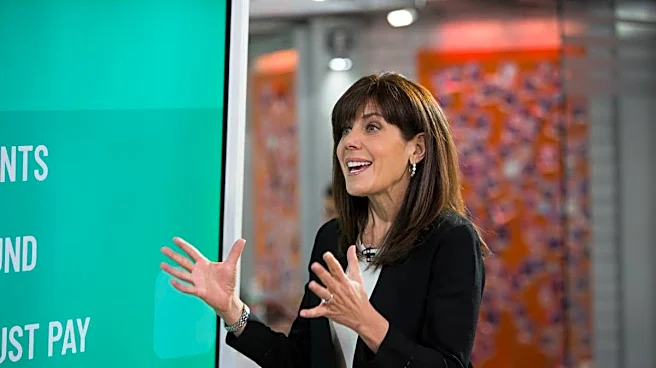
approach to financial security in post-employment years. According to Personal Finance columnist and CEO of HerMoney, Jean Chatzky, a substantial majority of Gen-Xers, Boomers, and Millennials—84% of Gen-Xers and nearly as many from the other generations—express concern or fear about the cessation of regular paychecks in retirement. Chatzky, in collaboration with AARP, has authored 'The Forever Paycheck: The new retirement strategy to spend more, worry less and never run out of money,' which outlines various strategies for retirees to create a continuous income stream. These strategies include purchasing annuities, investing in dividend-paying stocks, or laddering treasuries to ensure ongoing financial inflow. The core idea is to structure finances so that retirees feel comfortable spending their money, knowing that a steady income will continue, rather than being hesitant to draw from a lump sum of assets.
Why It's Important?
This evolving perspective on retirement income is crucial for the financial well-being of millions of Americans. The traditional model of accumulating a large sum and then drawing it down is proving insufficient for many, leading to anxiety about outliving savings. The emphasis on generating a 'forever paycheck' addresses this by providing methods to create predictable income streams, which can significantly enhance retirees' confidence and quality of life. Research cited by Chatzky indicates that individuals with a steady income stream in retirement, such as a pension, tend to spend twice as much as those with the same amount of money held as a lump sum in a retirement account. This suggests that the psychological assurance of ongoing income encourages spending and enjoyment of retirement, rather than hoarding assets out of fear. For the U.S. economy, a more confident and spending retiree population could contribute to sustained consumer demand, while for individuals, it means a more secure and fulfilling retirement experience, reducing the burden on social safety nets.
What's Next?
As awareness of this new retirement strategy grows, financial advisors and institutions are likely to increasingly focus on income-generating products and services. Individuals approaching retirement will be encouraged to undergo 'pre-retirement checkups' by age 50 to assess their readiness and implement income-focused strategies. The financial industry may see a rise in demand for annuities, dividend-focused investment portfolios, and other structured income solutions. Educational initiatives, similar to Chatzky's book in collaboration with AARP, will become more prevalent to guide individuals through these complex financial decisions. Furthermore, there may be a continued shift in how retirement plans are structured, moving further away from traditional Defined Benefit plans towards Defined Contribution plans that place more responsibility on individuals to manage their income generation. This will necessitate greater financial literacy and access to expert advice for the general public.
Beyond the Headlines
The shift towards a 'forever paycheck' model in retirement planning has deeper implications for societal attitudes towards aging and wealth. It challenges the conventional notion of retirement as a period of drawing down accumulated wealth, instead promoting a more dynamic and continuous financial engagement. This could lead to a redefinition of 'retirement' itself, potentially encouraging more flexible work arrangements or entrepreneurial ventures in later life to supplement income streams. Ethically, it raises questions about equitable access to financial planning resources and sophisticated investment products, as not all individuals may have the means or knowledge to implement these strategies effectively. The long-term societal impact could be a more financially resilient elderly population, but also a greater divide between those who can successfully navigate these new strategies and those who cannot, potentially exacerbating wealth inequality in retirement.