







What's Happening?
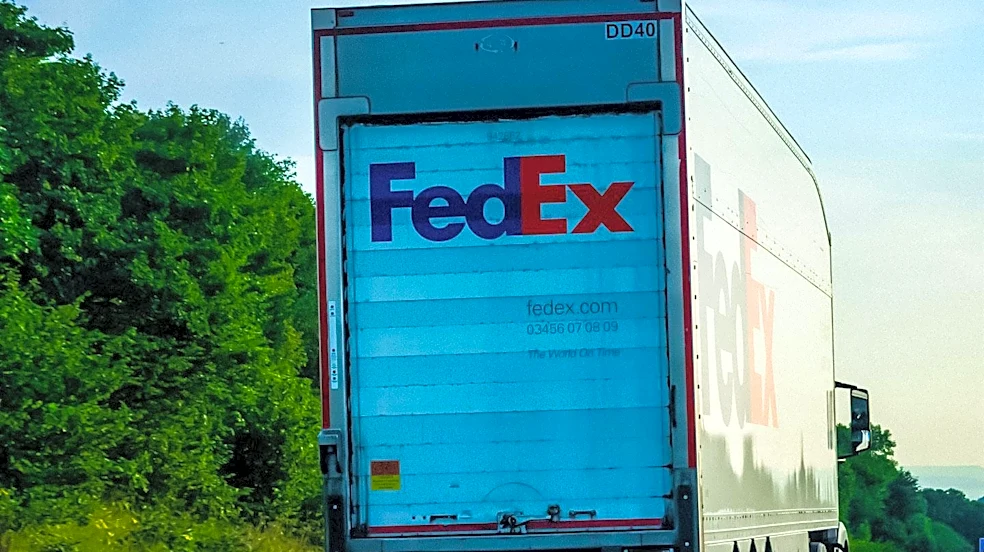
FedEx Express is currently offering seasonal courier positions in Los Angeles, California. These roles involve driving and operating company vehicles to deliver and pick up packages at customer locations. The commitment for these seasonal positions is up to 12
weeks. Essential functions include providing courteous and efficient delivery and pickup services, checking shipments for conformance to FedEx service features, and performing related customer service tasks. Couriers will drive vehicles not regulated by section 391 of the Federal Motor Carrier Safety Regulations. Applicants must be at least 21 years old, possess good human relations and communication skills, and be able to lift 50 lbs, maneuvering heavier packages with appropriate equipment or assistance. A high school diploma or GED is required, but no prior experience is necessary. The position is non-covered safety-sensitive and requires a neat appearance due to customer contact. Successful candidates must maintain a constant state of alertness and work safely, holding a license for the type of vehicle assigned. Upon completion of the seasonal assignment, employees may be offered a permanent position.
Why It's Important?
These seasonal courier positions are important for several reasons. For individuals seeking temporary employment, especially during peak shipping seasons, they offer a direct pathway into the logistics industry with a major global player like FedEx. The opportunity for seasonal employees to transition into permanent roles provides a valuable career entry point and potential long-term stability. For FedEx, these roles are crucial for managing increased package volumes, ensuring timely deliveries, and maintaining customer service standards, particularly during periods of high demand. The company's ability to scale its workforce efficiently directly impacts its operational effectiveness and market competitiveness. Furthermore, by hiring locally, FedEx contributes to the Los Angeles economy by creating jobs and providing income opportunities for residents, which can have a ripple effect on local businesses and consumer spending. The emphasis on safety and customer service also reinforces industry standards for package delivery.
What's Next?
Individuals interested in the seasonal courier positions can apply through the FedEx careers portal. Successful applicants will undergo a hiring process that includes verifying age, driving qualifications, and the ability to meet physical demands. Once hired, seasonal couriers will receive training on FedEx's delivery protocols, safety procedures, and customer interaction standards. As the 12-week commitment approaches its end, performance evaluations will likely determine which seasonal employees are offered permanent positions. FedEx will continue to monitor its staffing needs in Los Angeles and other regions, potentially opening more seasonal or permanent roles based on operational demands and market conditions. The company will also continue to ensure compliance with federal employment laws, including those related to equal opportunity, pay transparency, and disability accommodations, throughout its hiring and employment processes.
Beyond the Headlines
The availability of seasonal courier jobs at FedEx highlights broader trends in the e-commerce and logistics sectors. The increasing reliance on online shopping drives a continuous demand for efficient package delivery services, necessitating flexible staffing models like seasonal hiring. This approach allows companies to manage fluctuating demand without committing to permanent overhead during slower periods. However, it also raises questions about job security and benefits for seasonal workers, even with the potential for permanent conversion. The logistics industry often faces challenges in recruiting and retaining drivers, making these entry-level courier positions critical for talent pipeline development. Furthermore, the emphasis on safety and efficiency in these roles underscores the complex operational challenges of managing a vast delivery network, where each package represents a customer expectation and a logistical puzzle piece. The role of technology in optimizing delivery routes and managing package flow also implicitly supports the efficiency of these courier positions.