




What's Happening?
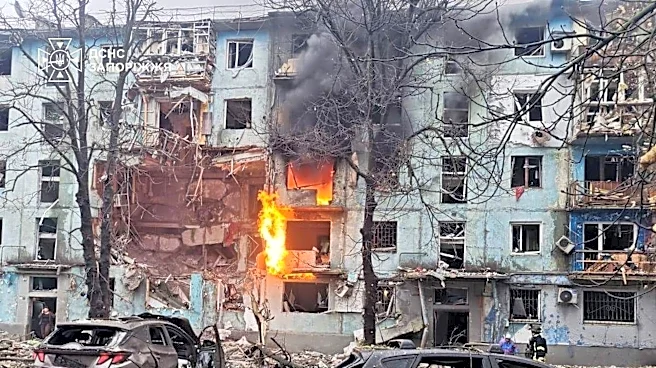
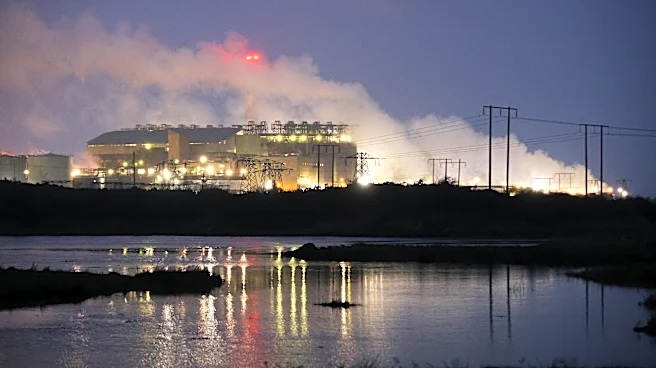
Russia's economy expanded by 1% in the third quarter, a slowdown from 1.3% in the previous quarter, as the war in Ukraine continues to exert significant strain. Drone strikes on critical infrastructure, including oil refineries, have led to an 18% annual
drop in refining volumes and impacted mining and wholesale trade. This, combined with accelerated inflation, moderated wage gains, and rising input costs, has cooled consumer demand. Despite these challenges, defense spending has been boosted again, with manufacturing tied to state orders continuing to grow. The central bank has warned that drone strikes are eroding productive capacity across multiple sectors, and the budget deficit is widening, with the distance between war-linked production and the civilian economy increasing.
Why It's Important?
The deceleration of Russia's economic growth, coupled with the impact of drone strikes and widening fiscal gaps, indicates a deepening economic crisis that could undermine its long-term stability. The erosion of productive capacity due to attacks on infrastructure directly affects key industries and export capabilities, reducing revenue streams. The widening disparity between military-driven manufacturing and the struggling civilian economy suggests a misallocation of resources that could lead to a decline in living standards and increased social discontent. High inflation and rising borrowing rates further burden businesses and consumers, potentially leading to a prolonged period of economic stagnation. This situation highlights the significant and growing economic costs Russia is incurring due to the war.
What's Next?
The Russian economy is expected to face continued pressure from the war, sanctions, and internal challenges. The central bank is likely to maintain a tight monetary policy to combat persistent inflation, which will keep borrowing costs high and further constrain economic activity. The government will need to address the widening budget deficit, potentially through further spending cuts or revenue-generating measures, which could impact public services and social programs. The vulnerability of critical infrastructure to drone strikes will remain a key concern, requiring significant investment in defense and repair. The long-term outlook suggests a challenging period for Russia, with its economy increasingly shaped by the demands of the war and the need to adapt to external pressures.
Beyond the Headlines
The growing divergence between Russia's war economy and its civilian sectors raises fundamental questions about the sustainability of its current trajectory. The focus on military production, while boosting certain industries, comes at the expense of broader economic development and diversification. This could lead to a 'hollowing out' of the civilian economy, making it less resilient and more susceptible to external shocks. The ethical implications of prioritizing military spending over the welfare of the general population, particularly in the face of rising inflation and declining consumer demand, are significant. This economic model could also foster corruption and inefficiency, as resources are channeled through state-controlled enterprises with less transparency. The long-term societal impact, including potential brain drain and reduced quality of life, could be profound.