



What's Happening?
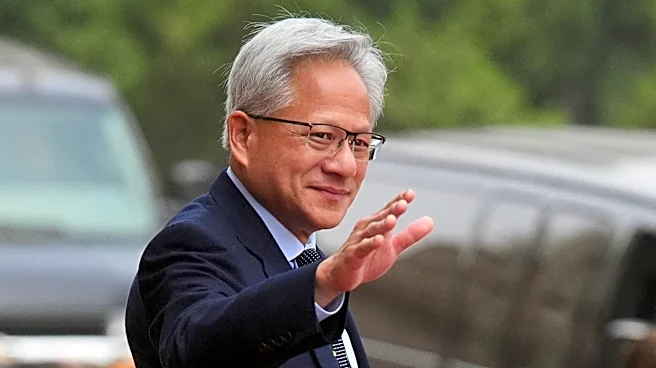
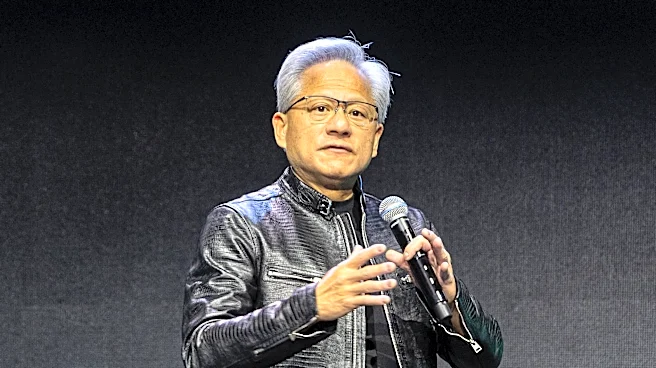
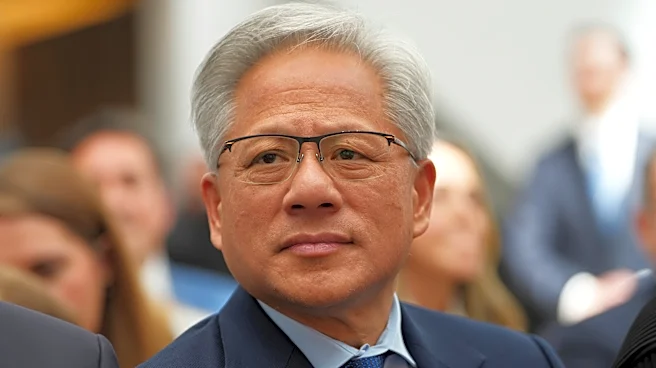
Nvidia's board reinstated Jensen Huang as CEO, a decision that added $1 trillion to the chipmaker's market capitalization. This move followed significant pressure, including a 40% drop in the company's stock and calls from investors and employees for
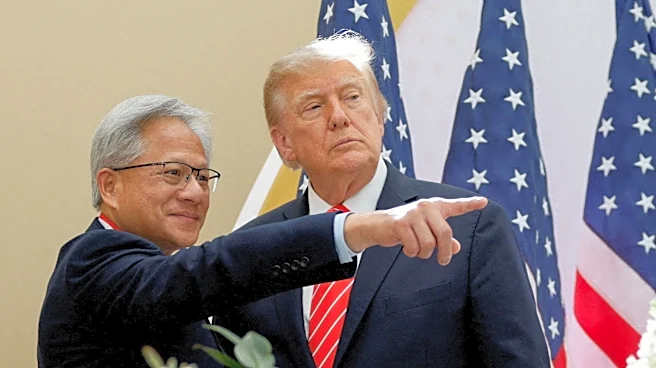
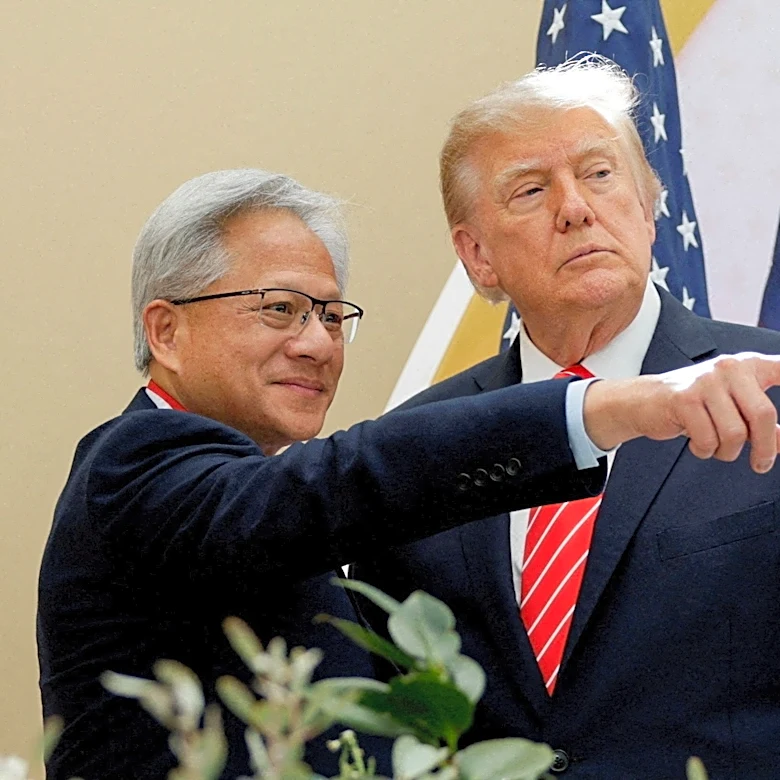
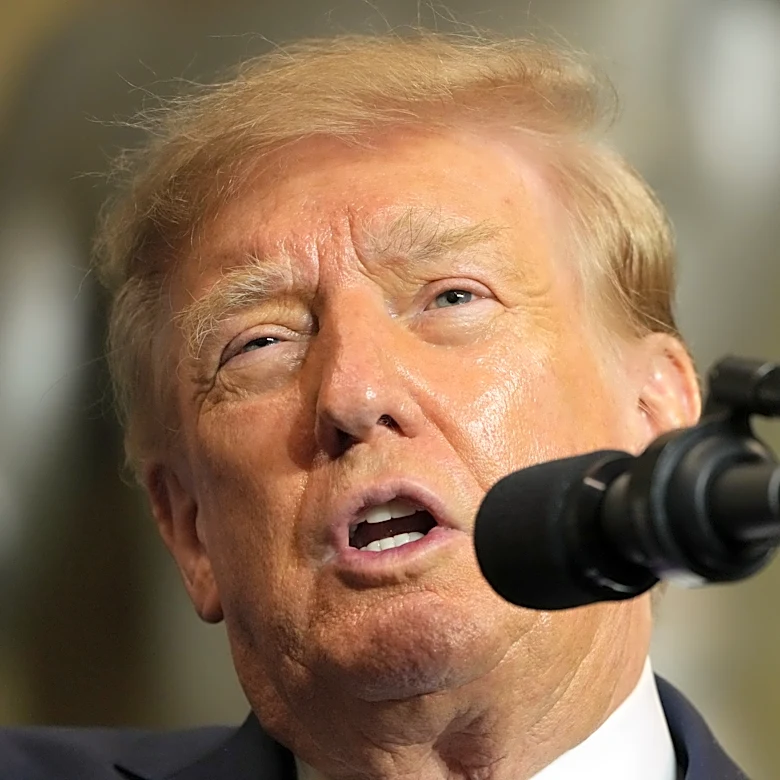
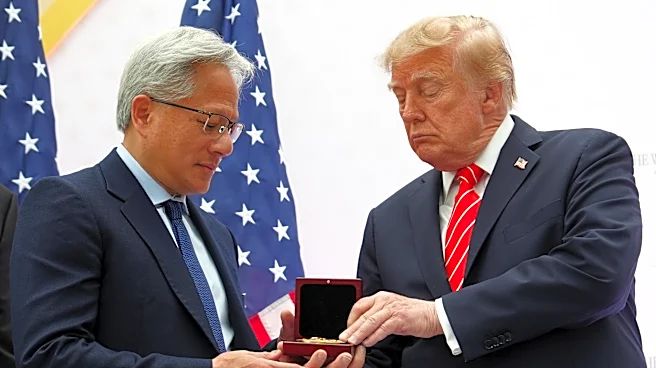
Huang's return. Crucially, the company's announcement cited 'input from senior levels of the United States government' as reassurance that Huang's return posed no national security risk. Semafor reported that President Donald Trump directly intervened by calling into Nvidia's board meeting to advocate for Huang's reinstatement. President Trump had also publicly supported Huang's return, stating it would be 'the best thing for the Company, and also, for the USA.' This intervention is seen as one of the most extraordinary White House involvements in corporate America.
Why It's Important?
The reinstatement of Jensen Huang, heavily influenced by presidential intervention, raises profound questions about corporate governance and the extent of presidential power over private enterprise. This event signals a potential shift where the leadership of major corporations, especially those with significant market influence, can become a matter of national strategic importance, subject to direct governmental input. Traditionally, U.S. business leaders have opposed government meddling, but this instance saw a significant White House intervention that was met with approval by some investors. The situation highlights a potential weakening of corporate checks and balances and succession planning, as the board's decision was heavily swayed by external political pressure rather than solely internal corporate considerations. This could set a precedent for future administrations to exert similar influence over critical industries.
What's Next?
The direct involvement of President Trump in Nvidia's CEO decision is likely to spark ongoing debate about the boundaries between government and corporate autonomy. This event may prompt increased scrutiny from lawmakers and corporate governance advocates regarding the role of political influence in private sector leadership decisions. Future governments might interpret this as a precedent, potentially leading to more 'state capitalism' where the White House plays a direct role in corporate appointments for companies deemed nationally critical. The business community will likely grapple with the implications of this intervention, considering how it might affect investor confidence, corporate independence, and the decision-making processes of boards in the long term. The focus will also be on how Nvidia navigates its operations under Huang's renewed leadership amidst continued government and public scrutiny.
Beyond the Headlines
This incident underscores a significant evolution in the relationship between the U.S. government and major corporations, particularly in strategic sectors like technology. It suggests a new era where the 'imperial CEO' might find their position reinforced by presidential backing, potentially at the expense of traditional shareholder and board oversight. The event also highlights the increasing intertwining of national security concerns with corporate leadership, especially for companies at the forefront of critical technologies like AI. This could lead to a re-evaluation of corporate governance frameworks, potentially pushing for clearer guidelines on how companies should respond to governmental pressure in leadership decisions. The long-term implication could be a more politicized corporate landscape, where the 'last word' on a CEO's tenure might ultimately rest with the White House, fundamentally altering the dynamics of corporate power in America.