


What's Happening?
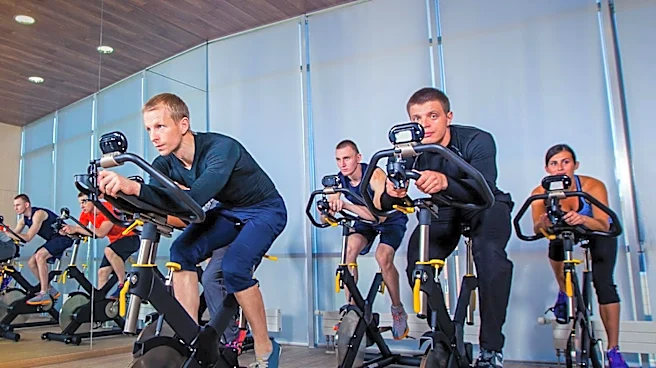
A recent study conducted by Rockefeller University has found that short bursts of intense exercise, specifically six 30-second cycling sprints, can lead to more significant improvements in heart health and biological aging markers compared to longer,
moderate-intensity workouts. Researchers analyzed blood samples from participants before, immediately after, and three hours following two types of exercise: the sprint group and a group that cycled moderately for 90 minutes. The results indicated that the sprint sessions altered nearly a quarter of the proteins measured in the blood, a stark contrast to the less than 0.25% change observed in the moderate cycling group. These changes included over 200 metabolites and increased levels of key proteins associated with blood vessel growth, tissue remodeling, and hormonal signaling. The study, published in Cell Reports Medicine, suggests that even a few minutes of high-intensity exercise can trigger a substantial molecular response in the body.
Why It's Important?
This research is important because it challenges the conventional wisdom that longer exercise durations are always superior for health benefits. For individuals with limited time, the findings offer a compelling argument for incorporating high-intensity interval training (HIIT) or sprint-based workouts into their routines. The study's identification of proteins linked to a lower risk of cardiovascular and metabolic diseases, including type 2 diabetes, and slower biological aging, highlights the profound impact of intense exercise on cellular and systemic health. This could lead to more efficient and time-effective exercise recommendations from health professionals, potentially increasing exercise adherence among the general population. The molecular changes observed suggest a deeper biological mechanism through which intense exercise confers its benefits, impacting processes like blood vessel health and obesity-controlling hormones, ultimately contributing to a more efficient bodily system.
What's Next?
Future research will need to expand on these findings by including a more diverse participant pool, specifically examining how these short, intense workouts affect both sexes and individuals who are not regularly physically active. While the study provides strong evidence for the benefits of sprinting, experts emphasize that it does not negate the importance of longer, moderate-intensity workouts. Instead, it suggests that a combination of both, or the inclusion of short sprints when time is scarce, can be highly beneficial. Individuals looking to incorporate sprinting are advised to start gradually, mixing steady baseline movement with controlled bursts of high effort, and to consult with a certified personal trainer, especially if they have joint concerns. The goal is to reach at least 80% of one's maximum heart rate during sprints, which can be monitored using fitness trackers or by assessing perceived exertion.
Beyond the Headlines
The study's implications extend beyond just exercise routines, touching upon the broader understanding of human physiology and aging. The discovery that intense exercise can influence proteins associated with slower biological aging opens new avenues for research into anti-aging interventions and disease prevention. This molecular-level insight could lead to the development of targeted therapies or personalized exercise prescriptions based on an individual's biological markers. Furthermore, the emphasis on the efficiency of short, intense workouts could shift public perception of exercise, making it seem less daunting and more accessible. This could foster a culture where even busy individuals feel empowered to improve their health through brief, impactful physical activity, potentially leading to a healthier population overall and reducing the burden of chronic diseases.