





What's Happening?
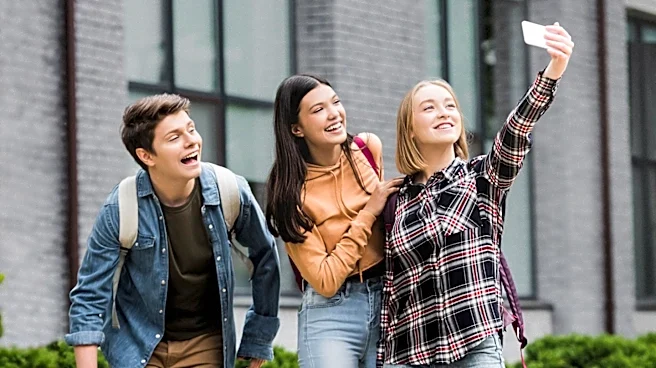
University students across the U.S., including those at the University of Florida, Alabama, and Syracuse, are increasingly participating in 'wellness darties' (daytime parties). This trend involves swapping traditional alcohol-fueled gatherings for activities
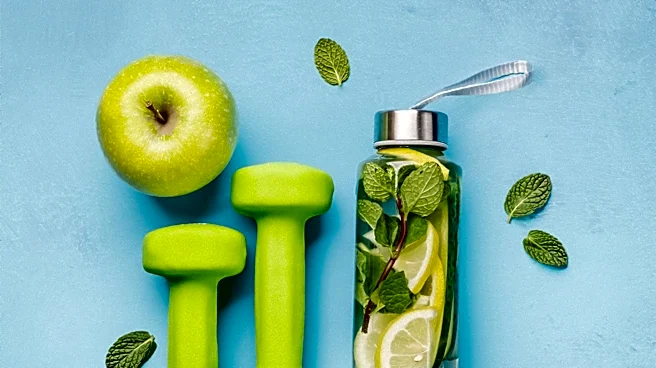
like yoga, Pilates, group runs, cold plunges, and matcha consumption. These events maintain the social energy and communal aspect of conventional parties but offer a reduced likelihood of hangovers. Gen Z is reportedly drinking less alcohol than previous generations, though binge drinking among college students aged 18 to 25 was still reported by approximately 26% in 2024. The wellness darty is seen as a 'remix' of partying, providing an alternative social experience that aligns with a growing interest in health and fitness among younger demographics. Videos circulating from these campuses showcase students engaging in these activities while retaining the festive atmosphere, music, and attire typically associated with college parties.
Why It's Important?
This shift in social behavior among Gen Z on U.S. campuses signifies a broader cultural evolution with potential implications for various industries. The decline in traditional alcohol consumption among this demographic could impact the alcoholic beverage industry, leading to a re-evaluation of marketing strategies and product offerings. Conversely, the wellness industry stands to gain significantly, as demand for fitness classes, healthy food and beverage options like matcha, and wellness-focused experiences like cold plunges increases. This trend also highlights a changing perception of leisure and social interaction, where health and well-being are integrated into recreational activities. Businesses catering to college students, from event organizers to food and beverage providers, may need to adapt to these evolving preferences to remain relevant and capture the attention of this influential consumer group. The emphasis on communal, hangover-free social events could also foster a more health-conscious campus environment.
What's Next?
The 'wellness darty' trend is likely to continue evolving and expanding to more U.S. campuses, potentially influencing event planning and social norms within universities. We may see an increase in university-sponsored or student-led wellness events that incorporate physical activities and healthy alternatives. Businesses in the health and wellness sector could further innovate to cater to this demand, offering specialized products and services tailored for younger consumers. The hospitality industry, particularly those near college towns, might explore partnerships or offerings that align with this wellness-focused social trend. There could also be a continued public discourse regarding generational differences in social habits and the impact of these changes on public health and industry practices. As Gen Z's influence grows, their preferences for social engagement are expected to shape future trends in leisure and entertainment.
Beyond the Headlines
Beyond the immediate shift in social activities, the rise of 'wellness darties' reflects a deeper cultural re-evaluation of pleasure, self-care, and social connection among Gen Z. This generation, having grown up with heightened awareness of mental health and the long-term consequences of unhealthy habits, appears to be seeking more mindful and sustainable forms of enjoyment. The trend also subtly challenges traditional notions of 'partying' as solely synonymous with alcohol consumption, suggesting a desire for authentic social bonds that are not dependent on intoxication. This could lead to a broader societal shift towards valuing experiences that promote well-being and personal growth, rather than just immediate gratification. The integration of physical activity and healthy choices into social events may also contribute to a more holistic approach to lifestyle, where health is not just an individual pursuit but a communal and celebrated aspect of social life.